





Comparing Nohkalikai, Seven Sisters and Dainthlen
Three waterfalls shape the classic Sohra sightseeing circuit in Meghalaya, but they offer very different experiences. Nohkalikai delivers the sheer force of a mountain torrent, Seven Sisters rewards walkers with a chain of separate drops, and Dainthlen brings a compact cascade close to the road. Treating them as interchangeable overlooks the practical differences that determine which one suits a particular visit.
The comparison should cover more than height. Look at the walking involved, the quality of each viewpoint, how dramatically the flow changes after rain, and whether a visitor wants a short stop or a full day outdoors. Weather can alter access within hours, so the most photogenic choice on one day may be closed or unsafe on the next.
For Australian travellers, Cherrapunjee is usually reached through Shillong or Guwahati rather than a direct international flight. Road transfers, monsoon closures and the need for suitable footwear make advance planning important. Staying two nights or longer also allows the waterfalls to be spread across separate days instead of forcing a rushed loop through rain and steep paths.
How the three waterfalls fit together
Geographically, Nohkalikai and the Seven Sisters viewpoints sit in the same upland zone around Nohkalikai village, while Dainthlen lies on the Sohra road system nearer the main settlement. This matters because the first pair need a dedicated walking day and can feel remote; Dainthlen can be slotted into a shorter excursion, ideally with another nearby stop included.
The comparison works best on a map rather than a checklist of superlatives. For wider trip-planning inspiration, independent travel ideas can provide useful context, while local guides and current park advice should determine the final route. The essential question is not which fall is largest, but which combination of effort, scenery and travel time matches your group.
Nohkalikai and the power of falling water
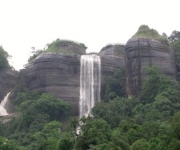
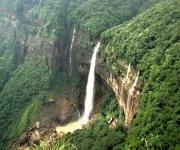
Nohkalikai is often listed at about 1,125 metres, making it one of India’s tallest seasonal waterfalls. It plunges through several rocky stages rather than forming one broad curtain. During peak monsoon, spray can blur the lower drop and the runoff turns brown; when the flow eases, the narrow white ribbon becomes easier to distinguish from the viewpoint.
A sealed road reaches the village, followed by a short but sometimes steep and wet approach to the public viewpoint. Stone steps, uneven edges and congested parking make the last part slower than it looks on a map. Guides can add context about the landscape and identify safer waiting points, especially after heavy rain.
Viewing is possible from designated platforms, but descending into the gorge or swimming below the fall is dangerous. Currents intensify quickly, boulders shift and rockfall is a genuine hazard. The experience is about scale and sound. A good lens and rain protection are more useful than expecting a calm blue cascade.
Seven Sisters and the appeal of the trail
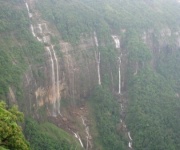
The Seven Sisters is a collective name for a sequence of waterfalls descending along a gorge near Nohkalikai. Paths and platforms reveal several named drops, although most visitors do not need to reach every ledge. From the upper viewpoints, the falls appear separated by rock shelves and vegetation rather than gathered into one uninterrupted wall of water.
This is the most rewarding option for visitors who enjoy walking and multiple photographs. The route involves sustained steps, slippery surfaces and repeated climbs between named viewpoints, and access sections may close after landslides. Strong waterproof footwear matters, while a fitted rain cover protects a camera bag and still leaves both hands free for balance.
The attraction is variety: powerful upper channels, delicate lower strands and a dramatic foreground of wet stone. Nohkalikai is generally the stronger choice for a single dramatic spectacle, while Seven Sisters suits those who value the trail and changing angles. Swimming is not permitted or advisable around the accessible pools.
Dainthlen and the convenient waterfall visit
Dainthlen is the most compact of the three, generally described as roughly 30 to 35 metres high and arranged over multiple short ledges. It lies about five kilometres from central Sohra and is reached along a winding road, with a modest stepped path to the viewing area. This makes it a practical choice for families, older visitors or a stop during a longer drive.
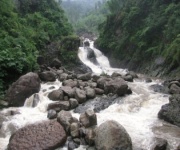
Rain transforms the cascade quickly, producing spray and a louder roar, while the surrounding forest often stays green when larger falls are subdued. The viewpoint can still become slippery, and the river below may rise without warning, so swimming should be avoided. Choose Dainthlen for convenience and a short nature stop, not for the towering scale of the other two.
Choosing the right season
The main rain season generally runs from May to October, with the strongest flows most often in July and August. The best compromise is usually late June through September: the falls have good volume, and occasional dry windows create clear views. October and November can be calmer and less crowded, while winter mornings are cold, misty and occasionally damp.
Rain in Meghalaya is intense and persistent rather than an occasional shower. Local conditions can change by the hour, so keep at least one flexible half-day and avoid exposed walks during thunderstorms. Flash runoff, fallen branches and slippery steps are more realistic concerns than distant lightning alone. Check current waterfall and trail status with local authorities or your operator before setting out.
Australian seasons run in the opposite direction. A January break offers drier, quieter sightseeing but cooler mornings, whereas July school holidays coincide with Meghalaya’s wettest period and busier domestic travel. Pack a light insulated layer, quick-drying clothes, waterproof footwear, insect repellent, a small first-aid kit and dry bags; a compact umbrella is useful in town but awkward on steep paths.
Planning a journey from Australia
Travellers from Sydney, Melbourne or Brisbane normally connect through a major Asian or Indian gateway and then fly to Guwahati or take a limited service to Shillong. The drive from Guwahati to Sohra commonly takes three to five hours on winding roads and can run longer in monsoon traffic. A multi-day Meghalaya package removes awkward transfers and places guests near the falls rather than adding a long return journey to every outing.
Australians already drive on the left, as India does, and use kilometres for road distances, but unfamiliar road signs, mountain bends and local traffic demand full attention. Check whether your passport, travel purpose and intended arrival point qualify for India’s e-Visa, and use the official government portal rather than an unverified intermediary. Carry your passport, approval and supporting documents for the permitted stay. Drone operation in India requires registration and approvals that differ from Australian rules, and many sensitive or restricted sites prohibit flying.
Payment habits also shift. Woolworths and Coles customers are accustomed to cards, contactless payment and reusable shopping bags; in Meghalaya, hotels and larger businesses may accept cards, but markets, taxis and small entry counters can still require Indian rupees. Carry small notes, use reputable bank ATMs and keep a backup payment method. Tipping is not routine in Australia, though modest tips for an excellent local guide are appreciated.
Australian biosecurity rules are strict on arrival home. Clean soil from boots and trekking gear, and declare footwear, fresh plant material, food or other items if asked; even harmless forest debris can breach import rules. Keep your Australian return details and emergency contacts available offline, since mobile coverage can be inconsistent outside Sohra.
Access, safety and local stewardship
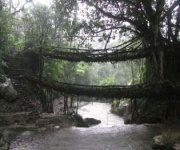
Build the itinerary around the terrain rather than distance. Give Nohkalikai and Seven Sisters most of one day, and accept that trying to reach every viewpoint at peak flow can be unrealistic. Reserve Dainthlen for a shorter visit. Two nights provide a sensible minimum; three or more allow weather delays, caves and the living root bridges near Nongriat without turning the trip into a series of long drives.
Use local guides for less familiar paths, confirm entry fees, and ask about temporary closures before buying an activity. Sacred groves, cave systems and community-managed forest areas may have separate access rules, permits or restrictions. In Khasi communities, ask before photographing people or ceremonies and follow posted instructions without exception.
Keep away from unstable cliff edges, riverbanks and closed paths, and never rely on an unmarked swimming spot. The same rain that creates a spectacular waterfall can turn a safe-looking pool into a powerful current within minutes. This is an outdoor, monsoon-season destination rather than a conventional resort break, so flexible plans and sensible risk management are part of the experience.
Choose Nohkalikai for height and force, Seven Sisters for a walking trail and changing compositions, or Dainthlen for a compact visit with minimal exertion. For most first-time visitors, combining Dainthlen with one dedicated Nohkalikai and Seven Sisters day gives the clearest contrast, while extra nights provide valuable protection from disrupted weather.
To see them for yourself, explore the Cherrapunjee travel guide to compare two- to seven-night stays and request a tailored itinerary from India Beacons Sojourn, including current access advice, transfers and accommodation near Sohra’s main attractions.