





A complete guide to the Seven Sisters Falls trek
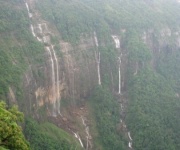
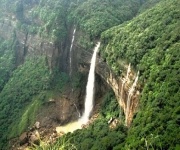
Seven Sisters Falls, also known as Nohsngithiang Falls, is one of the defining sights of Sohra, the destination widely known as Cherrapunji or Cherrapunjee. The waterfall drops in several ribbons over a broad limestone escarpment, creating the impression of seven streams descending side by side. During the monsoon, the cliffs become a dramatic wall of water surrounded by cloud, forest, and intensely green hills.
A visit is often described as a trek, although the standard viewpoint is reached by road followed by a short walk. The more demanding experience involves exploring footpaths around the escarpment and, where local conditions permit, descending toward lower viewpoints or nearby villages. These routes are weather-dependent and should not be treated as a casual walk down to the base.
This guide explains what to expect, how to plan a safe waterfall hike, what to carry, and how to combine the falls with the other natural attractions around Sohra. A sensible itinerary gives you enough time to enjoy the landscape without rushing across slippery paths in heavy rain.
Understanding the waterfall and its setting
The falls are located near Mawsmai village, approximately 1,300 metres above sea level, along the road connecting Sohra with other major attractions. The name refers to the seven visible channels that appear when the flow is strong. From the main viewing area, the water plunges over a high cliff before disappearing into the forested valley below.
The number of clearly visible streams can change with rainfall, cloud, and perspective. In the dry season, the waterfall may appear as thin silver lines, while the monsoon can turn the entire cliff into a powerful cascade. Mist often moves across the valley within minutes, so the view may alternate between a complete panorama and a white wall of cloud.
The main viewpoint is generally the most practical option for families, older travellers, and visitors with limited hiking experience. It offers a broad perspective without committing to a steep descent. Small local stalls and open spaces near the attraction may be available seasonally, but facilities should not be assumed, particularly early in the morning or outside peak travel periods.
Choosing the best time to go
June through September usually brings the heaviest rain to Meghalaya and produces the fullest flow at Seven Sisters Falls. July and August can deliver the most dramatic conditions, with dark clouds, intense greenery, and water rushing over the escarpment. The same weather can reduce visibility, make roads slower, and turn exposed paths into mud.
October and November are often a comfortable compromise. Rainfall may continue, but the sky is more likely to clear, the surrounding hills remain green, and walking conditions are usually easier. Winter and early spring are better for clear views, photography, and drier trails, although the waterfall may lose much of its monsoon volume.
Plan your arrival for the morning when possible. Light is often softer, visitor numbers may be lower, and you have extra time to change plans if fog or rain becomes severe. Avoid judging the weather only from Shillong or the lower plains; Sohra has its own rapidly changing cloud and rainfall patterns.
Reaching the trail and choosing a route
From Shillong, the drive to Sohra commonly takes around two to three hours, depending on traffic, roadworks, and stops. Seven Sisters Falls is then reached by road from the main Sohra area. Travellers can hire a local taxi, arrange a private vehicle, or include the attraction in a guided Cherrapunji sightseeing circuit. The final approach is straightforward, but parking and roadside movement can become busy during holidays.
The easiest route is the marked approach from the parking area to the official viewpoint. It involves a short walk with steps or uneven ground and is suitable for most visitors wearing stable footwear. Allow at least 30 to 60 minutes for the viewpoint itself, including time to wait for the clouds to lift and to walk between nearby observation points.
A genuine lower-valley trek is a different undertaking. Informal paths may descend through wet grass, forest edges, rocks, and village land. They can be difficult to identify after rain, and some routes may be closed, damaged, or unsafe. Do not begin a descent simply because you can see water below. Ask a local guide about the current trail, obtain permission where necessary, and return before darkness.
| Experience | Typical time | Physical demand | Best for |
|---|---|---|---|
| Main viewpoint visit | 30–60 minutes | Easy | Most travellers and families |
| Viewpoint with nearby walks | 1–2 hours | Easy to moderate | Photographers and casual hikers |
| Guided lower-area exploration | 2–4 hours | Moderate to strenuous | Experienced walkers with local support |
| Combined Sohra waterfall circuit | Full day | Easy to moderate | First-time visitors to Meghalaya |
The lower route should be regarded as an exploratory hike rather than a formally maintained trekking trail. A guide can identify safer ground, interpret local plants and village customs, and help you avoid private property. If conditions deteriorate, the correct decision is to turn around, even if the falls are not yet visible from below.
What to bring for a safe walk
Good footwear is the most important part of your kit. Choose shoes or hiking sandals with firm grip, ankle support, and a sole that performs on wet stone. Ordinary smooth-soled trainers become unreliable on mossy steps and clay. Carry a lightweight rain jacket even when the morning begins in sunshine, and protect your phone and camera in waterproof bags.
A small daypack should contain drinking water, an energy-rich snack, personal medication, sunscreen, insect repellent, tissues, and a basic first-aid kit. A walking pole can help on a descent, but avoid relying on a thin umbrella for balance. Bring a dry change of socks if you expect to walk beyond the main viewpoint.
For photography, a lens cloth and sealed pouch are more useful than elaborate equipment. Rain and mist can arrive horizontally, while condensation may form when a cold camera is moved into a warm vehicle. Keep batteries protected and avoid standing close to cliff edges to capture a wider frame.
Dress for changing temperatures rather than assuming that a tropical destination will feel hot. Sohra can be cool, damp, and windy, especially near exposed viewpoints. Full-length trousers offer protection from leeches, thorny vegetation, and insects during wet-season walks.
Staying safe around cliffs and water
The most serious risks are slippery rock, sudden rain, poor visibility, and unstable edges. Stay behind barriers where they exist, keep several steps away from precipices, and never climb onto a wet ledge for a photograph. Water volume can increase quickly after rain upstream, even when the sky above the viewpoint appears calm.
A lower-valley route should be attempted only in daylight. Tell your driver, hotel, or guide where you are going and when you expect to return. Carry a charged phone, but do not rely on mobile coverage in every hollow. A local guide is especially valuable where paths divide or cross streams.
Do not enter plunge pools or stand beneath the falling water. Rocks can shift, currents can be stronger than they look, and falling branches or stones are possible during storms. If thunder, intense wind, or a sudden rise in water occurs, leave exposed areas immediately and move toward the road or a secure settlement.
Respect the landscape and the communities that maintain access. Take all rubbish back with you, avoid loud music, do not pick plants, and ask before photographing residents, homes, or religious places. Staying on established paths reduces erosion in a region already affected by heavy rainfall and large visitor numbers.
Building a wider Sohra day
Seven Sisters Falls works well as part of a full-day route rather than as an isolated stop. Mawsmai Cave is nearby and offers a short but narrow limestone passage, while Mawsmai Eco Park provides viewpoints over the surrounding hills. Nohkalikai Falls, often visited from the Sohra side, adds a different perspective with its tall single drop and deep blue-green pool.
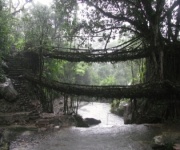
Travellers with more time can include Arwah Cave, Wei Sawdong Falls, Dainthlen Falls, or a living root bridge excursion, depending on weather and fitness. These attractions vary considerably in walking distance and road access. Trying to visit every site in one day can leave too little time for the actual trails and can encourage unsafe driving after sunset.
Staying overnight in Sohra makes the experience more relaxed. Early starts help you reach popular viewpoints before crowds, while an additional day allows you to postpone a longer walk if rain closes a route. Accommodation ranges from hotels and guesthouses to resorts with valley views, although availability can become tight during monsoon weekends and public holidays.
For visitors who prefer an organised schedule, the four-night Sohra package can provide a useful framework for combining waterfalls, caves, viewpoints, and local sightseeing. Confirm the precise inclusions, transport arrangements, accommodation, and walking requirements before booking, especially if you want a guided descent rather than a standard viewpoint stop.
Practical planning before departure
Most domestic visitors can travel to Meghalaya with standard government-issued identification, while international travellers should check the latest Indian visa requirements before arrival. Rules concerning protected areas, photography, or local access can change, so confirm current information with your accommodation or tour operator. Keep digital and printed copies of important documents where possible.
The nearest major air connections are generally associated with Guwahati, followed by a road journey into Meghalaya. Shillong Airport has limited connectivity, so travellers should compare flight schedules and transfer times before finalising plans. Shared taxis may reduce costs, while a reserved vehicle provides greater flexibility for waterfalls and village roads.
Budget for entry charges, parking, guide fees, meals, and weather-related changes. Cash is useful in rural areas where card machines or reliable mobile payment services may not work. Travellers should also allow extra time for traffic, road repairs, livestock, and rain, rather than calculating the day around exact driving times.
Use these practical priorities when preparing for the hike:
- Check the local forecast on the morning of departure and ask about trail conditions.
- Wear grippy footwear and pack a waterproof layer, water, snacks, and a first-aid kit.
- Hire a local guide for any lower-valley or village trail that is not clearly marked.
- Keep away from cliff edges, plunge pools, and streams during or after heavy rain.
- Combine the falls with nearby sights, but leave enough daylight for the return journey.
A well-planned visit balances spectacle with restraint. The main viewpoint may provide the finest complete view, while a guided walk can reveal the wet forests, rock formations, and village landscapes that make the wider Sohra region distinctive. Start early, travel with reliable local support, and keep your schedule flexible enough to respect the weather.
Arrange your Cherrapunjee stay around current road and trail conditions, include Seven Sisters Falls in a broader Meghalaya itinerary, and contact India Beacons Sojourn through Cherrapunjee.net for package and booking details before setting out.