




A Day Exploring the Laitsohum Village and Its Tea Gardens
Laitsohum offers a quieter way to experience the highlands around Sohra, the name many locals use for Cherrapunjee or Cherrapunji. Instead of moving quickly between famous waterfalls and caves, a day here unfolds through village lanes, misty hills, small tea plots and conversations shaped by Khasi hospitality. The journey is as much about observing everyday life as it is about reaching a viewpoint.
For Australian travellers, the setting feels both familiar and wonderfully different. The green slopes may recall parts of the Dandenong Ranges or the wet tropics near Cairns, yet Meghalaya’s monsoon landscape, Khasi traditions and living-root culture create a character of their own. A local guide, flexible timing and respectful curiosity will make this village-and-tea-garden outing far more rewarding than a rushed stop.
Setting out from Sohra
Laitsohum is best visited as a day excursion from Sohra, where many travellers stay in a resort, homestay or small hotel. The drive follows the undulating roads of the East Khasi Hills, passing forest, settlements and open ridgelines. Travel times depend on the starting point, road conditions and the number of scenic stops, so it is wise to allow a full day rather than trying to fit the village between two fixed attractions.
Travellers arriving from Australia will usually build the visit into a longer Meghalaya holiday. A common route involves flying from Sydney, Melbourne or Brisbane to an Indian gateway such as Delhi, Kolkata or Guwahati, followed by the connection towards Shillong and a road transfer to Sohra. The journey is considerably longer than a weekend drive from Melbourne to the Grampians, so two or three nights around Cherrapunjee gives the landscape time to settle in.
Morning is generally the most comfortable time to begin walking. Clouds can gather rapidly, and showers may arrive even when the sky looks bright. Your driver or local escort can advise whether to visit the tea gardens first, continue towards a nearby viewpoint, or adjust the route around heavier rain. A flexible plan is especially valuable during the monsoon months, when streams rise and paths become slippery.
Walking through village life and tea gardens
The village experience begins quietly. You may pass homes with tidy compounds, kitchen gardens, livestock sheds and children walking to school, while the surrounding hills hold layers of forest and cultivated land. Laitsohum is not a staged attraction, so its appeal comes from ordinary details: smoke rising from a cooking fire, fresh produce being carried home and residents tending plants according to the season.
The tea gardens are usually appreciated as small-scale, living landscapes rather than vast commercial estates. Look closely at the arrangement of bushes, the damp soil and the way cultivation follows the contours of the hillside. A guide can explain what is being grown, how leaves are picked and whether a particular plot is privately managed. Tea production here should be understood within the village economy, where gardens sit alongside other crops and household work.
Ask before entering a garden, photographing people or handling leaves. This courtesy matters in any rural community, and it is particularly important when a visitor is walking through someone’s workplace or home area. Australian visitors accustomed to public access through national parks should remember that a village garden may not have the same open-access convention as a signed track in Victoria or New South Wales.
If tea is offered, accept it at the host’s pace rather than treating the visit as a transaction. You may be served a simple cup with snacks, or you may simply hear stories about weather, farming and local roads. Carrying small notes in Indian rupees is useful for refreshments and modest purchases, as international cards and Australian dollars will not be practical at a village stop.
Adding caves, viewpoints and Khasi stories
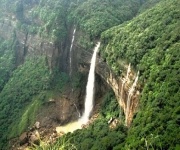
A day around Laitsohum can be paired with a nearby natural attraction, provided the timing remains comfortable. The limestone landscape around Sohra is marked by caves, cliffs, forest paths and deep valleys. A short excursion to a viewpoint may provide broad panoramas, while a cave visit brings you into the darker geological world beneath the plateau.
For travellers interested in limestone formations and fossils, the Arwah Cave guide is a useful companion when planning a wider Cherrapunjee itinerary. Arwah Cave is known for its fossil-bearing surfaces and narrow, atmospheric passages, though conditions underfoot can be wet and uneven. It is best approached with proper footwear, a local guide and enough time to explore without hurrying back to the village.
The surrounding region also carries stories connected to Khasi identity, clan structures and a deep relationship with forests and water. A local guide can add context that a roadside sign cannot provide, including how villages respond to heavy rainfall, how paths are maintained and how traditional knowledge is passed between generations. Listen carefully to place names and pronunciation; using “Sohra” alongside “Cherrapunjee” is a small sign of awareness.
Leave natural areas as you found them. Do not remove fossils, stones, plants or tea leaves, and avoid leaving snack wrappers along paths. This is particularly important for visitors who have grown up with Australia’s “leave no trace” expectations in national parks. The same care supports Meghalaya’s fragile caves, streams and village trails.
Practical preparation for a comfortable day
The climate can change quickly, and a pleasant walk may become demanding after a shower. Pack light, but choose items that handle damp tracks, strong sun and cooler cloud. A compact day bag is easier to manage than a large suitcase, especially if the route includes steps, cave passages or muddy village lanes.
Australian travellers should also plan for differences in payments and connectivity. Indian rupees are essential for small purchases, and UPI payments are common in many Indian towns, although visitors may not always be able to use them. Cards may work at established hotels in Sohra, while village stalls and small cafés are more likely to prefer cash. A local SIM or reliable roaming plan helps when weather changes require a quick call to your driver.
Essentials for the village walk
- Comfortable shoes with firm grip for wet earth, rock and uneven paths
- A lightweight rain jacket or poncho, even during a bright morning
- Refillable water bottle, sunscreen and a hat for exposed sections
- Indian rupee notes for tea, snacks, local products and small transport costs
- Insect repellent, personal medication and a compact first-aid kit
- Phone power bank, offline maps and a waterproof pouch for documents
Dress modestly and choose breathable layers. Shorts and sleeveless tops may be comfortable in parts of Australia, but conservative clothing is more suitable when visiting homes, churches or village communities in Meghalaya. A long pair of trousers or a loose skirt also protects against wet vegetation and insects.
Good walking manners make the day easier for everyone. Keep voices low near homes, wait for permission before taking portraits and do not block narrow lanes while photographing scenery. If you buy tea, woven goods or snacks, pay a fair price rather than bargaining aggressively over a small amount. The purchase may be modest for an overseas visitor but meaningful to a local household.
Shaping the day around your travel style
There is no single ideal schedule for Laitsohum. A couple may prefer a slow village walk followed by tea and a quiet viewpoint, while a family may need shorter walks and more frequent breaks. Photographers should leave room for clouds to lift and return, since the most memorable light can appear for only a few minutes between showers.
Those travelling during an Australian school-holiday period should book accommodation and vehicle transfers early. December and January can bring strong demand for popular Meghalaya routes, while the monsoon attracts visitors who specifically want the dramatic green landscape and waterfalls. The wet season can be spectacular, but it also calls for more generous travel buffers than a dry-season itinerary.
A balanced day itinerary
- Begin after breakfast in Sohra with a drive towards Laitsohum
- Walk through the village and tea-growing areas with a local escort
- Pause for tea, conversation or a simple local meal
- Add one nearby viewpoint, waterfall or cave if weather and energy allow
- Return to Sohra before darkness, allowing extra time for rain-affected roads
- Keep the evening free for rest, photography and planning the next excursion
A local market stop can add a useful cultural layer to the day. Markets around Shillong and Sohra are places to see seasonal vegetables, rice, spices, bamboo products and locally prepared foods, rather than simply souvenir shops. Visitors from Sydney’s weekend farmers markets or Melbourne’s produce halls may recognise the direct relationship between growers and buyers, although the sounds, ingredients and bargaining customs will be distinctly Meghalaya.
When buying packaged tea or handmade items, check how the product can be carried home to Australia. Food, plant material and animal products are subject to strict Australian biosecurity rules, and undeclared items can cause serious delays or penalties at the border. Sealed, labelled products are generally easier to manage than loose leaves or unprocessed materials, but travellers should check current Australian entry requirements before departure.
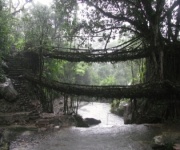
Laitsohum works particularly well as part of a two- to seven-night Meghalaya holiday. It can follow a visit to Shillong and precede Cherrapunjee’s major waterfalls, living root bridges and caves. The village day adds texture between headline attractions: instead of seeing the hills only from a vehicle or viewpoint, you spend time understanding how people cultivate, move through and care for this rain-filled landscape.
Reserve a guided Laitsohum village experience through Cherrapunjee.net and pair it with accommodation, transport and other Sohra attractions that suit your travel dates. With a thoughtful pace, suitable clothing and respect for local households, a day among the tea gardens becomes one of the most personal memories in a Meghalaya journey.