





A Day in the Life of a Khasi Village: Cultural Etiquette for Travelers
A visit to a Khasi village in Meghalaya offers a view of daily life shaped by forest, rain, family, farming, faith, and strong community ties. Around Cherrapunjee, also known as Sohra or Cherrapunji, the landscape may attract travelers with waterfalls and living root bridges, yet the people and customs give the journey its deeper meaning.
Village life follows a gentler rhythm than a sightseeing itinerary. Morning work may begin before visitors arrive, while conversations, shared meals, church activities, market visits, and household responsibilities often unfold around close family networks. A respectful traveler observes first and participates only when invited.
Cultural etiquette in Khasi communities is less about memorizing rigid rules than about showing consideration. Dress modestly, speak calmly, ask before taking photographs, and remember that a village is a lived-in home rather than a backdrop. Small gestures of courtesy can turn a brief stop into a warm and meaningful exchange.
Begin With A Respectful Arrival
Before entering a village, find out whether there are local rules concerning photography, forest access, ceremonies, or sacred places. Some communities manage visitor access through a village council or local guide, and these arrangements help protect both residents and the environment. A guide familiar with the area can explain where to park, which paths are public, and whether a contribution is expected.
A simple greeting is a good beginning. “Khublei” is widely used in Khasi as an expression of thanks and goodwill, and learning to say it with a smile is appreciated. Use a calm voice and avoid calling loudly across homes or gathering places. If someone is busy with livestock, farming, cooking, or household work, give them space rather than assuming they are available for conversation.
Many Khasi families are Christian, while older indigenous beliefs and customary practices continue to influence relationships with land and community. Faith traditions vary between households and villages. Avoid making assumptions about religious identity, and never treat a prayer, memorial, shrine, or ritual object as a tourist attraction.
Dress, Photography, And Personal Space
Meghalaya’s climate can be cool and wet, especially in Sohra, but practical clothing should still be modest when visiting a village. Lightweight trousers, long skirts, shirts with sleeves, and a rain jacket work well. Avoid beachwear, very short clothing, or outfits that may appear careless in a home, church, school, or community space. Comfortable walking shoes are essential on muddy lanes and stone paths.
Ask permission before photographing people, especially older residents, children, workers, and anyone participating in a ceremony. A friendly request may be enough, but a person’s silence or hesitation should be treated as a refusal. Do not photograph inside homes, churches, sacred groves, or private courtyards without clear permission.
Keep cameras and phones away during meals, prayers, funerals, and other sensitive events unless residents specifically invite photography. Drone use deserves particular caution because it can disturb privacy and may be restricted near homes, forests, protected areas, or security-sensitive locations. The same care applies to recording conversations or posting identifiable images online.
Sharing Food And Conversation
If a Khasi family invites you to eat, accept graciously when possible, while explaining dietary restrictions clearly. Meals may include rice, vegetables, pork, fish, chicken, fermented ingredients, or local herbs, depending on the household and occasion. Some families may offer tea or a small snack rather than a full meal, and accepting the gesture warmly is often more important than the quantity served.
Wash your hands when invited to do so and observe how others begin eating. In many Indian households, people may eat with the right hand, though cutlery can also be provided. Take modest portions first so that food is not wasted, and compliment the cooking sincerely without making exaggerated comparisons to food from home.
Conversation is usually more comfortable when it begins with the village, weather, farming, roads, local produce, or travel. Questions about age, income, marriage, family size, or religion can feel intrusive when asked too quickly. Do not assume that every resident wants to explain poverty, infrastructure, or traditional customs. Listen to stories as personal experiences rather than treating one person as a spokesperson for all Khasi people.
A Village Day In Changing Light
Early morning may bring mist over the hills, roosters, cooking fires, schoolchildren, and residents preparing for work. Farmers may tend to betel leaf gardens, potatoes, broom grass, rice fields, or other crops suited to the terrain. A visitor should remain on established paths and avoid touching plants, tools, stored produce, or household belongings.
By midday, the pace may shift toward school, markets, small shops, household tasks, or work connected with tourism. Khasi villages are not frozen heritage sites. Young people use smartphones, study in cities, work in hospitality, and move between customary practices and contemporary life. Avoid describing residents as “untouched” or treating ordinary technology as surprising.
Afternoons can be ideal for walking with a local escort, visiting a community-run attraction, or spending time at a homestay. Rain may arrive suddenly, so protect documents, phones, and camera equipment. When the day ends, avoid loud music and unnecessary movement near homes. In a village, sound travels easily through hills and quiet streets.
| Situation | Considerate approach | Avoid |
|---|---|---|
| Entering a home | Wait to be invited, remove shoes if others do, and greet the household | Walking into rooms or opening doors without permission |
| Meeting residents | Offer a warm greeting and let conversation develop naturally | Demanding personal information or treating people as attractions |
| Taking photographs | Ask first and accept refusal without argument | Photographing children, ceremonies, or private spaces secretly |
| Visiting a sacred forest | Follow local instructions and stay on marked paths | Removing plants, stones, leaves, or objects |
| Sharing food | Take a small serving, state dietary needs politely, and avoid waste | Criticizing unfamiliar ingredients or insisting on special treatment |
| Buying local goods | Pay the agreed price and value handmade work | Bargaining aggressively over a small amount |
| Leaving the village | Thank hosts, dispose of rubbish, and keep noise low | Leaving plastic, damaging paths, or disturbing evening routines |
Respect For Land And Living Traditions
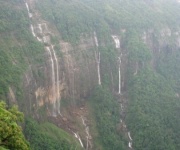
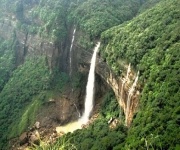
The hills around Cherrapunjee contain forests, streams, caves, waterfalls, and living root bridges that depend on careful community stewardship. A sacred grove may have rules against cutting vegetation, collecting fallen wood, eating, smoking, or removing anything from the site. Such restrictions are cultural responsibilities as well as conservation measures.
Living root bridges are created over many years by guiding the roots of rubber fig trees across streams and ravines. They are engineering achievements rooted in local knowledge, not disposable photo props. Walk carefully, follow the guide’s directions, and do not pull at roots, carve names, or climb on fragile sections for a better image.
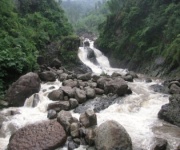
Waterfalls and caves also require restraint. Wet rocks can be dangerous, and flash rain can quickly change stream conditions. Do not enter restricted caves, swim where local authorities advise against it, or leave offerings, wrappers, toiletries, or food behind. Carry a reusable bottle and a small bag for personal waste until a suitable disposal point is available.
Choosing A Thoughtful Visit
Responsible travel begins before arrival. Select guides, drivers, homestays, and tour operators that explain local customs, use community knowledge, and pay attention to environmental limits. A well-organized Cherrapunji tour package can provide time for village visits alongside waterfalls, caves, viewpoints, and living root bridges instead of compressing every stop into a hurried day.
A longer stay often benefits local businesses more than a quick photo stop. Book locally owned accommodation when it suits your plans, eat at small restaurants, purchase crafts directly from makers, and pay fairly for guiding or transport. Do not distribute sweets, money, pens, or clothing to children in the street; this can encourage repeated solicitation. Donations are more useful when made through a trusted community organization.
Keep an open mind about comfort and timing. Rain may delay a drive, a road may be narrow, and a planned walk may take longer than expected. Patience is part of respectful travel. The wider Cherrapunji travel guide can help with practical planning, attractions, accommodation, permissions, and what to bring before setting out.
Simple Habits That Build Trust
- Learn a few courteous Khasi expressions, including “Khublei,” and use them naturally rather than performing them for attention.
- Carry modest clothing, sturdy footwear, rain protection, a reusable water bottle, and a small bag for your rubbish.
- Ask before photographing, filming, entering a home, joining a meal, or touching cultural and religious objects.
- Spend locally through community guides, family-run stays, village shops, and makers of regional products.
- Follow every instruction at sacred groves, waterfalls, caves, bridges, churches, and other community-managed places.
A day in a Khasi village becomes memorable through attention rather than spectacle: a greeting at a doorway, mist lifting from a hillside, the care given to a root bridge, or a shared cup of tea after a walk. Travel gently, allow residents to set the pace, and let the community remain the author of its own story. Plan a considerate Meghalaya journey with local guidance and make your time in Sohra a benefit to the places and people who welcome you.