





A Guide to the Annual Monsoon Festival in Cherrapunjee
Cherrapunjee, known locally as Sohra and also widely called Cherrapunji, becomes especially atmospheric during Meghalaya’s wet season. Rain moves across the Khasi Hills in shifting curtains, streams swell into waterfalls, and the forest takes on vivid shades of green. During this season, the annual monsoon festival brings together music, food, cultural performances, local crafts and outdoor experiences in one of northeast India’s most distinctive destinations.
The festival is more than a staged event for visitors. It reflects the relationship between the Khasi people and the rain that shapes life in the region. Farms, forests, rivers and living root bridges all depend on the monsoon, so celebrations often feel connected to the surrounding landscape rather than separated from it. Depending on the year, the programme may include traditional dance, contemporary performances, community activities, food stalls and displays of regional products.
Exact dates, venues and performances can change, so travellers should check the latest announcement before booking flights or accommodation. Festival arrangements may be published close to the event, particularly when weather conditions affect outdoor scheduling. A useful starting point is the Cherrapunjee travel guide, which also provides information about tours, resorts, attractions and practical arrangements in the area.
For Australian travellers, the journey usually involves flying to Guwahati or another major Indian gateway before continuing overland into Meghalaya. Travellers from Sydney, Melbourne, Brisbane or Perth should allow time for connections and road transfers rather than treating Sohra as a quick weekend stop. The reward is a slower, immersive trip through one of India’s most rain-soaked and culturally rich regions.
When And Why The Festival Matters
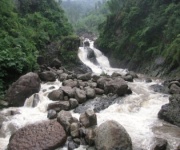
The monsoon is central to Sohra’s identity. The area has long been associated with some of the highest recorded rainfall on earth, although yearly totals vary. Rainfall supports dense vegetation and dramatic cascades, while also influencing farming, transport and daily routines. The festival gives communities a public occasion to celebrate this defining part of local life.
A typical programme may combine Khasi cultural presentations with popular music, dance, local cuisine, handicraft demonstrations and activities for families. The exact balance depends on the organisers and the venue. Some editions may feel like a large public gathering, while others place greater emphasis on heritage, food or performances by local artists.
Visitors should approach the event as a regional celebration rather than an international music festival with a fixed format. The atmosphere may shift during the day, with family-friendly activities earlier and music or stage performances later. Local announcements, tourism offices and accommodation providers are the best sources for the current schedule.
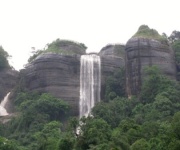
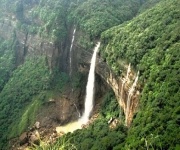
The timing also makes the surrounding attractions especially dramatic. Nohkalikai Falls may be framed by cloud and mist, Mawsmai Cave feels cool and atmospheric, and forest trails can appear freshly washed after a heavy shower. The same weather that creates the festival’s character can make road travel slower, so flexibility is part of the experience.
What To Expect During A Festival Day
Festival venues may feature a mix of temporary stages, food areas, craft stalls and open-air spaces. Music can range from Khasi folk traditions to modern regional performers, while dance presentations introduce visitors to local stories, costumes and movement. Food stalls may offer rice-based dishes, smoked or fermented specialities, seasonal vegetables and other Meghalaya flavours that differ from standard north Indian menus.
A few Khasi words and a respectful greeting can help create a warmer exchange, though English is widely used in tourism and public communication. People in Meghalaya are often comfortable speaking with visitors, but photographs should still be taken with permission, especially during cultural performances or when focusing on individuals. A friendly, low-key approach generally fits the setting better than treating the festival as a spectacle.
Rain can arrive suddenly, even when the morning begins bright. Outdoor areas may become slippery, and programmes may pause or move if conditions become intense. Bring a waterproof phone pouch, a compact umbrella and footwear with reliable grip. A pair of quick-drying sandals can be useful around accommodation, but closed shoes are safer for wet trails and uneven ground.
Festival crowds may be busiest around headline performances and popular food areas. Arriving early gives visitors time to understand the layout, find shelter and explore stalls before the main rush. Cash is still useful for smaller vendors, even though digital payments are increasingly common in Indian towns and tourist centres.
Building A Cherrapunjee Itinerary
A festival visit works best as part of a wider Meghalaya journey rather than a single event-focused stop. Allow at least two nights in or around Sohra so that one day can be devoted to the festival and another to waterfalls, caves and viewpoints. Travellers with four to seven nights can combine Cherrapunjee with Shillong, Mawlynnong, Dawki or other parts of the Khasi Hills.
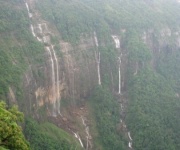
Popular attractions near Sohra include Nohkalikai Falls, Seven Sisters Falls, Mawsmai Cave, Arwah Cave and the surrounding forest viewpoints. Conditions may affect visibility, particularly during heavy rain, so avoid packing every day with fixed activities. A flexible itinerary leaves room for a waterfall visit when the cloud lifts or a cave excursion when rain makes a long outdoor walk impractical.
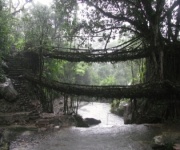
The living root bridges deserve extra planning. These remarkable structures are formed by training the roots of rubber fig trees across streams over many years, and some require a demanding walk with steep steps. The trek to Nongriat, associated with the famous double-decker living root bridge, can be strenuous in wet weather. Comfortable pacing, drinking water and a local guide can make the experience safer and more rewarding.
Australian visitors may be used to self-driving between regional attractions around the Blue Mountains, the Daintree or the Great Ocean Road, but Meghalaya’s roads require a different mindset. Mountain routes can be narrow, winding and affected by rain, traffic or landslips. A locally arranged car and driver is often more practical than hiring a vehicle, particularly for travellers unfamiliar with Indian road conditions.
Practical Planning For Australian Travellers
The most comfortable months for the festival depend on the annual programme, but monsoon conditions are likely to mean high humidity, frequent rain and changeable road conditions. Check passport validity, Indian visa requirements and any current travel permissions well before departure. International flight schedules, domestic connections and local transport can require more time than a standard holiday in eastern Australia.
Pack a breathable rain jacket rather than relying on a winter coat. A lightweight fleece can be useful in the evening, while moisture-wicking clothing, insect repellent, a small first-aid kit and a waterproof day bag are sensible additions. Australian travellers often plan around school holidays or public-holiday periods, but festival dates may not align neatly with those calendars, so confirm the event before committing to non-refundable bookings.
Costs should be considered in Indian rupees, with an allowance for currency conversion, driver payments, tips, meals, entry fees and unexpected delays. Australian travellers comparing prices in AUD may find local services good value, but the cheapest option is not always the most dependable in remote, rain-affected areas. Package tours can simplify transfers and accommodation, while independent travellers may prefer arranging selected services directly.
Use these practical measures to make the trip smoother:
- Confirm the festival dates, venue and performance schedule shortly before departure.
- Book accommodation early if the event overlaps with Indian school holidays or a busy weekend.
- Carry a waterproof outer layer, quick-drying clothes and shoes with strong traction.
- Keep cash in small denominations for food stalls, local transport and minor purchases.
- Allow extra hours for mountain road transfers, especially after heavy rainfall.
- Use a local guide for longer walks to living root bridges, caves or less familiar trails.
- Save copies of passport, visa, booking and insurance documents offline.
Experiencing The Region Responsibly
Sohra’s environment is sensitive to heavy visitor traffic. Festival rubbish, plastic bottles and disposable food packaging can quickly affect streams and viewpoints when waste systems are under pressure. Carrying a reusable bottle, refusing unnecessary plastic and using marked bins are small actions that matter in a high-rainfall landscape.
Respect for local customs is equally important. Dress modestly when visiting villages, churches or community areas, and follow signs or instructions around sacred forests and cultural sites. Some attractions may have local rules about photography, footwear or access. Paying entrance fees and buying food or crafts from community vendors helps tourism benefits remain within the region.
The rain should be treated as a feature of the journey, not simply an inconvenience. Avoid standing close to waterfall edges, cliff viewpoints or swollen streams when visibility is poor. Trails can become muddy and steps can be slick, while mobile coverage may be inconsistent in rural areas. Tell your accommodation or driver about your intended route when heading out for a longer excursion.
An Australian sense of relaxed travel can fit the destination well, particularly the willingness to stop for a cuppa, wait out a downpour and let the day unfold. At the same time, the local rhythm may be less predictable than a tightly scheduled package around Melbourne or Sydney. Patience, courtesy and realistic expectations will make the festival feel far more enjoyable.
A good trip combines the event with ordinary moments: a conversation over tea, a roadside view emerging from cloud, the sound of rain on a tin roof or a meal prepared with local ingredients. These experiences provide context for the performances and landscapes, turning a festival visit into a deeper understanding of Sohra.
The annual monsoon festival offers a memorable reason to visit Cherrapunjee, but its greatest strength is the way it connects visitors with the wider character of Meghalaya. Plan around the weather, leave room for local discoveries and choose transport and accommodation that support a comfortable stay.
For current package options, accommodation information and booking assistance, contact India Beacons Sojourn through Cherrapunjee.net. Early enquiries allow time to match festival dates with flights, road transfers, guided excursions and the right length of stay.