



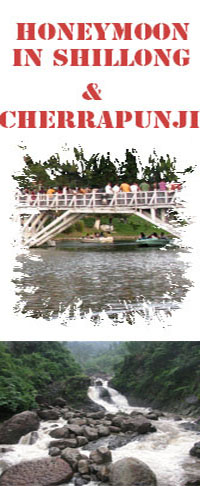
Dainthlen Falls and the legend of the serpent
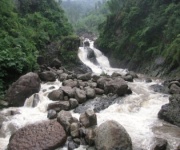
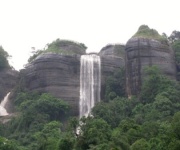
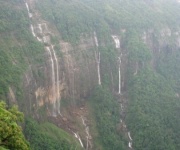
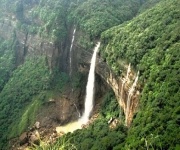
Dainthlen Falls is one of the memorable natural attractions near Sohra, also known as Cherrapunji, in Meghalaya, India. The waterfall drops over a broad rocky ledge surrounded by forested hills, wet-season streams and dramatic East Khasi scenery. It is close enough to visit on a day of sightseeing, yet distinctive enough to deserve more than a quick photograph from the roadside.
The falls are also connected with the Khasi story of Thlen, a giant serpent associated with greed, violence and fear. Learning the legend adds cultural depth to the visit, while the landscape itself shows why this part of Meghalaya is famous for rain, caves, waterfalls and living root bridges. For travellers from Australia, a little preparation around weather, transport, entry requirements and cash will make the outing considerably easier.
Where Dainthlen Falls is located
Dainthlen Falls lies around 5 kilometres from Sohra town, making it one of the more accessible waterfalls in the Cherrapunji area. The road passes through a landscape of open grassland, rocky plateaus and thick vegetation. During the monsoon, water surges across the sandstone and limestone formations, while in the drier months the flow can become gentler and the rock details are easier to see.
The waterfall is named after Thlen, the mythical serpent in Khasi folklore. Local accounts connect the serpent with a cave or rocky place in the surrounding region, and the markings on the rocks are traditionally interpreted as evidence of its body. Whether viewed as literal history, oral tradition or symbolic storytelling, the legend remains closely tied to the identity of the falls.
A visit usually involves a short walk from the parking area towards the viewpoint and rocks near the cascade. Surfaces may be slippery, uneven or muddy, particularly after heavy rain. Visitors should allow time to enjoy the surrounding valley instead of treating Dainthlen Falls as a brief stop between larger attractions.
The Khasi legend of Thlen
The story of Thlen is one of Meghalaya’s best-known legends. The serpent is said to have grown powerful by feeding on people and spreading terror. A group of brave villagers eventually devised a way to defeat it, using a heated iron rod or similar method to destroy the creature. The story differs in detail between tellings, as is common with oral traditions passed through generations.
At its heart, the tale represents the struggle between a community and a destructive force. Thlen is often associated with selfishness, cruelty and the hunger for wealth or power. The defeat of the serpent suggests that courage and collective action can overcome something that appears impossible to control. This moral dimension helps explain why the waterfall is more than a scenic viewpoint.
Khasi culture has a strong relationship with landscape, ancestry and spoken history. A respectful visitor should listen to local guides and residents rather than presenting the legend as a simple horror story. Avoid climbing onto fragile rock markings, carving names or treating sacred associations as props for photographs. The place is best appreciated as both a natural site and a setting for living cultural memory.
Weather, water and the best time to visit
Sohra receives some of the heaviest rainfall on Earth, so the season has a major effect on the experience at Dainthlen Falls. The monsoon, generally from June to September, can produce powerful water flow and misty views. Roads may be slower, walking tracks can become muddy, and visibility may change quickly. Waterproof footwear and a rain jacket are more useful than an umbrella when wind and spray are strong.
The post-monsoon months often provide a practical balance between impressive water levels and easier sightseeing. October to November can still feel green and fresh, while winter brings clearer skies and cooler conditions. From December to February, mornings may be crisp, and the waterfall can appear less forceful but more defined against the rocks.
Rain also affects wildlife activity throughout South and Southeast Asian landscapes. Travellers interested in nature can read about monsoon bird activity to understand why wet weather can alter bird calls, movement and visibility, even though that resource focuses on southern Thailand rather than Meghalaya. At Dainthlen, quiet observation may reveal birds, butterflies and small creatures among the vegetation.
Reaching the falls from Sohra
Most travellers visit Dainthlen Falls as part of a private car tour or a hired taxi from Sohra. The route is straightforward compared with excursions to more remote living root bridges, and it can be combined with nearby caves, viewpoints and other waterfalls. Roads in Meghalaya can be winding, and journey times are shaped by rain, traffic, roadworks and occasional livestock, so a flexible itinerary is sensible.
Visitors staying in Shillong can make the trip as a long day excursion, although staying in or near Sohra gives more time for early starts and slower exploration. A two- to seven-night Meghalaya holiday can include Dainthlen Falls alongside Nohkalikai Falls, Mawsmai Cave, Arwah Cave, Seven Sisters Falls and a living root bridge. The Cherrapunji 3N 4D Package is one example of a structured stay that can help organise transport and sightseeing.
For Australians, reaching Meghalaya normally involves an international journey to an Indian gateway such as Delhi, Kolkata or Guwahati, followed by a domestic connection or overland transfer. Shillong Airport has limited services compared with major Indian airports, so the most convenient route depends on flight schedules. A local driver is valuable because they understand the roads, stopping points and changing weather better than a visitor relying on a navigation app.
What to bring for a comfortable visit
The right clothing matters more than elaborate equipment. Temperatures around Sohra are often moderate, but rain, wind and damp conditions can arrive with little warning. Clothing that dries quickly is preferable to heavy cotton, and a lightweight waterproof layer should remain accessible rather than buried at the bottom of a suitcase.
Australians may be accustomed to carrying sunscreen and a hat for outdoor travel, but Meghalaya calls for equal attention to wet-weather protection. A small daypack, sealed phone pouch and spare socks can make a noticeable difference. Wear shoes with firm grip instead of smooth-soled trainers, especially if the route has received recent rain.
Useful items for the waterfall visit
- Waterproof jacket or compact poncho for sudden showers
- Trail shoes with reliable grip and comfortable socks
- Reusable water bottle and small snacks in sealed packaging
- Insect repellent, sunscreen, hat and basic first-aid supplies
- Dry bag or phone pouch for cameras, passports and electronics
Keep valuables secure and carry only the cash needed for the day. Small food stalls and local shops may not accept cards or digital payments consistently, particularly outside larger towns. Indian rupees are more useful than Australian dollars, and exchanging money before travelling deep into rural areas is prudent. Bargaining may be normal in some markets for souvenirs, but it should remain polite and reasonable rather than aggressive.
Safety, etiquette and travel requirements
Never enter the water below the falls or stand on an exposed ledge simply for a photograph. Water levels can rise quickly upstream, rocks become deceptively slick, and mist can obscure drop-offs. Follow signs, stay behind barriers where they exist and listen to the driver or local guide when weather conditions change. Alcohol is especially unsafe around wet rocks and steep viewpoints.
India requires Australian visitors to hold an appropriate visa before arrival, and many tourists use the official Indian e-Visa system when eligible. Passport validity, permitted entry points and visa conditions should be checked against current Indian government guidance before booking flights. Rules can change, and an e-Visa approval does not replace normal immigration checks. Carry digital and printed copies of key documents, including accommodation details and travel insurance.
Australian law also matters when returning home. Australia’s biosecurity controls require travellers to declare certain food, plant material, animal products, soil and outdoor equipment. Mud on hiking shoes can create a problem at the border, so clean footwear and camping or walking equipment before the return journey. This is an everyday travel habit worth taking seriously, just like observing India’s left-side traffic and wearing a seat belt in the vehicle.
Simple checks before leaving Sohra
- Confirm the day’s road conditions and expected rainfall
- Check that your phone, camera and power bank are charged
- Carry identification, visa copies, emergency contacts and some rupees
- Tell your driver if you need extra time for walking or photography
- Leave snacks and plastic waste out of the forest and waterfall area
Local markets around Sohra and Shillong offer fruit, tea, spices, woven products and simple meals. Try regional food through reputable establishments, and use treated or bottled water if you are unsure about the source. Australian visitors may find meal times and service speed less predictable than in Melbourne, Sydney or Brisbane, so keeping a small snack in the daypack is practical rather than excessive.
Dainthlen Falls rewards a slower approach. Listen to the story of Thlen, watch how rain changes the cascade and notice the relationship between the road, forest and exposed plateau. The best photographs usually come from patience and attention to the landscape, not from standing at the most precarious edge.
To arrange a Meghalaya holiday, explore the tour and accommodation information on Cherrapunjee.net and contact India Beacons Sojourn for a suitable itinerary. Including Dainthlen Falls in a carefully paced Sohra journey allows the waterfall, its legend and the wider Khasi landscape to be experienced together.