




A Beginner’s Guide To The Double Decker Living Root Bridge Trek
Deep in the green hills of Meghalaya, the Double Decker Living Root Bridge offers one of India’s most memorable walking experiences. The bridge is formed from the living roots of rubber fig trees, guided and strengthened by generations of Khasi communities. Reaching it involves a demanding descent into the Nongriat valley, followed by a climb back to the hilltop village of Tyrna.
For travellers from Australia, this is a trek that rewards preparation rather than speed. It is not a casual stroll like a coastal walk around Sydney Harbour or a short rainforest circuit near Brisbane. The route includes thousands of uneven steps, humid conditions, slippery surfaces and limited facilities. With sensible planning, suitable footwear and enough time, beginners can enjoy the journey safely and comfortably.
Where The Trek Begins
The walk to the Double Decker Living Root Bridge starts at Tyrna village, approximately 20 kilometres from Sohra, also known as Cherrapunji. Most visitors travel from Shillong or stay in Sohra the night before, allowing them to reach the trailhead early. A private car, local taxi or organised transfer is generally the most practical option, as public transport to Tyrna can be infrequent and may not match a trekker’s preferred start time.
The trail descends through forested hills towards Nongriat village. The first section is relatively straightforward, but the steps become steeper and more irregular as the route continues. Many visitors take between two and four hours to reach the bridge, depending on fitness, weather, rest stops and photo breaks. Travellers accustomed to bushwalking in the Blue Mountains or the Dandenong Ranges may recognise the physical demands, but the tropical humidity makes the effort feel heavier.
Allow a full day for the return journey. The route down can seem easy at first, yet the uphill climb on the way back is where beginners often use most of their energy. Starting around sunrise or soon afterwards helps you avoid the strongest heat, leaves more time for rest, and reduces the risk of completing the final section in poor light.
Understanding The Route And Its Sights
The path begins with a long staircase from Tyrna before entering dense subtropical forest. Along the way, you cross smaller suspension bridges, pass streams and walk through sections where tree cover offers welcome shade. The landscape changes constantly, with mossy rocks, bamboo, ferns and steep valley views creating a strong sense of entering a remote part of Meghalaya.
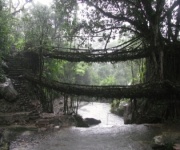
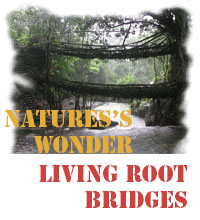
The main attraction is the Double Decker Living Root Bridge, made from two levels of intertwined tree roots. The roots were trained across a stream over many years, creating a natural structure that continues to grow and strengthen. It is a living example of Khasi ecological knowledge rather than a monument built in a single construction project, so visitors should treat the bridge and surrounding forest with care.
Some walkers continue beyond the double bridge to Rainbow Falls. This extension adds several hours and includes further climbs, river crossings and rougher terrain. Beginners should consider the extra walk only if they have reached Nongriat with plenty of energy, have checked the weather and are travelling with adequate water. The waterfall is beautiful, but rushing to include every sight can make the return journey unnecessarily difficult.
Preparing For A Comfortable Walk
A little planning makes a substantial difference on this living root bridge trek. Pack lightly, because a heavy backpack becomes uncomfortable on steep stairs and narrow paths. Carry enough drinking water for the day, along with snacks that can withstand humidity. Small local shops may be available near the trail or villages, but supplies are limited and should not be treated as guaranteed.
Australian visitors may be used to buying essentials at a Woolworths, Coles or a weekend farmers’ market before a day trip. In Meghalaya, it is wise to purchase water, fruit, electrolyte sachets and basic snacks in Sohra or Shillong before departure. Australian dollars cannot be used locally, so arrange Indian rupees in advance, especially if your itinerary includes smaller villages where card payments and ATMs may not be available.
Useful items for a first visit include:
- Grippy walking shoes or trail runners with reliable soles
- A lightweight rain jacket, even outside the main monsoon season
- Reusable water bottles, oral rehydration salts and high-energy snacks
- Insect repellent, sunscreen, a hat and a small first-aid kit
- A dry bag or waterproof cover for phones, cameras and spare clothing
Choose clothing that dries quickly and allows free movement. Long, breathable trousers can protect against insects and scratches, while a lightweight shirt offers better coverage than a singlet. Avoid brand-new footwear, smooth fashion sneakers and heavy cotton jeans. Even when the forecast appears clear, rain can arrive quickly in the Khasi Hills.
Staying Safe On The Trail
The steps are uneven, and some sections become slick after rain. Use the handrails where available, keep both feet secure before moving forward and avoid hurrying for photographs. A walking pole can help with balance, although it should not be used to poke into roots, disturb plants or block other trekkers on narrow sections.
Hiring a local guide is useful for route awareness, timing and practical support. Guides understand stream conditions, weather changes and the safest way through less obvious sections. They also connect visitors with the communities whose knowledge and care maintain the trail. If you are travelling independently, leave your accommodation details and expected return time with someone you trust.
Keep these safety priorities in mind:
- Begin early and check the forecast before leaving Tyrna
- Carry water, food, a charged phone and a small power bank
- Take regular breaks before you feel exhausted
- Stay on established paths and follow local instructions near bridges and streams
- Turn back if heavy rain makes crossings or steps unsafe
Mobile coverage can be unreliable, and emergency response in a remote valley may take time. Do not depend entirely on a phone map. Download offline directions, carry some cash and keep your day’s schedule flexible. Australian bushwalkers will recognise the value of telling someone their route, but the remoteness here makes that precaution especially important.
Planning Transport, Timing And Local Etiquette
The best months depend on your priorities. The wetter season brings dramatic waterfalls and intensely green scenery, but paths can be muddy and slippery. Drier months generally offer easier walking conditions, although rain remains possible in Meghalaya. Avoid building the trek into a tightly timed schedule around a flight, as delays, road conditions and a slow return from Nongriat can affect the rest of the day.
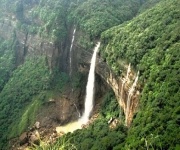
A stay of at least two nights in Sohra gives beginners a more relaxed experience. It allows time to recover after the trek and visit nearby attractions such as Mawsmai Cave, Nohkalikai Falls or other viewpoints. Travellers arriving from Melbourne, Perth or Adelaide should also account for the long journey to Northeast India and the adjustment to a different climate, food routine and travel pace.
Road travel in Meghalaya may take longer than the distance suggests. Traffic around Shillong, winding hill roads and seasonal weather can all affect transfer times. Before arranging a car, review this practical local transport guide to understand common options and plan transfers realistically.
Respect for local customs is essential. Ask before photographing residents, homes or private areas, and dress modestly in villages and near religious or community sites. Do not leave rubbish, play loud music or climb on parts of the bridge that are not intended for visitors. A small contribution to a local guide or community service can support the people who help preserve the route.
Booking through an experienced regional operator can simplify accommodation, transport and guide arrangements. India Beacons Sojourn, which operates the travel services behind Cherrapunjee.net, provides information about stays and Meghalaya itineraries through its travel team. A package can be especially helpful for first-time visitors who prefer transfers and sightseeing to be coordinated rather than arranged separately.
For a smooth trekking day, confirm these details before departure:
- Your Tyrna transfer and early morning pickup time
- Whether a local guide is included or needs separate arranging
- Accommodation facilities, meal options and drinking-water access
- The forecast, trail condition and expected return time
- Cash requirements for transport, snacks and local services
Plan around your own ability rather than the fastest times found online. Someone who regularly completes long walks in Canberra’s bushland may still need additional breaks in Meghalaya’s heat and humidity. The aim is to enjoy the forest, bridges and villages at a steady pace, with enough energy left for the climb back to Tyrna.
The Double Decker Living Root Bridge trek is a rewarding way to experience Cherrapunjee beyond its famous viewpoints and waterfalls. Prepare for a full day, respect the living landscape and allow local knowledge to guide your decisions. Explore suitable Cherrapunjee packages, arrange your transport and accommodation in advance, and contact the regional travel team to begin planning your Meghalaya adventure.