





A Guide to Betel Nut and Lime Culture in Cherrapunjee
In Cherrapunjee, known locally as Sohra and also widely called Cherrapunji, the small bundle of areca nut, betel leaf and slaked lime is part of everyday social life. Known as kwai among Khasi people, it may be offered to a guest, carried to a market or shared during a conversation. For visitors from Australia, it is an opportunity to understand a living custom rather than simply photograph an unusual local product.
The areca nut is the seed of the areca palm. It is sliced or prepared with betel leaf, a small amount of edible lime and sometimes additional ingredients such as tobacco, cardamom or coconut. The lime is not the same as the green citrus fruit used in a Sydney cocktail or a Melbourne kitchen; it is calcium hydroxide, traditionally used in a carefully controlled quantity to release the nut’s characteristic effects.
Sohra’s misty climate, steep hills and heavy monsoon rainfall shape the way food, farming and hospitality work. Betel nut is visible in village shops, roadside stalls and local markets, alongside seasonal fruit, smoked foods and bundles of betel leaves. The practice can seem unfamiliar to an Australian traveller used to coffee at a Brisbane café, chewing gum on a train or a quick snack from a supermarket, yet its social meaning is often more important than its stimulant effect.
This guide explains how the custom works, how to respond when it is offered, where you may encounter it and why health advice matters. It also places kwai within a respectful Cherrapunjee trip, where waterfalls, caves, forests and living root bridges are experienced alongside local communities rather than separately from them.
| Element | Local term or form | What a visitor should know |
|---|---|---|
| Areca nut | Kwai seed or supari | A stimulating seed that is chewed, not a type of lime |
| Betel leaf | Paan leaf | Used to wrap the ingredients; flavour varies by freshness |
| Slaked lime | Chuna | Applied sparingly to the leaf |
| Social setting | Sharing kwai | Often connected with welcome, conversation and hospitality |
| Health consideration | Areca chewing | Regular use is associated with serious oral health risks |
| Responsible response | Courtesy and choice | Thank the host and politely decline if you do not wish to chew |
What Kwai Means In Sohra
For Khasi families, offering kwai can express welcome, friendliness and readiness to talk. It may accompany a visit to a home, a meeting with elders or a relaxed exchange at a roadside stall. The gesture should be read socially, much as an Australian host might offer tea, biscuits or a cold drink, although the ingredients and cultural history are very different.
The custom is especially visible because the bundle is portable and inexpensive. A person may keep areca nut, leaves and lime in a small container or cloth pouch. In rural areas, sharing it can mark a pause during work or travel. It does not mean every resident chews regularly, and younger people, health-conscious residents and many non-chewers may choose other refreshments.
Sohra is part of Meghalaya, a state with several communities and languages. Khasi identity is central in the surrounding hills, but customs can vary between villages, households and generations. Treating kwai as a single fixed ritual would miss those differences. A local guide or host can explain the particular meaning of an offering more accurately than a visitor’s assumptions.
How The Chew Is Prepared
Preparation begins with a betel leaf, usually folded into a neat parcel. The vendor or host adds a thin smear of slaked lime and pieces of areca nut. Some versions include tobacco, while others use spices or sweet ingredients. The parcel is placed in the mouth and chewed slowly; the nut’s firm texture and bitter, astringent taste become more pronounced as saliva mixes with the ingredients.
Freshness matters. Leaves should look intact and moist rather than wilted, and the ingredients should be stored cleanly. At a local stall, you may see a seller cutting nut with a small knife and assembling parcels quickly for regular customers. This is a practical everyday skill, not a performance arranged for tourists.
The red staining sometimes associated with chewing comes from the interaction of the ingredients and the mouth. Spitting may occur in places where the custom is common, but visitors should never assume that public spitting is acceptable everywhere. Hotels, vehicles, restaurants, heritage sites and walking trails may have clear rules against it.
Where Visitors May Encounter It
Markets are the most straightforward setting for seeing betel nut culture without intruding into a private household. Look for stalls selling betel leaves, areca nuts and small packets of lime near other produce. Ask before taking photographs, especially if people are handling food or money. A simple greeting and a smile usually create a better exchange than immediately raising a camera.
You may also notice kwai during a homestay, a village walk or a conversation with a guide. If an offering is made, accepting it is not compulsory. You can say that you appreciate the gesture but do not chew. In Australia, refusing a drink at a barbecue is normally unremarkable; in Meghalaya, a warm explanation and thanks help preserve the same friendly tone.
Useful observations for a respectful market visit include:
- Notice how leaves and nuts are displayed beside ordinary groceries.
- Ask whether a product contains tobacco before accepting it.
- Keep cameras and phones away until the seller agrees to a photograph.
- Carry small Indian rupee notes for modest market purchases.
- Avoid bargaining aggressively over a low-cost cultural item.
- Dispose of wrappers in a bin rather than adding to roadside litter.
Travellers from Sydney, Perth or Adelaide may be surprised by how quickly weather changes in the hills. A market visit can be sunny when you leave your hotel and wet ten minutes later. Bring a lightweight rain layer, protect your phone and allow time for traffic on winding roads rather than trying to combine every stop into a rigid schedule.
Etiquette, Choice And Health
The safest approach is to distinguish cultural respect from personal consumption. You can be interested in the history of kwai without chewing it. A courteous refusal might be, “Thank you, I do not chew,” accompanied by a smile or a gesture of appreciation. Do not make jokes about stained teeth, spit or local habits, and do not pressure a companion to try it for a photograph.
Health evidence is important. Areca nut is classified as carcinogenic to humans and regular chewing is linked with oral cancer, oral submucous fibrosis, gum disease and dependence. Adding tobacco increases the risks. Sweetened commercial packets can appear harmless, but a pleasant flavour does not remove the risks associated with areca nut.
Visitors who have mouth sores, jaw stiffness, persistent irritation or unusual white or red patches should seek medical advice rather than dismissing symptoms. Travellers should also avoid confusing traditional use with medical safety. A practice can be culturally meaningful and still carry serious health consequences, just as some products familiar in Australian social life require moderation or clear warnings.
If you do try a preparation, ask what is in it, take only a small amount and do not accept tobacco unknowingly. Do not drive, swim or undertake a demanding cave or cliff walk if you feel dizzy, nauseated or unwell. Your guide can help you find water and a place to rest, but medical advice should come from a qualified professional.
Buying Responsibly In Meghalaya
A visit to a local market can support growers, vendors and small businesses when purchases are made thoughtfully. Choose clean, locally sold products and ask how they are used. You may prefer to buy a wrapped non-food souvenir, such as a woven item, rather than taking fresh leaves or nuts with you.
Australian biosecurity is strict. Fresh plant material, seeds, leaves and food products can require declaration when you return to Australia, and some items may be prohibited. Do not place betel leaves or areca nuts in your luggage simply because they are dry or commercially packaged. Check the current Australian Department of Agriculture, Fisheries and Forestry requirements before departure and declare anything required at the border.
The same care applies within Meghalaya. Never strip leaves from gardens, pick nuts from palms or enter a private plantation without permission. If a guide introduces you to a grower, ask whether a small purchase is appropriate and pay the agreed price. Sustainable travel includes respecting the time and property of the people whose work makes a cultural experience possible.
Keep these practical habits in mind when visiting stalls and villages:
- Use hand sanitiser before eating or handling shared items.
- Ask about ingredients, particularly tobacco and added sweeteners.
- Carry a reusable water bottle and a small rubbish pouch.
- Keep Australian dollars for the journey home, but use Indian rupees locally.
- Avoid buying wildlife products or unlabelled medicinal mixtures.
- Follow photography rules at homes, markets and religious places.
For Australians, the climate may feel closer to a very wet tropical highland than to the dry heat of inland Queensland. Even in warmer months, evening temperatures can drop, and monsoon rain can disrupt roads. Comfortable walking shoes, quick-drying clothing and a waterproof day bag are more useful than heavy luggage packed for a beach holiday.
Planning A Cultural Visit To Sohra
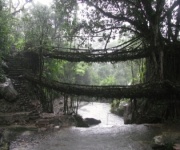
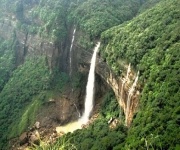
Betel nut culture is one strand of a wider Cherrapunjee experience. A multi-day itinerary can combine local food and village life with Nohkalikai Falls, Mawsmai Cave, forest viewpoints and living root bridges. Longer stays allow visitors to travel more slowly, which is valuable when roads are wet and when a conversation with a host takes longer than a quick sightseeing stop.
Accommodation ranges from hotels and resorts to homestays, and each setting offers a different level of interaction. A homestay may give you the best chance to ask about kwai in an appropriate way, while a resort can provide more privacy and structured transport. Discuss dietary needs, mobility requirements and cultural activities before booking.
If you are arranging a package from Australia, review the route, accommodation, included meals and transfer times carefully. Brisbane and Melbourne travellers may have several flight connections before reaching Guwahati or Shillong, followed by a road journey into the Khasi Hills. Build in a buffer for delayed flights, heavy rain and slow hill traffic rather than scheduling an important departure immediately after a long drive.
A clear itinerary also helps you travel respectfully. You can review attractions, accommodation information and practical details through the site’s travel information sitemap, then select experiences that fit your pace. Ask whether a guide is included, whether village visits are hosted by local residents and whether your payment supports the community directly.
For booking questions, transport arrangements or assistance choosing between a short break and a longer Meghalaya holiday, contact the operator through the Cherrapunjee booking team. Mention your preferred travel dates, Australian departure city, dietary requirements and interest in local culture so the itinerary can be matched to your needs.
Approach kwai with curiosity, consent and sensible health awareness. You do not need to chew betel nut to appreciate its place in Sohra: listening to a host, buying fairly, asking before photographing and leaving natural and community spaces undisturbed are meaningful ways to take part. Plan your Cherrapunjee journey with time for both iconic landscapes and everyday encounters, and let the local culture shape the trip as much as the waterfalls and caves.