




A Guide To Mawjymbuin Cave And Its Stalactite Formations
Mawjymbuin Cave is one of Meghalaya’s most intriguing underground attractions, located near Mawsynram, a hill town famous for receiving some of the heaviest rainfall on Earth. The cave is valued for its unusual limestone formations, cool interior and spiritual associations, making it a rewarding addition to a journey through the Khasi Hills.
For travellers arriving from Australia, the experience is very different from visiting a developed show cave such as Jenolan Caves in New South Wales. Mawjymbuin is a more natural, locally managed destination, where uneven surfaces, seasonal water and limited interpretation are part of the adventure.
The cave can be visited as a day trip from Shillong or included in a wider Meghalaya itinerary covering Cherrapunjee, waterfalls, living root bridges and forest trails. Before setting out, it helps to understand the geology, road conditions, cultural setting and practical requirements.
| Feature | Mawjymbuin Cave | Developed Australian Show Cave |
|---|---|---|
| Setting | Rural Khasi Hills near Mawsynram | Managed national park or reserve |
| Main appeal | Limestone formations and sacred natural features | Guided lighting, platforms and interpretation |
| Access | Road journey followed by a short walk | Usually marked paths and formal facilities |
| Conditions | Damp, dim and potentially slippery | Generally controlled and maintained |
| Best suited to | Curious travellers and nature-focused itineraries | Visitors seeking easy accessibility |
Location And Geological Setting
Mawjymbuin Cave lies near Mawsynram in the East Khasi Hills district of Meghalaya. The area is reached by winding roads through highland villages, grass-covered slopes and forested valleys. Shillong is the most practical larger base, while Cherrapunjee, also known as Sohra or Cherrapunji, can be combined with the cave on a longer circuit.
The cave formed in limestone, a rock that slowly dissolves when rainwater absorbs carbon dioxide from the atmosphere and becomes mildly acidic. Meghalaya’s intense monsoon creates ideal conditions for this process. Water enters cracks in the rock, carries dissolved minerals and gradually enlarges underground passages.
Inside the cave, mineral-rich water leaves deposits of calcium carbonate as it drips from the roof or moves across the floor. A stalactite hangs down from a cave ceiling, while a stalagmite rises from the ground. When the two formations eventually meet, they may create a column. Mawjymbuin’s formations are irregular and natural rather than arranged like exhibits in a museum.
Understanding The Stalactite Formations
The most widely recognised feature is a large natural formation associated with Shiva worship. It is commonly described as a Shiva lingam, with water dripping from a rock formation above it. The feature has spiritual importance for Hindu visitors, and its appearance reflects the way natural landscapes and religious traditions intersect in Meghalaya.
Descriptions of the cave sometimes use “stalactite” and “stalagmite” loosely. The formation seen above the sacred feature is generally understood as a ceiling deposit, while the structure below is a floor formation. This distinction matters because it explains how the cave’s shapes developed over thousands of years rather than being carved by people.
Dim light, moisture and mineral surfaces make the formations appear different from various angles. Avoid touching them, even when a surface looks solid and inviting. Oils from hands can interfere with mineral growth, while accidental knocks can permanently damage formations that took an extremely long time to develop.
Reaching The Cave From Shillong
The journey from Shillong is part of the attraction. The road crosses highland terrain and may take several hours depending on traffic, weather, roadworks and the condition of the vehicle. A private car with a local driver is usually the most comfortable option, especially for travellers carrying day packs or combining several sights.
From Cherrapunjee, the cave can be incorporated into an itinerary that continues towards Mawsynram, although the route should be checked locally before departure. Monsoon rain can slow travel considerably. A journey that appears short on a map may take much longer on narrow, winding roads.
International visitors commonly reach Meghalaya through Guwahati in Assam, which has the nearest major airport. Travellers flying from Sydney, Melbourne, Brisbane or Perth will generally need connections through an Indian metropolitan city before continuing to Guwahati. Allowing extra time for road transfers is wise, particularly if the cave visit forms part of a fixed multi-day package.
Best Time And What To Expect
The most comfortable period for exploring the Khasi Hills is usually from October to April, when rainfall is lower and roads are more predictable. The landscape remains green, and temperatures in the uplands are often pleasant for walking. December and January can feel cool in the morning and evening, so a light fleece is useful.
The monsoon, broadly from June to September, transforms the region with dramatic rain and waterfalls. It also increases the chance of slippery paths, wet cave floors and travel delays. Some visitors deliberately choose this season for the atmosphere, but they should accept that plans may need to change at short notice.
Pack for a damp, uneven environment rather than a polished attraction:
- Shoes with firm grip and closed toes
- A lightweight waterproof jacket or poncho
- A small torch or headlamp, even if local lighting is available
- Quick-drying clothing and a spare pair of socks
- Drinking water, basic medication and personal hand sanitiser
Australian visitors are accustomed to carrying sun protection for outings around Cairns, Adelaide or the Australian bush, but Meghalaya requires a different balance. Rain protection and traction matter as much as sunscreen. A reusable bottle is preferable to relying on single-use plastic at rural stops.
Cave Etiquette And Personal Safety
Mawjymbuin is a natural and culturally meaningful site, so visitors should keep voices low near religious features and follow directions from local guides or caretakers. Photography may be acceptable, but avoid using a bright flash close to other visitors or treating sacred areas as a backdrop for disruptive poses.
The entrance and interior may be wet, with mud, puddles and low sections depending on recent rainfall. Move slowly, keep one hand free for balance and avoid climbing on formations. Families should supervise children closely, while anyone with severe mobility limitations should discuss the conditions with an operator before booking.
A careful visit usually involves:
- Checking local weather and road conditions before leaving
- Carrying a charged phone and a small power bank
- Staying with the group inside and around the cave
- Keeping food, wrappers and plastic out of the site
- Asking permission before photographing local people
Australian travellers may recognise the same “leave no trace” principle used in national parks from Tasmania to Kakadu, but local expectations also include respect for sacred places and community customs. Do not assume that a formation can be touched simply because there is no barrier. Responsible behaviour protects the cave and supports the people who help maintain access.
Building A Meghalaya Itinerary
Mawjymbuin Cave works best as part of a broader route rather than as an isolated attraction. A two-night stay can cover Shillong and a selection of nearby viewpoints, while a three- or four-night plan allows time for Cherrapunjee’s waterfalls, caves and forest walks. Longer holidays can include living root bridges and rural villages without turning every day into a rushed transfer.
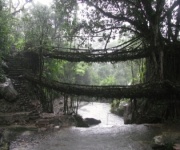
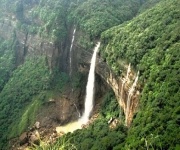
Cherrapunjee offers a useful base for travellers interested in dramatic landscapes. Nohkalikai Falls, Mawsmai Cave, Seven Sisters Falls and the plateau’s viewpoints provide a contrasting mix of open scenery and underground exploration. The living root bridges around the Nongriat area require a demanding descent and climb, so they deserve a separate day for visitors with suitable fitness.
A local operator can also help match the cave with seasonal conditions and available accommodation. The Cherrapunjee travel guide provides information about resorts, hotels, attractions, permissions and multi-day packages, which can simplify planning for visitors unfamiliar with Meghalaya’s road network.
Good pairings for a cave-focused journey include:
- Shillong for markets, cafés and a convenient arrival base
- Cherrapunjee for waterfalls, viewpoints and additional caves
- Mawsynram for the local landscape and high-rainfall environment
- Nongriat for living root bridges and forest scenery
Food and shopping are part of the route too. Shillong’s markets offer Khasi produce, woven goods and local snacks, while village stops may have fewer choices and limited card facilities. Travellers used to tap-and-go payments in Melbourne or Sydney should carry some Indian rupees in smaller notes for roadside refreshments, entry fees and locally made items.
Planning A Comfortable Visit
Accommodation ranges from hotels in Shillong to resorts and guesthouses around Cherrapunjee. Rural properties may have magnificent views but fewer services, intermittent hot water or limited evening transport. Confirm what is included before booking, especially if you need airport transfers, packed lunches, laundry or reliable mobile connectivity.
A package may be worthwhile when it includes a vehicle, driver, accommodation and a flexible schedule. This is especially true during the wet season, when local knowledge can help identify safer routes and adjust sightseeing plans. Independent travellers can still visit, but they should avoid treating online map times as exact travel estimates.
Check passport validity, Indian visa requirements and any current local permissions before travelling. Requirements can change, and nationality-specific rules should be verified through official Indian government channels or a qualified travel provider. Keep digital and printed copies of key documents, accommodation details and emergency contacts.
For Australian visitors, travel insurance should cover medical treatment, road travel and activities in wet or uneven terrain. It is also sensible to tell someone at home about the itinerary, particularly when travelling beyond Shillong. With these preparations in place, Mawjymbuin becomes a memorable encounter with Meghalaya’s geology and living culture rather than a stressful detour.
Include the cave in a tailored Meghalaya holiday through Cherrapunjee.net, where India Beacons Sojourn can help arrange accommodation, transport and sightseeing across the Khasi Hills. Contact the team with your travel dates and preferred pace to create a practical itinerary that includes Mawjymbuin Cave alongside the region’s waterfalls, forests and living root bridges.