





Mawlynnong and the living root bridge
Mawlynnong is a small Khasi village in Meghalaya’s East Khasi Hills, roughly 20 kilometres by winding road from Cherrapunji, also called Sohra. Its green lanes, forested paths and rushing streams place visitors close to one of northeastern India’s most distinctive rural landscapes.
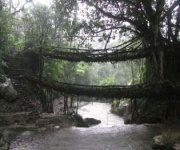
The village is renowned for a living footbridge woven from the roots of a ficus tree. Rather than spanning the stream with concrete or steel, the bridge grows stronger as its roots thicken over time. It is both an engineering achievement and a living reminder of how the community has worked with the natural environment.
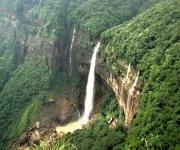
Most travellers use Mawlynnong as part of a Cherrapunji itinerary, combining the bridge with Nohkalikai Falls, Arwah Cave, Seven Sisters Falls and nearby viewpoints. A short visit reveals the village’s peaceful character, while an overnight stay allows time to walk, explore local markets and experience the hills after the day-trip crowds depart.
For Australian travellers, the destination requires some advance planning around flights, Indian visas and mountain roads. The reward is a journey through one of India’s wettest regions, where waterfalls, caves, caves shaded by rock and forests filled with birds and insects create an atmosphere unlike the usual holiday escape.
How the living root bridge took shape
The structure begins with a living ficus tree growing beside the stream. Flexible roots were guided across the water and tied into position, encouraging them to take the desired route. Over successive years, the roots thickened, intertwined and fused into a stable pathway that supports the weight of pedestrians.
Generations of village participation shaped the process. The crossing was not created through one large construction project; it developed gradually through the guiding, joining and maintenance of living roots. The result reflects the practical knowledge of Khasi communities living in a landscape where rainfall, forests and sloping ground influence every form of architecture.
Today, visitors can walk across the bridge while a caretaker helps maintain the roots and surrounding area. A nominal caretaker fee may apply. The crossing is narrow and can become slippery during rain, so visitors should move calmly, use the designated walking surface and avoid placing excessive weight on any particular section.
Exploring the village and nearby trails
Mawlynnong’s tidy lanes, bamboo structures and greenery reflect the village’s strong environmental reputation. The paths around the settlement pass small homes, gardens, resting places and views toward the valley. Walking quietly offers glimpses into everyday Khasi village life, where the community’s matrilineal traditions remain an important part of local identity.
Nearby attractions include the powerful Nohkalikai Falls, Arwah Cave and Dympep Viewpoint. Paths can be steep, wet and uneven, especially during the monsoon, and some attractions work best with a local guide. A sensible day combines one major waterfall or cave with time for the village rather than racing between every viewpoint. Broader regional travel notes can also help with route planning and expectations for Meghalaya’s weather and terrain.
The best season for comfortable walking is generally from October through April, although each month has its own appeal. Spring brings clear skies and cascading water, while the monsoon reveals the region at its most dramatic. Allow a spare day because heavy rain, landslide warnings or temporary road closures can alter plans with little notice.
Choosing a base for your Cherrapunji journey
Mawlynnong is ideal for travellers who prefer village stays, local homestays and an unhurried atmosphere. Accommodation around Cherrapunji and Umiam offers more hotels, restaurants and road access, making it convenient for families or visitors with mobility needs. Shillong provides the widest selection of services, but it sits farther from the village and turns the bridge visit into a longer excursion.
Crafts and produce provide another reason to spend time in the area. The local market guide introduces regional foods, bamboo products and handmade goods sold around Cherrapunji. Ask before photographing artisans, handle objects carefully and check prices rather than assuming every stall accepts the same bargaining practices.
Getting around usually involves a hired car, taxi or shared local transport. Drivers familiar with the hills can negotiate road conditions that may appear simple on a map. For village roads and walking trails, a local guide adds cultural context and helps interpret signs that might otherwise be missed. Light luggage will make transfers and walks considerably easier.
Planning a smooth visit from Australia
Most Australian travellers depart through Sydney or Melbourne before connecting to Guwahati or another gateway for the wider Northeast region. Some routes continue through Bangkok or Singapore, so checked baggage may need to travel on different airlines. Build a buffer into long itineraries and confirm that each ticket includes the final domestic connection before booking.
Australian passport holders normally require an Indian visitor visa or e-visa. Current entry requirements should be checked through the Australian Government’s Smartraveller service and official Indian channels before departure. Those intending to drive should carry a valid Australian licence, an IDP issued in an accepted Geneva Convention format and suitable insurance. Australian IDPs come from state and territory road authorities, and their acceptance in India should be confirmed before travel.
Many Australians are comfortable with left-hand traffic, which is also used in India, though mountain roads present different challenges from Australian highways. Contactless cards are routine in Australia, while small Indian shops, guides and rural stalls may still prefer cash or UPI. Carry modest amounts in small rupee notes, use reputable ATMs and keep a backup payment method. India uses several plug types and generally operates at 230 volts, so a suitable travel adaptor is essential.
Before you book
- Confirm your Indian visa or e-visa status, passport validity and entry conditions before paying for travel.
- Arrange an IDP and insurance if you plan to drive rather than relying on a hired vehicle.
- Ask your accommodation about pickup arrangements, walking access and the best time to visit.
- Leave one flexible day for rain, road delays or a repeat visit to the village.
- Carry identification and keep secure digital copies of your passport, visa and emergency contacts.
What to carry for the trail
- Wear shoes with grip and bring a waterproof layer for paths, bridges and cave floors.
- Pack a compact umbrella, though a light rain shell is better during monsoon conditions.
- Carry small rupee notes for guides, stalls, tea and services that cannot accept cards.
- Bring insect repellent, sun protection and any personal medication you regularly use.
- Use a power bank and universal plug adaptor to manage charging across longer travel days.
Comparing village and town bases
| Factor | Mawlynnong | Cherrapunji and Umiam |
|---|---|---|
| Best stay | Quiet village nights, homestays and nature walks | Hotels, restaurants and faster road access |
| Signature experience | Walking across the living root bridge | Seven Sisters Falls, caves and scenic viewpoints |
| Travel rhythm | One night is rewarding; two allow a slower pace | Convenient for combining several Cherrapunji attractions |
| Transport | Car or local taxi for arrival, walking on village trails | Broader access to taxis and day-trip routes |
| Weather exposure | Slippery paths and stream crossings require care | Waterfalls and viewpoints can become crowded and wet |
Make Mawlynnong part of your next Meghalaya journey
The living root bridge offers more than a remarkable view. It demonstrates how a community can guide natural growth into a useful structure without erasing the tree’s life, creating a landmark that changes subtly with the seasons and remains part of the living forest.
A well-planned visit should balance the bridge with village walks, regional waterfalls and respectful time in local markets. Travelling slowly also reduces pressure on fragile trails and gives guides, homestay hosts and craftspeople more meaningful contact with visitors. You can review the four-night Cherrapunji escape or contact India Beacons Sojourn to arrange a suitable route. Reserve the journey, follow the sound of water into Mawlynnong and leave time for the bridge to surprise you.