




A Guide to Mawmluh Cave and the Landscapes Around Sohra
Mawmluh Cave lies near Sohra, the highland destination formerly known as Cherrapunji, in Meghalaya’s dramatic Khasi Hills. It is a place of limestone chambers, underground streams and narrow passages, yet its importance extends beyond adventure travel. Research from a stalagmite inside the cave helped identify the Meghalayan Age, the youngest interval in the geological time scale.
The cave is part of a wider landscape shaped by extraordinary rainfall, deep valleys and living root bridges. A visit can combine an underground excursion with waterfalls, forest walks, viewpoints and village experiences. The surroundings reward travellers who allow several days rather than attempting to cover every attraction in one rushed outing.
For Australians, reaching Sohra requires a little planning. Most international itineraries connect through cities such as Kolkata, Delhi or Guwahati before continuing by road into Meghalaya. The journey is worthwhile, but conditions are very different from a coastal Australian holiday: roads can be winding, rain can arrive suddenly, and cash remains useful in smaller villages and market areas.
Finding Mawmluh Cave Near Sohra
Mawmluh Cave is located near Mawsmai village, a short drive from the main Sohra area. Local references may call it Krem Mawmluh; “krem” means cave in the Khasi language. The entrance is surrounded by green hills and rural land, but the cave itself quickly becomes a dark, wet and enclosed environment.
The cave system includes several passages and underground waterways. Its length and condition can vary according to weather, exploration records and the route being followed. Visitors should avoid assuming that a standard sightseeing ticket grants access to every section. Some routes require technical caving skills, specialist equipment and formal arrangements.
Road travel is the practical way to reach the area. From Shillong, the drive commonly takes several hours depending on traffic, rain and roadworks. From Sohra’s central hotels and resorts, the cave can be paired with nearby attractions in a full-day itinerary. A local driver or guide can help with directions, access conditions and safe timing.
Australian travellers accustomed to well-marked national park tracks should expect a less predictable experience. Signage may be limited, mobile coverage can disappear and roadside stopping points may not have toilets or card facilities. Download offline maps, carry small Indian rupee notes and leave your accommodation with enough drinking water.
What the Underground Visit Is Like
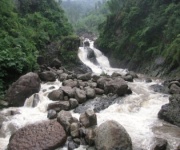
Mawmluh Cave is not a dry, brightly lit attraction. Depending on the season and recent rainfall, visitors may encounter mud, shallow pools, slippery rock and flowing water. The route can involve crouching, stepping across uneven surfaces and using hands for balance. A waterproof bag is valuable for phones, wallets and cameras.
A proper caving guide is strongly recommended. Guides understand the route, weather risks and sections that should be avoided when water levels rise. They can also explain the cave’s geology and local significance, turning a physically demanding excursion into a more meaningful experience.
Wear clothes that can get dirty and shoes with firm grip. Lightweight trekking trousers, a quick-drying shirt and a spare change of clothes are sensible. A headlamp is more useful than relying on a phone torch, while a second light and spare batteries provide extra security. Avoid loose jewellery, open sandals and large backpacks.
The interior may feel cool compared with the humid air outside, but exertion and wet conditions can still cause discomfort. Do not enter if you are uneasy in confined spaces, have balance difficulties or are travelling with young children who cannot follow instructions. Caving is an activity where turning back early is a sensible choice, not a failed visit.
The Geological Story Beneath the Hills
Mawmluh Cave gained international scientific attention because a stalagmite from the cave helped establish the beginning of the Meghalayan Age. Researchers identified chemical evidence of a major climate disruption that occurred around 4,200 years ago. This makes the cave significant to earth science as well as tourism.
The formations inside the cave develop over very long periods as mineral-rich water moves through limestone. Touching, breaking or standing on formations can permanently damage features that took centuries or millennia to form. Visitors should keep to the permitted route and follow instructions about photography, movement and equipment.
This scientific story adds depth to a visit, particularly when a guide explains how rainfall, rock and groundwater interact. Meghalaya’s landscape is famous for waterfalls and green valleys above ground, while caves reveal the slower geological processes beneath them.
Conservation also depends on visitor behaviour. Do not leave food wrappers, batteries or plastic in the cave. Avoid loud music and unnecessary shouting, since underground spaces amplify sound and disturb other visitors. A respectful approach protects the site and supports continued access for local communities and researchers.
Waterfalls, Caves and Viewpoints Nearby
Mawsmai Cave is one of the easiest cave experiences near Sohra and is often included alongside Mawmluh. Its chambers are more accessible for general visitors, although wet rock and uneven surfaces still require care. Arwah Cave offers a different atmosphere, with fossils and natural markings reached through a forested walk.
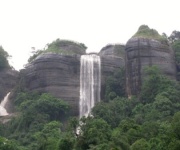
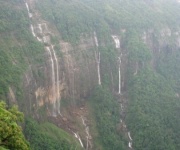
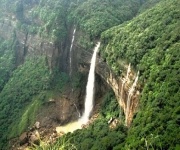
Nohkalikai Falls is one of the region’s most recognisable viewpoints. The waterfall drops from a forested plateau into a vivid blue-green pool, though the colour and flow change with weather and light. Visit early when possible, as mist and tour groups can affect visibility.
Mawkdok Dympep Valley provides a broad roadside panorama of steep green ridges and deep ravines. It is a useful stop during a road-based sightseeing day, especially for travellers who want dramatic scenery without a long hike. Wei Sawdong Falls involves a steeper descent and can be slippery during wet weather, so allow extra time and wear proper footwear.
The surrounding villages also reveal everyday Khasi life. Small stalls may sell seasonal fruit, tea, snacks and locally made goods. In Sohra’s market areas, you may see oranges, betel nut, turmeric, bamboo products and simple prepared foods. Prices are generally modest, but cash in small denominations makes purchases easier than relying on Australian debit cards or contactless payments.
Planning Around Weather and Local Conditions
Sohra is famous for heavy rainfall, and the wettest months can transform tracks and cave entrances within hours. Rain does not always cancel a trip, but it can change the order of activities, reduce visibility and make some cave routes unsafe. Build flexibility into a two- to seven-night Meghalaya itinerary rather than scheduling every attraction to the minute.
The drier months can offer more comfortable walking conditions, although showers remain possible. Temperatures are usually milder than in much of India, particularly in the evenings. Travellers from Brisbane, Sydney or Melbourne should still pack a light waterproof layer, because a cool, damp night can feel surprisingly cold after a day outdoors.
Australians should arrange an Indian visa or e-Visa before departure using the current official requirements for their passport and travel dates. Meghalaya generally does not require the same protected-area process associated with some border regions, but rules can change and specific activities may require permission. Keep passport copies, visa documents and travel insurance details accessible.
India drives on the left, as Australia does, but road behaviour, congestion and overtaking can feel much more intense. Hiring a self-drive vehicle is rarely the easiest option for a first visit to Meghalaya. A local vehicle with an experienced driver is usually more practical, especially on narrow hill roads and during monsoon weather. Drone use should be checked carefully, since Indian aviation rules and local restrictions may apply around public sites, villages and sensitive areas.
Responsible Ways to Visit the Cave
A thoughtful visit begins with realistic expectations. Mawmluh Cave is a natural environment, not a polished theme-park attraction, and access may depend on rainfall, local advice and guide availability. Confirm arrangements before travelling from Shillong or booking a tightly timed flight connection.
Choosing a locally managed itinerary can improve communication and distribute tourism income among drivers, guides, accommodation providers and village businesses. Advice about local tour operators can be especially useful when combining cave access with waterfalls, forest trails and changing weather conditions.
Respect community customs around photography and private land. Ask before photographing people, homes, ceremonies or market sellers. Dress modestly in villages and religious spaces, and avoid treating local residents as part of the scenery. Learning a few simple Khasi greetings can also make interactions warmer.
Practical Recommendations for the Day
- Book a qualified local guide and confirm whether the planned route is suitable for current weather.
- Carry a headlamp, spare batteries, waterproof phone protection and a small first-aid kit.
- Wear closed shoes with strong traction, quick-drying clothing and a lightweight rain jacket.
- Bring drinking water, snacks and small Indian rupee notes for transport, entry fees and market purchases.
- Keep the itinerary flexible enough to replace the cave with a viewpoint or waterfall if conditions deteriorate.
- Follow conservation instructions, leave no rubbish and never touch or remove cave formations.
- Arrange reliable transport back to Sohra before entering areas with limited mobile coverage.
Building Mawmluh Cave into a Meghalaya Holiday
A comfortable plan usually gives Sohra at least two or three nights. One day can cover Mawmluh Cave, Mawsmai Cave and nearby viewpoints, while another can focus on Nohkalikai Falls, Wei Sawdong Falls or a longer forest walk. Extra time allows for rain delays and reduces the temptation to travel quickly on difficult roads.
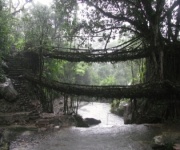
Travellers with more time can continue towards living root bridges, including the famous routes near Nongriat. These excursions involve many stairs and significant physical effort, so they should be treated as separate walking days rather than casual add-ons. Accommodation ranges from local guesthouses to resorts and hotels, with facilities varying between properties.
A seven-night circuit can include Shillong, Sohra and other Meghalaya destinations without making every day a long transfer. Ask about vehicle comfort, breakfast timing, luggage storage and the availability of hot water before booking. Australians may also appreciate confirming whether rooms have heating or extra blankets during cooler, rainy periods.
The best season depends on your priorities. Waterfalls are at their most powerful during the monsoon, while trails and cave access may be more challenging. Clearer viewpoints and easier walking are more likely outside the heaviest rain, but conditions remain changeable. A reputable itinerary provider can adjust the order of activities as local forecasts develop.
Mawmluh Cave deserves attention because it combines adventure, science and a strong sense of place. Plan the excursion with care, travel respectfully and allow enough time to appreciate the surrounding valleys, villages and waterfalls. Browse suitable Cherrapunjee packages and contact the local team at India Beacons Sojourn to arrange a safe, well-paced Meghalaya holiday built around your travel dates.