




A Guide to the Mawryngkhang Trek and Its Bamboo Bridges
High in the East Khasi Hills of Meghalaya, the Mawryngkhang Trek leads through a landscape of forested ridges, open valleys, and dramatic rock formations. The route is best known for its bamboo bridges, narrow hillside walkways, and the striking stone landmark called Mawryngkhang, often described in local stories as the “King of Stones.”
The trail is located near Wahkhen village, away from the busiest sightseeing circuit around Sohra, also known as Cherrapunji. That extra distance rewards walkers with a quieter experience and a closer look at the relationship between Khasi communities and the surrounding hills. Bamboo is used here as a practical, renewable building material, creating footbridges and railings that blend into the landscape.
Although the walk is relatively short compared with a full-day mountain expedition, it should not be treated as a casual stroll. Steep steps, uneven ground, narrow ridgelines, humidity, and rain can make the journey physically demanding. With sensible preparation and enough time, it becomes one of Meghalaya’s most memorable outdoor experiences.
What Makes The Trail Special
Mawryngkhang is a natural rock formation set among rolling green hills and deep valleys. The name is associated with local Khasi folklore, which gives the stone and nearby formations a strong cultural identity rather than making them simply scenic viewpoints. The landscape feels especially impressive when clouds move across the ridges and reveal distant layers of Meghalaya’s plateau.
The walk combines several kinds of terrain within a compact route. Visitors pass through wooded sections, climb bamboo and concrete steps, cross elevated bridges, and reach exposed viewpoints above the valley. The changing scenery keeps the trek engaging, while the final approach to the rock creates a satisfying sense of arrival.
The bamboo construction is an important part of the experience. Local builders use bamboo poles for handrails, steps, bridges, and support structures, often adapting the route to steep slopes and seasonal conditions. These features may look delicate, but they reflect practical knowledge developed in a region where bamboo is abundant and traditional craftsmanship remains part of everyday life.
Reaching Wahkhen From Cherrapunji
Wahkhen lies in the Pynursla area of Meghalaya, east of Sohra. Travel time depends on the starting point, road conditions, traffic, and stops along the way, so it is wise to begin early. A private vehicle or local taxi gives the greatest flexibility, particularly if the trek is combined with other attractions in the Khasi Hills.
The approach includes winding roads and stretches where mobile connectivity may be limited. Drivers familiar with Meghalaya’s rural routes are useful because weather can change quickly, and some roads become slower after heavy rain. Visitors staying in Cherrapunji should plan the outing as a full-day excursion rather than trying to fit it between nearby waterfalls.
A multi-day stay makes the journey easier to manage. Travellers comparing accommodation, transport, and sightseeing options can review this Cherrapunji travel package when building a Meghalaya itinerary. A good plan leaves enough time for the drive, the walk, rest stops, and changing weather.
Wahkhen village is also part of the destination’s appeal. Beginning the trek here gives visitors a sense of place and a chance to appreciate the local setting before entering the forest path. Responsible travellers should follow community guidance, use designated routes, and avoid treating village spaces as photo props.
Trail Experience And Timing
The Mawryngkhang route is commonly described as a moderate trek, though the difficulty varies according to fitness, weather, and trail condition. The walking distance is manageable for many active travellers, but the repeated climbs and descents can be tiring. Allow several hours for the complete outing, including pauses for photographs and time at the viewpoints.
The trail generally begins with a gradual approach before becoming steeper and more structured. Bamboo steps and railings assist in several sections, while other parts may involve exposed rock, packed earth, or damp roots. Some bridges are narrow, so walkers should cross one at a time and keep their hands on the rail where appropriate.
The best time to walk is usually during the drier months, from around October to April, when visibility is often better and the trail is less saturated. The monsoon creates lush scenery and flowing streams, but rain also increases the chance of slippery steps, muddy surfaces, reduced visibility, and maintenance work on bamboo structures. Always check current local conditions before setting out.
| Trail consideration | What to expect | Practical approach |
|---|---|---|
| Walking time | Several hours with breaks | Start early and avoid rushing |
| Difficulty | Moderate, with steep sections | Use steady pacing and rest often |
| Surface | Bamboo steps, earth, rock, and roots | Wear shoes with strong grip |
| Weather | Humid, changeable, and rainy at times | Carry a light waterproof layer |
| Route features | Narrow bridges and exposed viewpoints | Cross carefully and follow local signs |
| Connectivity | Signal may be inconsistent | Download directions and share your plan |
Crossing The Bamboo Bridges
The bridges are among the most distinctive features of this Meghalaya hiking trail. Built across small drops, sloping ground, and uneven sections of the hillside, they make it possible to follow a route that would otherwise be difficult to navigate. Their natural appearance is part of their charm, but they should always be treated as functional structures rather than adventure-park attractions.
Conditions can vary from one bridge to another. Some stretches have sturdy handrails and broad footing, while others feel narrower and require slower movement. Do not jump, run, swing on the rails, or crowd another walker. If a sign indicates a limit on the number of people, follow it without exception.
Bamboo can weather naturally under Meghalaya’s heavy rainfall, so maintenance is an ongoing process. A bridge that looks different from photographs taken in another season may have been repaired or replaced. Visitors should never step onto closed sections or attempt to bypass barriers for a better photograph.
Photography is best done from stable ground. The valley views, bamboo textures, mist, and forest canopy offer plenty of subjects without requiring risky poses. Keeping the camera secured with a strap is helpful, especially on windy viewpoints or while using both hands for balance.
Safety And Responsible Trekking
Good footwear is the most important item for this walk. Choose trekking shoes or trail shoes with firm soles and dependable grip rather than smooth casual trainers. Lightweight clothing, sun protection, insect repellent, and a small backpack will make the route more comfortable. Even on a bright morning, carry rain protection because showers can arrive quickly in Meghalaya.
Water and snacks are essential, particularly if shops are limited near the trailhead. Bring a reusable bottle and pack food that can withstand warmth and movement. A basic first-aid kit, personal medicines, a power bank, and a waterproof pouch for electronics are useful additions. Keep the backpack light because steep sections become harder when carrying unnecessary weight.
Walk within your ability and tell your driver, accommodation provider, or travel companion about your expected return time. Children and inexperienced walkers should remain close to their group, especially near exposed edges and bridge approaches. Anyone with serious knee, balance, or mobility concerns should consider the repeated steps before committing to the route.
Rainwater, discarded packaging, and damage to plants can quickly affect a fragile hillside environment. Carry every wrapper back with you, avoid loud music, and do not carve names into bamboo or rock. Stay on the established path, respect village customs, and ask before photographing residents or local activities.
Planning A Comfortable Day
An early departure helps avoid the strongest midday heat and leaves a margin for delays on the approach road. It also improves the chance of enjoying the viewpoints before clouds become thicker. Since the return drive can take time, avoid scheduling a late-evening activity immediately afterward.
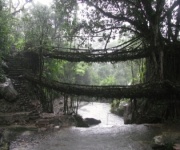
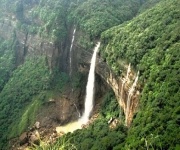
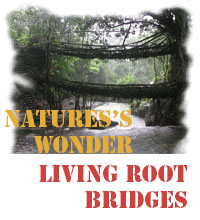
The trek pairs well with a broader Meghalaya itinerary that includes Cherrapunji waterfalls, living root bridges, caves, forest viewpoints, and village visits. However, combining too many distant attractions on one day can turn a scenic outing into a rushed drive. The Mawryngkhang route deserves space in the schedule, particularly for travellers who enjoy photography or want to pause on the bridges.
Local advice is valuable because trail access and bridge conditions can change after storms. A knowledgeable driver or guide can help with the route to Wahkhen, timing, parking, and current restrictions. It is also worth confirming whether an entry contribution, local guide fee, or community rule applies when you arrive.
Keep expectations realistic. This is a rural hill trek, not a fully developed amusement attraction with uniform steps and polished facilities. Its appeal comes from the living landscape, local construction methods, and sense of discovery. Flexibility will make the day more enjoyable if rain, maintenance, or visibility alters the original plan.
Practical Checklist For The Walk
A small amount of preparation can make the bamboo bridge trek safer and more rewarding:
- Wear grippy walking shoes with ankle support if you are comfortable using them.
- Carry drinking water, light snacks, a rain jacket, sun protection, and insect repellent.
- Pack a phone power bank, basic first-aid supplies, personal medication, and a waterproof pouch.
- Start early, share your route plan, and allow several hours for walking and return travel.
- Follow local instructions, cross bridges slowly, and take all litter back with you.
Check the forecast and ask locally about recent rainfall before leaving. During or soon after the monsoon, extra caution is necessary because wet bamboo, muddy ground, and swollen drains can make the route more demanding than expected. If conditions appear unsafe, postponing the walk is a better choice than forcing the itinerary.
The most rewarding visit is one that balances adventure with respect. Take time to notice the forest, learn about Khasi bamboo craftsmanship, and enjoy the views without damaging the structures that make the trail distinctive.
Include Mawryngkhang in a carefully paced Meghalaya holiday and let the day unfold around the walk rather than treating it as a quick stop. Arrange your Cherrapunji stay, transport, and sightseeing plans in advance so you can reach Wahkhen early, explore the bamboo bridges responsibly, and return with enough time to enjoy the rest of Sohra.