




A Guide To The Monoliths Of The Khasi Heritage Village
The Khasi Heritage Village near Mawphlang offers a thoughtful way to encounter Meghalaya’s indigenous culture beyond its famous waterfalls and living root bridges. Set in the green hills of the East Khasi Hills, the village presents traditional Khasi architecture, community customs and stone monuments in a landscape that feels connected to the surrounding forest.
For visitors from Australia, this is an especially rewarding stop on a Cherrapunjee holiday. It provides context for the region’s sacred groves, clan traditions and memorial stones before or after exploring Sohra’s caves, rain-fed cascades and dramatic valleys. The site is close enough to Shillong for a day visit, while also fitting comfortably into a multi-day Meghalaya itinerary.
The word “monolith” usually brings to mind a single upright stone, but Khasi megalithic traditions include several forms. Some stones stand vertically as memorial markers, while others are arranged as horizontal slabs or seats associated with remembrance and communal gatherings. Their significance comes from Khasi history and customary practice rather than from mystery or speculation.
A visit is best approached as a cultural experience, not simply as a photo stop. Take time to observe the layout of the village, listen to a local guide, dress respectfully and avoid climbing on stones or entering buildings without permission. The setting rewards travellers who move slowly and treat the monuments as part of a living heritage.
Where The Heritage Village Is Located
The Khasi Heritage Village is situated at Mawphlang, approximately 25 kilometres from Shillong, depending on the route and starting point. It is commonly visited alongside the Mawphlang Sacred Forest, one of Meghalaya’s best-known natural and cultural attractions. From Shillong, the drive generally takes around one to one and a half hours, although winding roads, traffic and weather can extend the journey.
Travellers staying in Cherrapunjee, also known as Sohra or Cherrapunji, can include Mawphlang on a route between Shillong and the plateau around Sohra. The distance is manageable, but it should not be treated as a quick roadside stop if you want enough time for the village, forest and nearby viewpoints. A private car with a local driver is usually the most practical option for families and small groups.
For Australian visitors, flights from Sydney, Melbourne, Brisbane or Perth commonly involve a connection before reaching Guwahati, the nearest major airport in Assam. From Guwahati, the overland journey to Shillong can take several hours. Building in a recovery night and avoiding an overly tight connection is sensible, particularly during the wet season when road conditions can change quickly.
Shillong’s elevation gives it a cooler climate than much of the Indian subcontinent, while Mawphlang can feel damp and chilly even when Australian cities are experiencing bright summer weather. Australian school-holiday travellers should reserve accommodation and transport early, especially around December, Easter and the June-to-September monsoon period.
Understanding Khasi Monoliths And Their Meaning
Khasi stone monuments are linked with remembrance, family identity, community life and the honouring of ancestors. Upright stones are often understood as markers connected with men and horizontal stones with women, although interpretations can vary according to locality, tradition and the guide explaining the site. It is best to treat these associations as part of a cultural system rather than applying a single definition to every stone.
The monuments are not designed as decorative garden features. They reflect the Khasi relationship with ancestry, land and collective memory. A group of stones may represent a family, clan or community, and their arrangement can carry meaning that is not immediately visible to an outside visitor. The Khasi social system has historically placed strong importance on kinship, with inheritance traditionally following the mother’s line.
The village display helps visitors recognise the difference between a natural boulder, a ceremonial stone and a constructed memorial arrangement. Some structures evoke traditional settlement patterns, while the monoliths create a physical link between the present-day cultural centre and older Khasi practices. Guides can explain local terms and customs more accurately than a brief sign or internet caption.
Photography is generally acceptable in outdoor areas, but a respectful approach matters. Ask before photographing people, ceremonies or interiors, and do not pose in ways that treat a memorial stone as a climbing frame. Visitors accustomed to unrestricted access at outdoor attractions in Australia may need to adjust to the idea that cultural access depends on permission and local etiquette.
What To See Around The Stone Displays
The monoliths are one part of a wider heritage setting. The Khasi Heritage Village includes representations of traditional huts and community spaces, giving visitors a chance to see how building materials, roof forms and domestic layouts respond to the hill climate. Wooden structures, thatched or sloping roofs and raised elements reflect practical adaptation to heavy rainfall.
The surrounding Mawphlang area is equally important. The Sacred Forest is protected through customary beliefs and community stewardship, and local guides often point out native plants, moss-covered trees and features associated with Khasi tradition. Do not remove leaves, flowers, stones or fallen objects from the forest. The visit is more meaningful when the landscape is treated as a cultural site rather than an ordinary park.
Before travelling, browse the photo album to get a visual sense of Meghalaya’s terrain, village architecture and changing weather. Images can help with planning, but conditions on the day may look quite different: mist can hide distant views, and monsoon rain can turn a clear path into a slippery one within minutes.
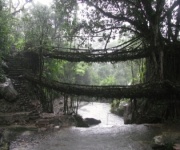
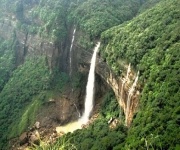
A heritage visit can be paired with nearby attractions such as Shillong’s museums and markets, Mawlynnong village, scenic viewpoints or the road towards Sohra. A longer package may also include Nohkalikai Falls, Mawsmai Cave, Arwah Cave and living root bridges. Combining cultural sites with natural attractions gives a more balanced understanding of the Khasi Hills.
Practical Planning For A Comfortable Visit
Wear shoes with reliable grip, particularly during the monsoon. Lightweight waterproof layers are more useful than a heavy winter coat, while a small umbrella, quick-drying trousers and a dry bag can protect phones and cameras. Even in the drier months, mist and sudden showers are common in the hills.
Australian travellers should carry their passport, visa documentation, travel insurance details and copies of important bookings. India’s entry requirements can change, so check the current official visa information before departure. International visitors should also keep some Indian rupees available for small entrance fees, local purchases and transport, as card facilities may be limited outside larger hotels and businesses.
The following essentials are useful for a day at Mawphlang:
- Grippy walking shoes with covered toes
- A light rain jacket or compact umbrella
- Reusable water bottle and small snacks
- Insect repellent, sunscreen and personal medication
- Phone power bank and waterproof pouch
- Passport copy, visa details and emergency contacts
Dress modestly and comfortably. Shoulders and knees covered by light clothing are a practical choice for cultural and religious settings, and a scarf can be useful in cool weather. Australians used to casual beachwear in places such as Cairns or Gold Coast should pack a more conservative outfit for village visits and sacred areas.
Food options may be simpler than those available in Sydney, Melbourne or Adelaide, so travellers with allergies or dietary requirements should carry suitable snacks and explain their needs clearly. Khasi and broader North-East Indian food can include rice, pork, fish, vegetables and strong local flavours. Bottled or filtered drinking water is the safer choice for visitors who are not accustomed to local water supplies.
Choosing The Best Time And Tour Style
The dry and cooler months from roughly October to April are often the easiest period for sightseeing, with better visibility and more predictable walking conditions. December and January can feel surprisingly cold in the early morning, especially for visitors arriving from warm Australian cities. A fleece or warm layer is useful even when the daytime forecast looks mild.
The monsoon, generally strongest from June to September, brings the lush appearance for which Meghalaya is famous. It can also bring heavy rain, slippery paths, road delays and limited visibility. Travellers who accept a flexible schedule may enjoy the dramatic atmosphere, but those planning a sequence of flights, hotel check-ins and timed activities should allow generous buffers.
A short visit can combine Shillong, Mawphlang and one or two Sohra attractions. A longer two- to seven-night holiday allows time for caves, waterfalls, forest walks, village experiences and the region’s famous living root bridges without rushing each stop. This pace suits Australian couples, families and small groups who prefer a guided cultural journey over a checklist of viewpoints.
Keep these planning points in mind when selecting a package:
- Allow extra road time for rain, traffic and hill routes
- Confirm whether entrance fees and local guides are included
- Check walking distances before travelling with young children
- Keep one flexible day for weather-related changes
- Choose accommodation with reliable transport access
- Reserve during Australian and Indian holiday periods
A local guide can explain why a particular stone arrangement matters, identify customs that are easy to miss and help visitors communicate respectfully. Guides also know when a forest path is unsafe or when weather makes a viewpoint impractical. Their knowledge adds depth that a self-guided photograph cannot provide.
The Khasi Heritage Village is most memorable when approached with patience. Pause beside the stone displays, notice the relationship between buildings and landscape, and listen to explanations about kinship and ancestral respect. Then carry that context into the rest of the journey, from the sacred forest at Mawphlang to the rain-carved cliffs and bridges around Sohra.
Plan your Meghalaya holiday with a route that gives Mawphlang the time it deserves rather than squeezing it between unrelated stops. For accommodation, transport and tailored Cherrapunjee tour packages, contact the booking team and arrange a cultural journey through the Khasi Hills.