



Night Sky Viewing Spots Around Cherrapunjee
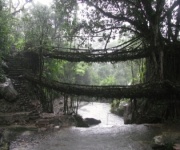
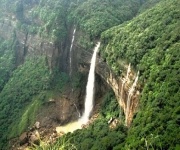
Cherrapunjee, also known as Sohra or Cherrapunji, is famous for living root bridges, dramatic waterfalls and some of the wettest weather on Earth. It also offers something quieter after sunset: dark rural landscapes where the Milky Way can emerge between clouds, hills and forest silhouettes. The experience is less about a formal observatory and more about finding a safe, open viewpoint away from the strongest village lights.
For travellers from Australia, Sohra provides a very different night-sky setting from the outskirts of Sydney, Melbourne or Brisbane. There are no large suburban suburbs stretching continuously across the horizon, and many viewpoints become genuinely dark once guesthouse lights are reduced. Clear skies are never guaranteed, though. Meghalaya’s moisture, fast-moving cloud and mist can change the view within minutes.
The best results come from treating stargazing as one part of a wider Meghalaya journey. A waterfall walk, cave visit or root-bridge excursion can fill the daylight hours, while a carefully timed evening at a rural viewpoint gives you the chance to see stars, planets and perhaps the Milky Way. Planning around the moon, weather and local access is far more useful than simply choosing the highest lookout.
When To Plan Your Stargazing Trip
Sohra’s dry season, broadly from October to April, usually offers the most practical conditions for night-sky viewing. November through February can bring clearer and cooler nights, while March and April may offer comfortable temperatures before the heavier pre-monsoon weather arrives. Even during the drier months, cloud banks can form quickly over the plateau.
The monsoon season is spectacular for waterfalls but generally less reliable for astronomy. From May to September, thick cloud, rain and saturated air may obscure the stars completely. If you travel during this period, keep your plans flexible and consider the night sky a bonus rather than the main purpose of the trip.
Moonlight affects the experience as much as cloud cover. A new moon or the few nights around it create the darkest conditions for viewing the Milky Way, while a bright moon can illuminate cliffs, trees and village paths attractively. Check a reliable weather forecast and a moon-phase app shortly before heading out, since conditions in the Khasi Hills can differ from the forecast for Shillong or Guwahati.
Finding Dark-Sky Viewpoints Near Sohra
Mawkdok Dympep Valley is one of the most accessible places to consider for an evening landscape beneath the stars. The broad valley and open ridgelines can provide a generous horizon, although roadside lighting, passing vehicles and nearby stalls may affect the darkest views. Arrive before sunset to identify a stable place to stand and to avoid moving around unfamiliar ground after dark.
The rural roads and viewpoints around Laitkynsew and the Nongriat region can feel darker than central Sohra. However, the famous living root bridge routes involve steep steps, forest paths and uneven terrain. They are better explored during daylight, with night-sky viewing planned from accommodation or an established open area rather than from a forest trail.
Some travellers also look towards the quieter stretches near Nongsawlia and the plateau edges outside the busiest visitor areas. The best location can change according to your resort, transport and cloud direction. Ask a local guide or accommodation host to identify a permitted, safe viewpoint; they will know which paths become slippery, which gates close early and where village activity continues after sunset.
What Makes A Good Viewing Location
A useful stargazing site needs more than darkness. Look for an open view above the tree line or across a valley, a firm surface for standing, and enough space to set up a camera without blocking a road. Avoid cliff edges, wet rocks and exposed ledges, especially when mist makes depth difficult to judge.
Light pollution is usually strongest around Sohra’s commercial centre, hotels, road junctions and busy attractions. A short drive can make a noticeable difference, but the darkest place is not automatically the best place. A remote road without lighting may create unnecessary risks from traffic, livestock, sudden drops or poor mobile coverage.
Use this simple checklist when comparing possible spots:
- A broad, unobstructed view facing away from village lights
- Safe access before sunset and a clear route back
- Firm ground without slippery grass, loose stones or cliff edges
- Permission to remain after dark if the land is privately managed
- A nearby driver or guide who can wait rather than leave you stranded
- Weather conditions that allow a clear view of the sky
For visitors accustomed to Australian dark-sky reserves, the experience may feel more informal. Cherrapunjee does not offer the same widespread network of purpose-built astronomy facilities found at selected Australian outback destinations. Its appeal lies in the combination of darkness, misty hills and local landscapes, with comfort and safety arranged through a hotel, resort or guide.
Staying Comfortable In Meghalaya’s Night Air
Sohra nights may feel cool, damp and surprisingly chilly after a warm day. Moisture settles on clothing, camera equipment and seating surfaces, while wind can rise suddenly along exposed ridges. A lightweight waterproof jacket, warm layer and shoes with good grip are practical even when the daytime forecast looks mild.
Pack a small red-light torch or cover a regular torch with red film to protect night vision. Keep ordinary phone screens dim and use night mode where possible. A power bank is useful because cold, damp conditions and repeated photography can drain a phone quickly, while rural viewpoints may have no convenient charging access.
Australian travellers often bring a familiar habit from camping trips: carrying water, a compact first-aid kit and a layer for the evening. Add insect repellent, tissues, a sit mat and a dry bag for electronics. Do not depend on a picnic fire for warmth, and never light one near grass, forest or a village area without explicit local permission.
Equipment And Photography Tips
The naked-eye view is often more rewarding than a complicated camera setup. Give your eyes 20 to 30 minutes to adjust after leaving bright lights, and avoid checking a white phone screen repeatedly. On a clear night, you may see bright planets, major constellations and the pale band of the Milky Way, depending on the season and moonlight.
For a camera, a wide-angle lens, sturdy tripod and manual controls are more valuable than a large telephoto lens. Begin with a wide aperture, a high ISO and an exposure of several seconds, then adjust according to the amount of movement in the stars and the brightness of the landscape. A headlamp with a red setting helps you work without flooding the area with white light.
Humidity creates condensation when cold equipment is brought into a warmer room. Place the camera in a sealed bag before returning indoors and allow it to warm gradually. Keep lenses covered when you are not shooting, and carry a microfibre cloth. These small precautions matter in a region where mist and rain can arrive with little warning.
Do not use a drone at night unless you have confirmed that the flight is legal and permitted at the specific location. India’s drone regulations classify aircraft by weight and impose operating requirements, while local restrictions may apply near sensitive sites. A tripod photograph is usually simpler, quieter and more respectful of nearby communities.
Responsible Night Travel Around Villages
Many dark-sky viewpoints are close to Khasi villages, farmland, forests and culturally significant places. Keep voices low, do not shine torches into homes, and avoid walking through fields or entering structures without permission. A dark location is not an invitation to treat the surrounding land as an empty public park.
Leave no food packaging, batteries or tissues behind. Avoid loud music and limit vehicle headlights when parked. If a local family, resort or guide helps you access a viewpoint, pay any agreed fee and consider booking transport or a meal through local businesses. The local market benefits when visitors spend carefully rather than treating the area as a free backdrop.
Photography should respect people as much as scenery. Ask before photographing residents, homes, ceremonies or private land. Australian travellers should also remember that familiar outdoor habits from a national park may not apply in Meghalaya; local customs, site rules and guidance from village authorities take precedence.
For a trip that combines night-sky opportunities with caves, waterfalls, viewpoints and bridges, review the six-night Cherrapunjee itinerary. A multi-day schedule gives you several chances to find a clear evening instead of relying on one night.
Safety, Transport And Local Planning
Avoid setting off alone on unfamiliar roads after dark. Arrange a driver, guide or resort transfer in advance, and confirm the return time before leaving. Taxis may be less readily available late at night than they are during the day, particularly outside central Sohra. Save accommodation details offline and carry a small amount of Indian currency for places that do not accept cards.
The journey to Meghalaya commonly begins through Guwahati, Assam, followed by road travel into the hills. Road conditions, traffic and weather can make the transfer take longer than a map suggests. Build in rest time after arrival rather than planning a night viewpoint immediately after a long airport transfer.
Visitors from Australia should check current Indian visa requirements through official government channels before departure. Australian passport holders generally need appropriate permission to enter India, and requirements can change. Carry copies of your passport, visa, insurance details and emergency contacts, while storing digital copies securely. Travel insurance should cover medical treatment, cancellations and activities you genuinely plan to undertake.
Australian everyday habits can require adjustment here. Tap-and-go payment is common in Australian cities, but smaller Meghalaya businesses may prefer cash or have intermittent connectivity. GST-inclusive pricing is familiar in Australia, while Indian bills may show taxes and service charges differently. Confirm the final amount before booking a vehicle, guide or private viewpoint, and keep receipts for organised tours.
Building A Flexible Evening Itinerary
A successful stargazing evening usually begins with an early dinner and a weather check rather than a late rush. Leave town before the sky becomes fully dark, allow time to find your viewpoint, and settle in while there is still enough light to see the ground. This approach also lets you enjoy sunset colours across the valleys.
Keep an alternative plan for cloudy conditions. A cave visit, local food experience, cultural conversation or quiet evening at a resort can replace the viewing session without wasting the night. Multi-day holidays work especially well because a clear sky may appear unexpectedly after a rainy afternoon.
Use the following rhythm as a practical guide:
- Spend the afternoon at a waterfall, viewpoint or nearby village
- Return to your accommodation before dark to collect warm and waterproof layers
- Travel with a pre-arranged driver or guide to an agreed viewing area
- Keep lights low and allow your eyes time to adapt
- Photograph for a while, then spend time simply observing
- Return before roads become misty, empty or difficult to navigate
The night sky is only one part of Cherrapunjee’s character. Mist may close in, clouds may hide every star, or the moon may be brighter than expected. A flexible itinerary turns those changes into part of the experience rather than a failed promise.
Plan your Meghalaya holiday around several evenings in and around Sohra, and give yourself the best chance of a clear, memorable sky. Contact India Beacons Sojourn through Cherrapunjee.net to discuss accommodation, transfers and a package suited to your travel dates, then set out with local guidance, respectful habits and enough time to look up.