





A practical guide to the Wei Sawdong waterfall trek
Wei Sawdong Waterfall is one of the most striking places to visit around Sohra, the destination widely known as Cherrapunji. Hidden among Meghalaya’s forested hills, the waterfall drops through several turquoise pools and narrow rock channels, creating a dramatic setting that feels far removed from the main roads and busy viewpoints.
The walk is short in distance but demanding in places. A steep stairway leads down through thick greenery to the falls, and the return climb can be tiring, particularly after rain. Good footwear, sensible timing, and care on wet stone matter more here than speed.
This guide covers what to expect, how to prepare, when to visit, and how to fit the waterfall into a wider Meghalaya holiday. Travellers planning several stops around Sohra can also use the Cherrapunjee travel guide to explore nearby caves, waterfalls, resorts, and multi-day itineraries.
What makes Wei Sawdong special
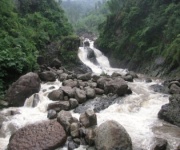
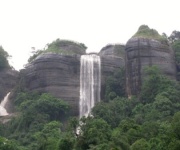
Wei Sawdong is known for its layered appearance. Water flows down a series of rocky shelves, forming multiple sections and pools that appear one above another from the viewpoint. The name is commonly associated with the local Khasi landscape, where “wei” refers to water or a waterfall. The surrounding forest, dark rock faces, and clear pools give the site a character different from the broad cascades seen at larger Meghalaya attractions.
The waterfall is particularly photogenic after the monsoon, when the flow is strong and the vegetation is vivid. During periods of heavy rain, however, the water may become muddy, the steps can turn slick, and access may be more difficult. The pools are attractive, but visitors should avoid assuming that every section is safe for swimming. Currents, submerged rocks, and sudden changes in water level can create risks.
The attraction is best approached as a nature walk rather than a quick roadside stop. The descent opens gradually through the forest, with occasional views of the falls and valley. Once at the lower level, the sound of rushing water becomes louder, and the surrounding cliffs create a cool, shaded atmosphere.
Getting there from Sohra
Wei Sawdong lies within the wider Sohra area and is most conveniently reached by road from Cherrapunji town. Most visitors hire a local taxi or include the waterfall in a private sightseeing circuit. A driver familiar with the area is useful because the access road and local landmarks may be easier to identify with regional knowledge than through assumptions based on map applications.
The final approach usually includes a parking or drop-off area followed by a marked route toward the waterfall. Conditions can change with weather, maintenance, and local access arrangements, so it is sensible to check current directions before leaving your hotel. Mobile connectivity may be inconsistent, and online maps should not be your only source of navigation.
A visit can be combined with other attractions in the same general region, such as Dainthlen Falls, Wei Sawdong’s nearby viewpoints, Mawsmai Cave, Arwah Cave, or the Seven Sisters Falls area. Avoid packing too many distant locations into one day. The waterfall trek takes energy, and road travel through the hills is slower than the distance on a map may suggest.
Understanding the waterfall trek
The trail to Wei Sawdong is not a long wilderness hike, but it involves a substantial stairway and uneven sections. The descent may feel straightforward at first, while the uphill return demands steady effort. Some steps are narrow or irregular, and damp moss can reduce grip. Take a measured pace, especially when carrying cameras, children, or backpacks.
Allow enough time to walk down without rushing, enjoy the lower viewpoint, and climb back up comfortably. The exact duration depends on fitness, crowd levels, weather, and how often you stop for photographs. Older travellers and anyone with knee, ankle, or breathing concerns should consider the return climb before committing to the route.
The lower area can become crowded during weekends, holidays, and peak travel months. Early arrival generally offers softer light, cooler conditions, and a quieter experience. It also leaves more flexibility if rain begins or if the trail takes longer than expected. Keep to established paths and avoid climbing wet rock ledges for a closer photograph.
| Planning factor | What to expect | Practical approach |
|---|---|---|
| Route | A steep descent with steps and uneven ground | Walk slowly and use available handrails |
| Time needed | Varies with fitness, stops, and crowd levels | Keep several hours free rather than rushing |
| Best conditions | Clear or lightly cloudy weather after heavy rainfall has eased | Check the local forecast before departure |
| Footwear | Wet, muddy, and sometimes slippery surfaces | Wear shoes with firm traction |
| Facilities | Basic visitor facilities may vary by season and location | Carry water, tissues, and small essentials |
| Photography | Layered falls, pools, forest, and rock walls | Protect equipment from rain and keep away from edges |
| Return journey | The uphill climb can be strenuous | Rest in shaded areas and conserve energy |
Choosing the right season
The monsoon gives Meghalaya its famous green landscape and fills its waterfalls, but it also brings the most difficult trekking conditions. Heavy showers can arrive quickly, visibility may fall, and steps can become slippery. Landslides or temporary road interruptions are possible in the wider hill region. Travellers visiting during the rainy season should build flexibility into their plans rather than treating every attraction as guaranteed.
The period after the heaviest rains often offers a useful balance. The forest remains lush and the waterfall still has an impressive flow, while roads and walking surfaces may be more manageable. Exact conditions vary each year, so a local driver, hotel, or tourism contact can provide more relevant information than a general seasonal description.
Winter and the drier months are often more comfortable for walking. The trail may be less muddy, the sky can be clearer, and photography conditions may improve. Water volume can be lower than during the monsoon, though the falls remain attractive. Mornings are usually preferable because temperatures are comfortable and the site may be less busy.
What to carry and how to stay safe
Wear closed shoes with a strong sole. Trainers with worn-down tread are a poor choice for slick stairs, while sandals can leave feet vulnerable to mud, sharp stones, and accidental slips. Lightweight clothing works well, but bring a rain jacket or compact umbrella because showers in Sohra can be unpredictable.
Carry drinking water and a small snack, especially if you plan to visit several places in one day. A waterproof pouch is useful for phones, wallets, medicines, and documents. Keep plastic and food packaging with you until you find a proper bin. Meghalaya’s natural sites benefit when visitors leave the forest and stream areas clean.
Stay behind barriers and respect signs or instructions from local staff. Do not enter pools when the current is strong, and never stand beneath unstable rock faces. Children should remain close to adults on the stairway and around water. If you feel dizzy or exhausted, stop in a safe place rather than trying to finish the climb without a break.
A local guide can be valuable for visitors who want help with route-finding, photography locations, or regional stories. Guides and drivers may also know about temporary closures and weather-related changes. Follow local guidance even when an online post suggests that a particular route or viewpoint is accessible.
Building a Sohra day around the falls
Wei Sawdong works well as a morning or early afternoon activity. Starting early allows time for the trek before the strongest heat and leaves room for nearby sights. A possible day could include one waterfall, one cave, and a scenic viewpoint, with time for lunch and unhurried road travel. The ideal schedule depends on where you are staying and how long you want to spend at each stop.
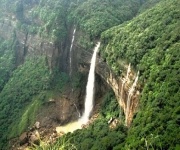
Mawsmai Cave is a popular addition for travellers interested in limestone formations and a short underground experience. Dainthlen Falls offers a different visual style, with water spreading across a rocky setting and stories connected to Khasi folklore. Nohkalikai Falls is another major landmark, though it may be better placed on a separate route depending on your accommodation and the day’s driving plan.
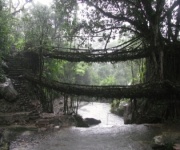
Visitors who enjoy longer walks may choose to extend their Meghalaya holiday toward living root bridges and village trails. These excursions require more time and physical preparation than the Wei Sawdong route. Combining them thoughtfully creates a richer experience than attempting every attraction in a tightly compressed itinerary.
Accommodation in Sohra ranges from hotels and guesthouses to nature-focused resorts. Staying locally makes an early start easier and reduces the need to travel from Shillong before the trek. If you need help arranging transport, accommodation, or a tailored sightseeing package, the booking team can provide information for a Cherrapunjee trip.
Responsible travel in the Khasi hills
Natural attractions around Sohra are part of lived-in landscapes, not isolated theme-park facilities. Treat villages, farms, shrines, homes, and community-managed visitor areas with respect. Ask before photographing people, follow parking directions, and avoid blocking narrow roads while taking pictures.
The waterfall’s beauty depends on its streams, forest cover, and rock environment. Do not use soap or shampoo in the pools, leave food away from the water, and avoid loud behaviour that disturbs other visitors or local wildlife. Reusable bottles and small bags for rubbish can make a meaningful difference on a day outdoors.
Support local businesses where possible by using regional drivers, guides, cafés, and small shops. Pay any entry or parking charges through the recognised local process and keep small notes available. Fees and facilities can change, so confirm current arrangements locally rather than relying on old travel posts.
Smart choices for the day
- Start early and check rainfall, road conditions, and local access before setting out.
- Wear shoes with dependable grip, and carry a light waterproof layer.
- Keep your phone, camera, and essential documents in a sealed pouch.
- Allow extra time for the uphill return and avoid scheduling distant attractions too tightly.
- Follow safety signs, protect the pools and forest, and carry all rubbish back out.
A visit to Wei Sawdong is most rewarding when the journey is paced around the landscape. Plan for a steady descent, spend time appreciating the different waterfall tiers, and leave enough energy for the climb back to the road. With suitable preparation and respect for local conditions, this hidden corner of Sohra can become one of the most memorable stops on a Meghalaya holiday.
Use the practical information above to plan your route, then arrange a comfortable Cherrapunjee stay and transport that match your schedule. A well-planned visit lets you enjoy Wei Sawdong, nearby waterfalls, caves, and forest trails without turning the day into a race.