




A look at Khasi musical instruments and dance
In the misty hills of Meghalaya, music and movement are closely tied to community life. Among the Khasi people, traditional instruments accompany ceremonies, seasonal celebrations, processions, courtship customs, and public gatherings. Their sounds are often heard in open courtyards, village festivals, and sacred spaces rather than on a formal concert stage.
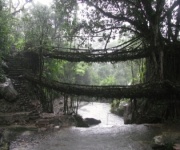
Khasi dance is equally rooted in place and identity. Carefully arranged steps, colourful clothing, rhythmic drumming, and graceful gestures express gratitude, social harmony, respect for ancestors, and the continuing relationship between people and the natural world. A visit to Sohra, also known as Cherrapunji, can offer an opportunity to understand this living culture alongside waterfalls, caves, forests, and root bridges.
Visitors should remember that many traditional performances are connected to religious or community occasions. Observing quietly, asking permission before taking photographs, and choosing local guides or cultural hosts helps ensure that an encounter with Khasi heritage remains respectful and meaningful.
Music in Khasi community life
Khasi music traditionally serves a social purpose. It can announce a procession, support a ritual, accompany a dance, or bring a community together during a festival. The instruments are generally acoustic and portable, allowing musicians to perform in village spaces, ceremonial grounds, and outdoor settings.
Rhythm is especially important. Drums establish the pace for dancers, while wind instruments add a bright, penetrating sound that carries across hills and valleys. Plucked strings may provide melodic decoration or support a singer. Instead of separating musicians from dancers, Khasi traditions often treat them as parts of one shared performance.
The setting also matters. A performance at a religious festival may have a different meaning from a cultural programme arranged for visitors. Learning the context before attending makes it easier to appreciate why a particular melody, costume, formation, or gesture is used.
The instruments behind the sound
The tangmuri is one of the best-known Khasi wind instruments. It is a double-reed instrument with a strong, distinctive tone, often described as piercing yet celebratory. Its sound can lead a procession or give energy to a dance ensemble. Because the tangmuri carries well outdoors, it is especially effective during public festivals and ceremonial gatherings.
The duitara is a traditional Khasi string instrument, usually played by plucking. Its compact form and resonant tone make it suitable for melodic accompaniment and folk performance. It is sometimes compared with other Indian lute-like instruments, although its construction and place in Khasi musical life are distinct. The duitara reflects the intimate, storytelling side of Khasi music as much as the grander festival tradition.
Drums provide the foundation. The ksing is a broad term associated with Khasi drums, with different forms and sizes used for different purposes. Ksing shynrang, often referred to as the male drum, generally produces a deeper sound, while ksing kynthei, the female drum, has a higher tonal character. Together, these drums can create interlocking rhythms that guide the dancers.
Other percussion instruments include the nakra, a kettle-shaped drum, and the bom, a larger drum that can reinforce the ensemble with a deep pulse. Names and uses may vary between communities and sources, so local explanations are valuable. In some performances, the importance lies less in a solo instrument than in the balance between drum, reed, string, and movement.
Dances that carry cultural meaning
Shad Suk Mynsiem is among the most widely recognised Khasi dances. The name is commonly translated as “dance of the joyful heart,” and the festival is associated with thanksgiving, renewal, and the celebration of life. Women often dance in elegant formations while men move around them in a protective and rhythmic role. The choreography is graceful rather than hurried, with measured steps and carefully coordinated gestures.
Shad Nongkrem is another important Khasi festival dance, traditionally connected with the Nongkrem religious ceremony at Smit, near Shillong. The festival is associated with thanksgiving and community well-being. Women perform in richly ornamented clothing, while male dancers may carry swords and ceremonial items. The movements, music, and clothing create a formal display of Khasi heritage rather than a casual folk performance.
Shad Beh Sier, often called the dance of the deer, is linked with hunting traditions and community memory. Its movements evoke alertness, pursuit, and the energy of the forest. Laho dance, meanwhile, is more openly playful and social. Dancers move together in lines or groups, sometimes with arms linked, creating a feeling of shared enjoyment and participation.
These forms should not be treated as interchangeable entertainment. Each has its own history, setting, and local interpretation. Travellers may also encounter dances from other communities in Meghalaya, including Garo and Jaintia traditions. Wangala, for example, is a major Garo harvest festival and should not be labelled as a Khasi dance.
| Instrument or dance | Main character | Where visitors may encounter it |
|---|---|---|
| Tangmuri | Bright double-reed melody for processions and celebrations | Festival grounds and cultural programmes |
| Duitara | Plucked string accompaniment and folk music | Community performances and musical gatherings |
| Ksing drums | Rhythmic foundation for dance and ceremony | Khasi festivals and public processions |
| Shad Suk Mynsiem | Graceful thanksgiving and community dance | Seasonal cultural celebrations |
| Shad Nongkrem | Formal religious and ceremonial dance | Nongkrem festivities at Smit |
| Laho dance | Joyful, social group movement | Community celebrations and cultural events |
Clothing, gesture, and formation
Khasi dance costumes are an essential part of the performance. Women may wear the jainsem, a traditional draped garment, with ornaments, necklaces, earrings, and other decorative pieces. The use of gold-coloured jewellery and coral-like beads can create a striking visual effect as dancers move. Men may wear the jymphong or other traditional garments, often combined with turbans, waistcoats, or ceremonial accessories.
The clothing is not simply decorative. It communicates dignity, occasion, and belonging. Jewellery can also carry family, regional, or cultural associations. The appearance of a dance group may differ according to the festival, locality, and community resources, so there is no single costume that represents every Khasi performance.
Gesture is restrained and symbolic. Female dancers may move with small, precise steps while maintaining an upright posture and coordinated hand positions. Male dancers often create an outer rhythm or protective formation around the women. The visual arrangement can express cooperation, balance, and social order.
For photographers, the details of movement are worth observing rather than rushing to capture. Asking before taking close-up portraits is especially important when dancers are participating in a sacred or community-led ceremony.
Where travellers can experience the tradition
Sohra and the wider Khasi Hills are excellent places to explore the relationship between landscape and culture. Traditional music may appear during local festivals, heritage events, school programmes, resort presentations, or celebrations arranged by community organisations. Timing is important because major ceremonies follow local calendars, and some events are not staged throughout the year.
A knowledgeable local guide can explain whether a performance is religious, seasonal, educational, or designed specifically for visitors. This distinction helps travellers choose the right behaviour and avoid treating sacred customs as a show. It also creates an opportunity to learn the names of instruments, understand the lyrics or rhythm patterns, and identify differences between villages.
Cherrapunjee is increasingly visited by travellers who combine cultural exploration with remote work and longer stays. Practical planning matters for anyone extending a trip beyond a short holiday, and this guide to working from Meghalaya offers useful context about internet access and possible work settings. A reliable base can make it easier to attend a festival or arrange a cultural visit without hurrying between attractions.
Nearby destinations such as Shillong, Smit, Mawphlang, and other Khasi settlements may offer additional opportunities to encounter traditional performance. However, distance, weather, road conditions, and event schedules should be checked in advance. Monsoon rain can change travel times quickly, while festival dates may be determined by traditional or lunar calendars.
Listening with respect
Cultural appreciation begins before the performance. Read about the occasion, dress modestly, and follow instructions from organisers or community members. Some ceremonies may restrict photography, filming, movement around the performance area, or participation by outsiders. These rules are part of the event’s meaning, not obstacles placed in the way of tourists.
Avoid interrupting musicians or dancers to request repeated poses. A traditional ensemble is a working cultural group, not a collection of props for photographs. If a performance is open to visitors, ask whether a donation, ticket, or local cultural fee supports the artists and organisers.
It is also useful to listen for variation. A drum pattern may sound different from one locality to another, and an instrument may be made or tuned according to local practice. Rather than searching for one definitive version of Khasi music, travellers can appreciate the diversity within the tradition.
Visitors staying at a resort or hotel in Sohra can ask staff about legitimate local performances, seasonal celebrations, and guides with community connections. Responsible arrangements are more likely to provide accurate information and ensure that cultural encounters benefit local people.
Making the most of a cultural visit
A few simple habits can deepen the experience of hearing Khasi music and seeing traditional dance:
- Check festival dates and ceremony conditions before travelling to a performance location.
- Hire a local guide who can explain the meaning of the instruments, costumes, and dance formations.
- Ask permission before photographing performers, elders, sacred objects, or private community spaces.
- Carry modest clothing, comfortable footwear, and rain protection for outdoor events in the Khasi Hills.
- Support local artists, guides, homestays, and community-run cultural programmes whenever possible.
The most rewarding visits allow enough time for observation. Listen to how the tangmuri cuts through the open air, notice the conversation between the deep and high drums, and watch how dancers maintain formation through small, controlled movements. These details reveal a culture that values rhythm, community, and continuity.
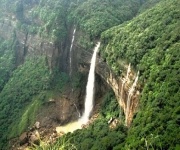
A multi-day stay in Cherrapunjee can combine this cultural learning with visits to Nohkalikai Falls, Mawsmai Cave, Seven Sisters Falls, Mawlynnong, and living root bridges. The landscape provides the setting, but Khasi music and dance provide another way to understand the people who have shaped and cared for it.
Plan your Meghalaya journey around the seasons, local celebrations, and respectful cultural encounters. Explore suitable Cherrapunjee vacation packages, arrange accommodation and transport in advance, and contact India Beacons Sojourn for help creating a trip that brings together Khasi heritage, nature, and time to experience Sohra at a thoughtful pace.