





A night at the edge: camping near Cherrapunjee
As daylight fades across the highlands of Meghalaya, Cherrapunjee becomes a landscape of silhouettes, mist, and distant lights. The plateau drops sharply into green valleys, streams continue their journey toward Bangladesh, and the sound of rain can turn an ordinary campsite into an unforgettable overnight experience. For travelers who enjoy open skies and quiet surroundings, camping near Cherrapunjee offers a different way to experience Sohra beyond its famous waterfalls and caves.
A camping trip here is less about roughing it in complete isolation and more about choosing a scenic, well-managed base. The region’s weather is famously changeable, with sudden showers, cool evenings, and damp ground even outside the monsoon season. A comfortable tent, a reliable local operator, and a realistic itinerary make a major difference.
The best experience combines a night outdoors with the highlights of the Cherrapunji region: living root bridges, limestone caves, forest trails, dramatic viewpoints, and village hospitality. Whether camping is the main purpose of the trip or a memorable addition to a Meghalaya vacation, preparation helps you enjoy the landscape without underestimating it.
Why spend a night outdoors in Sohra
Sohra sits on a plateau surrounded by deep gorges and forested slopes. From a campsite near the escarpment, the landscape can feel vast and almost oceanic, particularly when clouds gather below the ridgeline. Sunset is often brief, but the shifting light over the hills creates an atmosphere that hotels cannot quite reproduce.
Night brings a different mood. The air becomes cooler, insects and forest sounds become more noticeable, and cloud cover can soften the darkness. On a clear evening, the absence of heavy urban lighting may reveal a broad star field. During wet weather, the experience changes again: rain on canvas, drifting fog, and the smell of wet earth become part of the stay.
Camping also creates a slower rhythm. Instead of returning from a waterfall excursion to a standard room, you can sit near a sheltered fire area, share a warm meal, and watch the weather move across the plateau. It is especially appealing for couples, families with older children, photographers, and travelers who want a close connection with Meghalaya’s natural environment.
Choosing the right campsite
The phrase “camping near Cherrapunjee” covers several types of accommodation. Some properties provide fixed tents with beds, private washrooms, electricity, and dining areas. Others offer simpler canvas tents on landscaped grounds. A few operators organize seasonal camps in more remote locations, where facilities may be basic and access can depend on road and weather conditions.
A campsite close to Sohra town is practical for visitors who want easy access to Nohkalikai Falls, Mawsmai Cave, Seven Sisters Falls, and local restaurants. A more secluded property near the plateau edge may provide better views and quieter surroundings, but it can require a longer transfer and offer fewer nearby services. Before booking, check the exact location rather than relying only on the word “Cherrapunjee” in a listing.
Ask about bedding, attached or shared bathrooms, hot water, charging points, meals, parking, and rain protection. Find out whether the tent stands on a raised platform, whether there is an indoor dining space, and how the property handles heavy rain. A campsite with a covered common area is valuable when outdoor activities are interrupted by a downpour.
Weather, seasons, and comfort
Cherrapunjee is known for intense rainfall, especially from June through September, though showers can occur at any time. The wet season creates spectacular waterfalls and vibrant greenery, but it also brings slippery paths, reduced visibility, muddy approaches, and occasional travel delays. Camping during these months can be atmospheric, but only when the site is properly equipped and the itinerary allows flexibility.
October to April generally offers more comfortable conditions for an overnight camp. Winter nights can feel surprisingly cold, particularly when wind moves across the open plateau. Daytime sightseeing may be pleasant under clear skies, while temperatures drop after sunset. Spring often brings fresh vegetation and moderate weather, although isolated rain remains possible.
Pack for moisture even during the drier months. Quick-drying clothing, a waterproof outer layer, warm sleepwear, and shoes with firm grip are more useful than heavy luggage. Keep electronics and important documents in sealed pouches. A headlamp is preferable to relying on a phone flashlight, and a reusable bottle helps reduce disposable plastic at the campsite.
What a camping itinerary can include
A well-planned overnight stay can fit naturally into a wider Meghalaya route. Travelers arriving from Shillong may stop at viewpoints and waterfalls on the way to Sohra, check into camp before sunset, and reserve the following day for caves, forest walks, or village excursions. Those spending several nights in the area can use the campsite as a base rather than moving every day.
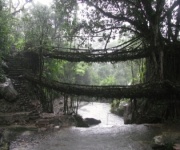
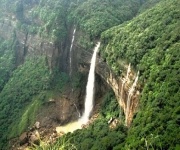
Popular nearby attractions include Nohkalikai Falls, whose plunge into a blue-green pool is among the region’s defining views, and Mawsmai Cave, where narrow limestone passages offer a short but memorable exploration. Arwah Cave provides a more atmospheric setting for travelers comfortable with uneven paths. The living root bridges around Nongriat require a demanding descent and ascent, so they are better approached with sufficient daylight and a full day available.
Remote attractions need careful timing. The trek to Nongriat involves hundreds of steps, while locations such as Wei Sawdong Falls and lesser-known viewpoints may involve steep approaches. A local driver or guide can help assess road conditions, walking time, and weather. Visitors planning a broader stay can review this four-night itinerary when deciding how to combine a campsite with the main attractions of Cherrapunjee.
Comparing a campsite with a hotel
The right choice depends on the kind of trip you want. A hotel or resort usually provides greater privacy, more predictable utilities, and easier access to room service or indoor relaxation. Camping offers scenery, atmosphere, and a closer relationship with the surrounding landscape, but it may involve shared facilities, limited connectivity, and less control over temperature.
Families should confirm whether the tents are spacious enough for children and whether the property has safe paths after dark. Couples may prefer a private tent with a valley-facing deck, while groups often benefit from a common dining and bonfire area. Travelers with mobility concerns should ask about slopes, steps, vehicle access, and bathroom distance before paying a deposit.
| Feature | Managed campsite | Hotel or resort |
|---|---|---|
| Atmosphere | Immersive, quiet, and close to nature | Comfortable and more conventional |
| Weather protection | Depends on tent quality and covered facilities | Usually more reliable |
| Bathroom access | Private or shared, depending on property | Generally private |
| Evening experience | Bonfire, open views, and outdoor dining | Indoor lounge or restaurant |
| Best suited to | Nature lovers, couples, groups, and families seeking novelty | Travelers prioritizing convenience and predictable amenities |
| Booking questions | Tent platform, rain cover, meals, heating, and access | Room heating, views, parking, and power backup |
Many travelers choose a combination: a resort for part of the trip and one night in a quality campsite. This arrangement provides a comfortable base for longer excursions while preserving the special character of sleeping outdoors.
Responsible camping in Meghalaya
The plateau’s beauty depends on careful travel. Use established campsites instead of pitching a tent on private land, forest edges, or unstable slopes without permission. Never camp beside a waterfall, streambed, cliff edge, or exposed escarpment. Water levels can rise rapidly after rain, and mist can obscure hazards that appear harmless during daylight.
Leave natural features untouched. Do not collect plants, disturb insects or animals, carve names into trees, or remove stones from local landscapes. Carry waste back to the designated disposal point, avoid single-use plastic where possible, and use only the fire arrangements approved by the campsite. Smoke, loud music, and bright lights can disturb nearby communities and wildlife.
Local customs matter as much as environmental rules. Ask before photographing residents, homes, or community spaces. Dress respectfully when visiting villages, churches, sacred groves, and cultural sites. Hiring local guides, eating regional food, and buying permitted crafts can make the trip more beneficial to the communities that care for the area.
Practical planning for a smooth stay
Reach the campsite before dark whenever possible. Roads around Sohra can be winding, and rain or fog may slow the journey. Arriving in daylight gives you time to inspect the tent, locate the bathroom, charge essential devices, and understand the property’s safety arrangements. It also lets you enjoy the setting rather than searching for it after nightfall.
Keep a small overnight bag separate from your main luggage. Include warm layers, dry socks, toiletries, medication, a towel, a power bank, and waterproof footwear. If you plan to visit caves or take long walks, pack clothes that can handle mud and moisture. A compact umbrella is useful in town, while a proper rain jacket is better for trails.
Confirm transport, meal timings, cancellation terms, and mobile connectivity in advance. Network coverage can be uneven, and some camps have limited power-generation hours. International visitors should also arrange the necessary Indian visa before travel and carry identification for accommodation check-in. Local access rules can vary by attraction, so rely on current guidance from tour operators or local authorities.
Useful choices before booking
- Select a raised, waterproof tent with a covered sitting or dining area.
- Verify the distance to Sohra attractions and the condition of the approach road.
- Choose a site with secure walking paths, clear check-in procedures, and emergency contacts.
- Carry layered clothing, sealed bags, sturdy shoes, and a headlamp.
- Respect village customs, keep noise low, and follow the campsite’s waste policy.
A night on the Cherrapunjee plateau becomes most rewarding when comfort and adventure are balanced. The goal is not to recreate wilderness survival, but to wake up close to misty hills, hear rain moving across the canvas, and begin the day within reach of Meghalaya’s extraordinary natural landmarks.
For a tailored stay, combine a carefully chosen campsite with guided sightseeing and reliable transfers through a Cherrapunjee vacation package. Contact India Beacons Sojourn through Cherrapunjee.net to plan the right number of nights, confirm seasonal conditions, and reserve an overnight experience that brings the edge of Sohra within easy reach.