





A restorative nature and wellness escape in Cherrapunjee
Cherrapunjee, also known as Sohra or Cherrapunji, is an ideal setting for a slower holiday. Mist-covered hills, forest trails, limestone caves, seasonal waterfalls, and green valleys create a natural environment where sightseeing does not have to feel hurried. A five-night stay gives you enough time to enjoy Meghalaya’s landscapes while leaving room for rest, quiet meals, and unplanned moments.
This relaxing 5-night package focusing on nature and wellness is designed around a gentle travel rhythm. Instead of filling every day with distant attractions, the experience can balance outdoor discovery with comfortable accommodation, mindful pauses, nourishing local food, and restorative views. It suits couples, families, solo travellers, and anyone who wants a refreshing break from crowded city routines.
The longer stay also makes it easier to experience Cherrapunjee beyond its most photographed waterfalls. You can explore living root bridges, forest paths, heritage sites, village surroundings, and cave systems at a comfortable pace. With thoughtful planning, each day can feel complete without becoming exhausting.
A slower way to experience Sohra
The defining feature of a wellness-oriented trip is space. Rather than treating every stop as a race against time, the itinerary can allow for late breakfasts, scenic drives with photo breaks, and short walks suited to your energy level. The weather in Meghalaya can change quickly, so a flexible schedule is especially valuable.
A five-night holiday creates a useful balance between activity and recovery. One day may involve a longer excursion to waterfalls and viewpoints, while the next can be lighter, with time at the resort, an easy village walk, or an unhurried visit to a nearby attraction. This pattern helps travellers enjoy the scenery without feeling that they need a full day to recover from each outing.
Accommodation plays an important role in the mood of the trip. A peaceful resort or well-located hotel can provide a comfortable base, warm meals, restful rooms, and views of the surrounding hills. When selecting a stay, consider access to major attractions, indoor comfort during rain, dining arrangements, and the availability of outdoor seating or quiet common areas.
Nature experiences with room to breathe
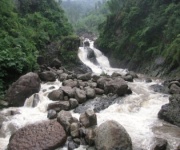
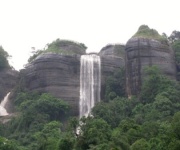
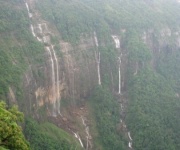
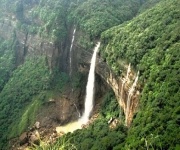
Cherrapunjee is famous for dramatic natural attractions, but wellness travel does not require strenuous exploration at every turn. Waterfalls such as Nohkalikai, Seven Sisters, and Wei Sawdong can be included with time to admire the landscape rather than simply taking a quick photograph and moving on. Viewpoints are often most rewarding when the itinerary leaves room for changing clouds, shifting light, and the sound of rain.
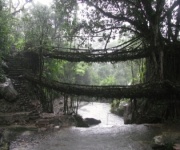
The living root bridges offer a different kind of nature experience. Formed over generations by guiding the roots of rubber fig trees, these bridges reflect the close relationship between Khasi communities and their environment. Some routes involve steps and uneven paths, so the chosen bridge should match the group’s fitness and mobility. A guide can help explain the local landscape and make the walk more meaningful.
Cave visits add variety to the outdoor programme. Mawsmai Cave is accessible and popular, while other cave systems may require greater care, suitable footwear, and more time. A wellness-focused itinerary should treat these visits as optional levels of adventure, allowing travellers to choose between a gentle nature stop and a more active exploration.
A five-night flow for calm discovery
The first day is best kept light. After arrival in Meghalaya and transfer towards Cherrapunjee, travellers can settle into their accommodation, enjoy a warm meal, and take in the surrounding views. If energy permits, a short sunset stop or relaxed local walk can provide a pleasant introduction without adding pressure.
The second day can focus on iconic waterfalls and viewpoints. A morning visit to Nohkalikai Falls may be followed by other scenic stops in the Sohra region. Rather than packing in too many locations, the schedule can include a leisurely lunch and a quiet evening at the resort. In misty weather, the atmosphere itself becomes part of the experience.
A third day may combine culture, village landscapes, and a manageable walk. Depending on road and weather conditions, the route can include a living root bridge or another forest attraction. Travellers can return early enough for rest, reading, photography, or conversation over tea. This pause is important because wellness comes from the pace between activities as much as from the activities themselves.
The fourth day can be reserved for caves, viewpoints, or a more scenic excursion. Guests who prefer a restful holiday might choose only one principal attraction and spend the remainder of the day at leisure. Those seeking more movement can add a guided walk, provided the route and weather are suitable.
On the fifth day, the emphasis can shift towards personal choice. Some guests may revisit a favourite viewpoint, shop for regional handicrafts, or enjoy a slow breakfast followed by time in nature. Others may prefer a final waterfall visit or a longer stay at the property. The sixth day is then kept for departure, with a relaxed morning wherever the travel schedule allows.
| Travel style | Typical daily pace | Best suited to | Wellness benefit |
|---|---|---|---|
| Gentle sightseeing | One main attraction with long breaks | Families, older travellers, first-time visitors | Less fatigue and more time to absorb the surroundings |
| Balanced exploration | Two or three nearby stops with a relaxed evening | Couples and active adults | A mix of movement, scenery, and recovery |
| Adventure-focused | Longer walks, caves, and multiple excursions | Fit travellers and outdoor enthusiasts | Greater physical engagement and a sense of achievement |
| Retreat-oriented | Limited sightseeing with resort and nature time | Wellness seekers and repeat visitors | Quiet, flexibility, and deeper rest |
Food, sleep, and simple wellness rituals
A restorative holiday is easier to enjoy when meals are regular and uncomplicated. Meghalaya’s cuisine includes rice, seasonal vegetables, smoked ingredients, pork, chicken, fish, and local herbs. Visitors can ask accommodation providers about milder preparations or vegetarian choices when needed. Warm soups, tea, fresh fruit, and satisfying breakfasts are particularly welcome in cool, rainy weather.
Hydration also matters in a humid hill environment. Travellers may not always feel thirsty while walking through mist, but carrying water is still useful. Small snacks can help during drives or walks, especially when visiting attractions where food stalls may be limited. It is wise to tell the tour provider about allergies, dietary restrictions, or medical requirements before arrival.
Sleep should be treated as part of the itinerary rather than an afterthought. Rainfall, winding roads, and early departures can make a full schedule tiring. A comfortable five-night plan leaves several evenings free, allowing guests to return before dark, enjoy a warm drink, and rest without preparing for another immediate transfer.
Simple practices can deepen the sense of renewal: a few minutes of quiet breathing on a balcony, gentle stretching after a drive, journaling beside a window, or a technology-free walk. These activities require no special facilities and help travellers pay attention to the sounds, colours, and changing atmosphere of the Khasi Hills.
Choosing the right package and stay
A package should make the journey convenient without removing personal flexibility. Transfers, accommodation, sightseeing arrangements, and local assistance can reduce the stress of coordinating unfamiliar roads. Before booking, review what is included, such as meals, vehicle use, guide services, entry fees, and airport or railway-station transfers.
The five-night Cherrapunjee itinerary provides a useful starting point for travellers seeking a structured six-day stay. It can help organise the main sightseeing areas while giving you a basis for discussing preferences with the tour operator. Guests who want a stronger wellness focus can request slower mornings, fewer long drives, or additional time at selected attractions.
Location is another practical consideration. Staying close to central Sohra can make access to several attractions easier, while a more secluded property may offer greater quiet and scenic privacy. The best choice depends on whether your priority is convenience, views, peaceful surroundings, or a combination of all three.
Season affects both scenery and comfort. The monsoon brings intense rainfall and lush waterfalls, but paths can be slippery and visibility may change quickly. Autumn and winter often offer more comfortable conditions for walking, although evenings can feel cool. Spring brings fresh greenery and pleasant outdoor conditions. Regardless of the month, a flexible schedule is valuable in the hills.
Practical preparation for a comfortable stay
Good preparation allows the itinerary to remain enjoyable when the weather changes. Pack light but include layers, rain protection, and footwear that can handle wet or uneven ground. Carrying a small day bag makes it easier to keep essentials accessible during scenic drives and short walks.
- Choose waterproof walking shoes with reliable grip for forest paths, viewpoints, and cave visits.
- Pack a light jacket, quick-drying clothes, socks, and a compact raincoat or umbrella.
- Bring personal medicines, basic first-aid supplies, sunscreen, insect repellent, and reusable water bottles.
- Carry a power bank, camera protection, and waterproof covers for documents and electronic devices.
- Share mobility needs, dietary preferences, and preferred activity levels before the itinerary is finalised.
Travel documents should also be kept secure. Visitors from outside India should check current visa requirements before booking flights, while all travellers should carry valid identification and reservation details. Meghalaya travel routes can involve long drives, so it is helpful to confirm arrival times, transfer arrangements, and any local permissions that may apply to a particular route or attraction.
A private or small-group vehicle can make the experience more comfortable by allowing additional photo stops and adjustments when rain affects visibility. A local driver or guide can also provide practical advice about road conditions, walking distances, village etiquette, and the best time to visit popular viewpoints.
The purpose of this kind of holiday is not to collect the greatest number of attractions. It is to return home feeling refreshed, with memories of cloud-wrapped hills, rushing water, forest air, and generous stretches of quiet. Cherrapunjee’s natural beauty becomes more rewarding when experienced with patience.
Contact India Beacons Sojourn to plan your five-night escape around your preferred level of activity, accommodation style, dietary needs, and travel dates. A carefully paced Cherrapunjee holiday can bring together waterfalls, living root bridges, caves, Khasi culture, and genuine time to rest in the landscapes of Meghalaya.