





A Self-Guided Walk To Wei Sawdong Waterfall
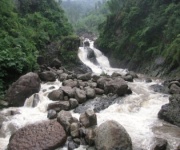
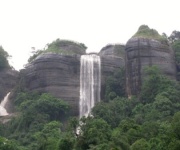
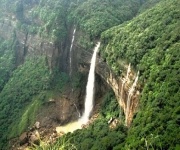
Wei Sawdong Waterfall is one of the most memorable short adventures around Sohra, the destination widely known as Cherrapunji. Its three pale-blue pools drop in a dramatic series through dense green country, creating a scene that feels far more secluded than its growing popularity suggests. A self-guided visit gives you time to take in the forest, listen to the water and set your own pace.
The waterfall lies in Meghalaya, in India’s northeastern hills, where monsoon rain shapes almost every part of the landscape. Roads can be misty, steps can be slick and a bright morning can change into a heavy shower before lunch. That combination makes sensible preparation more useful than relying on a tightly timed sightseeing itinerary.
Travellers from Australia will find the experience quite different from a marked walk near the Dandenong Ranges, the Blue Mountains or Brisbane’s hinterland. Trail surfaces are less uniform, signs may be limited and local advice matters. The reward is an intimate encounter with Khasi landscapes, village life and one of Sohra’s most striking natural features.
Allow a full morning or afternoon for the excursion, including the drive, descent, time beside the pools and climb back up. It works well as part of a wider Meghalaya holiday with living root bridges, caves, viewpoints and other waterfalls rather than as an isolated stop.
Before You Leave Sohra
Start by checking the forecast and asking your accommodation about the road and footpath conditions. During the wet season, rain can increase the volume of the falls and make the scenery spectacular, yet the final approach may become muddy or slippery. In drier months, the pools can look especially clear, although the flow may be less powerful.
Wear shoes with a firm grip, preferably trail shoes or lightweight hiking shoes rather than smooth-soled trainers. The walk includes an uneven descent and a return climb, so sandals are best kept for your accommodation. A small daypack is easier to manage than a large suitcase, particularly on narrow steps.
Useful Items For The Walk
- A refillable water bottle and a compact snack
- A light rain jacket, even when the sky looks clear
- Quick-drying clothing and a spare pair of socks
- A phone with offline maps, plus a power bank
- Small notes in Indian rupees for local purchases or parking
Australian visitors are accustomed to carrying sun protection on bushwalks, and it remains worthwhile here, especially during clear spells. Add insect repellent and a waterproof cover for your phone. Foreign cards are not accepted everywhere, while UPI payments may be difficult without an Indian bank account, so cash is practical for small expenses.
Reaching The Waterfall
Most visitors approach Wei Sawdong by road from Shillong or from accommodation in and around Sohra. The journey from Shillong generally takes several hours depending on traffic, weather and stops. From central Sohra, the drive is shorter, making it easy to combine the waterfall with nearby viewpoints or another attraction.
Travellers flying from Sydney, Melbourne, Perth or Brisbane will usually connect through a major Indian city before continuing towards Guwahati, the nearest major airport for many Meghalaya itineraries. A private transfer or hired car with a local driver is often simpler than attempting several public transport connections with luggage. Roads in the hills are winding, and travel times can be slower than the map suggests.
The final approach and parking arrangements may change over time, particularly after heavy rain or local works. Ask your driver to confirm the current entry point rather than relying on an old pin saved on your phone. The planning links on the destination website can also help you review related attractions and practical information before setting out.
Following The Trail
From the roadside access area, follow the visible route towards the waterfall and take your time on the first descent. The path moves through lush vegetation before reaching viewpoints and steps leading towards the pools. Some sections are constructed, while others feel more like a rough hillside track, so watch where you place each foot.
The waterfall is arranged in tiers, with water dropping into several basins. The lowest viewpoint often provides the broadest sense of the falls, while lower sections can bring you closer to the spray and sound. Do not assume every wet rock is safe to cross; the dark stone can be deceptively smooth.
A self-guided walk works well because you can pause at each level instead of rushing down for a photograph. Keep the route in mind for the return journey: the climb back can be demanding after time in humid air, especially for visitors who have spent the morning travelling.
A Comfortable Walking Rhythm
- Descend slowly and leave space between walkers on narrow steps.
- Stop at stable viewpoints rather than standing on the edge of pools.
- Keep your phone and camera secured when the path becomes damp.
- Save energy for the uphill return rather than treating the descent as the main effort.
There is no need to turn the outing into a race. Families, older travellers and people unused to steep terrain may prefer to stop at an upper viewpoint. A guide is not essential for confident walkers in ordinary conditions, but local assistance can be valuable after storms or when the route is unclear.
Weather, Water And Footing
Sohra is famous for intense rainfall, and weather is the central factor in planning this walk. A forecast showing only light rain can still mean slippery stairs and swollen streams. If thunder, exceptionally heavy rain or fast-rising water appears, postpone the descent and follow local advice.
The pools are visually inviting, but swimming should be treated with caution. Currents, submerged rocks and changing water levels can make the lower basins hazardous. Unless local authorities or experienced residents clearly indicate a safe area, enjoy the water from the bank rather than entering it.
Conditions can also affect your return to Shillong. In the Australian Alps or at popular coastal parks, a sudden weather shift may bring a familiar type of preparation, but the combination of tropical rain and steep Khasi terrain requires extra patience. Keep your schedule flexible and avoid booking an onward flight or long transfer immediately after the walk.
What To Notice Along The Way
The waterfall is more than a single photographic viewpoint. Look at the layered rock, the moss on shaded surfaces and the way water has cut channels through the hillside. Ferns and other moisture-loving plants thrive around the trail, while mist can soften the outline of the surrounding forest.
Listen for changes in the soundscape as you move between open viewpoints and enclosed sections. The roar of the falls becomes louder near the pools, while birds, insects and village sounds may be more noticeable above them. These small details make a slow walk more rewarding than a quick stop beside the water.
Khasi culture is part of the setting, even when no formal attraction is visible. Treat local people and community spaces with courtesy, ask before photographing residents and dress respectfully. If you visit a village shop or stop at a roadside stall, a friendly greeting and patient communication will go further than expecting the service style of a busy Australian café.
Sohra’s local markets are useful places to buy fruit, simple snacks and drinks before or after the walk. Shillong’s Police Bazaar is a larger, busier shopping area, while smaller markets closer to Sohra offer a more local rhythm. Carry reusable packaging where possible and avoid leaving wrappers along the trail.
Keeping The Visit Responsible
The landscape is vulnerable to litter, erosion and careless behaviour, particularly during peak travel periods. Take every item back with you, including tissues and food packaging. Do not carve names into rocks, pick plants or climb barriers placed near drops and pools.
Photography deserves some thought as well. A dramatic image is never worth stepping onto an unstable ledge or blocking the path for other visitors. If you use a drone, check current local rules and avoid disturbing people, birds or other travellers. Some areas may prohibit drones even when no sign is immediately visible.
Small Choices That Protect The Site
- Use refill stations or carry water instead of buying several plastic bottles.
- Stay on established steps and paths to limit soil erosion.
- Keep music low and allow other walkers to enjoy the natural sounds.
- Support local drivers, stalls and accommodation providers where appropriate.
Respect for local customs is especially important during community events, religious observances or visits near homes. Ask permission before entering private land or photographing ceremonies. Australian travellers may be used to clearly fenced public reserves, but access in Meghalaya can sometimes pass close to community-managed areas without a prominent sign.
Making It Part Of A Meghalaya Stay
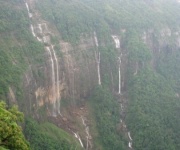
Wei Sawdong fits naturally into a two- or three-night Sohra itinerary. Pair it with Nohkalikai Falls, Mawsmai Cave or the Seven Sisters Falls, allowing enough time for road travel between sites. A longer stay can include Nongriat and its living root bridge, although that hike is considerably more strenuous and deserves a separate day.
Accommodation ranges from local guesthouses and homely stays to resorts with views over the hills. Staying in Sohra reduces early driving and allows you to visit attractions before the busiest periods. Shillong offers a wider choice of restaurants, transport connections and shopping, but adds travel time to each Cherrapunji excursion.
| Option | Best For | Advantages | Points To Consider |
|---|---|---|---|
| Self-guided walk | Independent travellers | Flexible pace and quiet stops | Requires route awareness and weather judgement |
| Local driver with assistance | First-time visitors | Easier transport and current local advice | Less control over timing |
| Guided day outing | Travellers wanting context | Local stories, route support and logistics | Usually follows a fixed schedule |
| Multi-day Sohra stay | Slow exploration | More time for waterfalls, caves and villages | Requires planning accommodation in advance |
For Australian travellers managing leave around school holidays or public-holiday periods, booking transport and accommodation early is sensible. The same applies if you are travelling during popular dry-season dates. Build in a spare morning because rain, road conditions and unplanned viewpoints can all extend a day in the hills.
A local operator can also help coordinate transfers, accommodation and nearby attractions. For dates, package details and booking enquiries, contact the booking team before finalising your route.
A walk to Wei Sawdong is best approached with curiosity rather than a checklist. Bring reliable footwear, allow extra time, follow local guidance and leave the pools and forest as you found them. With those simple preparations, this tiered waterfall becomes a memorable and manageable part of a Meghalaya journey.