



A Self-Guided Walking Tour Through Sohra Town
Sohra, widely known as Cherrapunji or Cherrapunjee, is more than a convenient base for Meghalaya’s waterfalls and caves. The town has its own rhythm: mist moving across the Khasi hills, small shops opening late in the morning, church bells, roadside stalls, and broad views that appear whenever the cloud lifts. Exploring on foot gives you time to notice those everyday details.
This walking route is designed for independent travellers who want a gentle half-day or full-day experience before visiting Nohkalikai Falls, Mawsmai Cave, Seven Sisters Falls, or a living root bridge. It suits visitors arriving from Guwahati, Shillong, Sydney, Melbourne, Brisbane, or elsewhere in Australia, with practical advice for rain, transport, money, food, and local customs.
Begin At The Sohra Market Area
Start near the central market and main road, where shared taxis, private cars, small buses, shops, cafés, and food stalls create the busiest part of town. Sohra is spread along a high plateau rather than arranged like a compact city centre, so your walk will include short stretches beside active roads. Keep to the edge, watch for vehicles approaching around bends, and avoid assuming that a quiet lane will remain quiet.
The market is a useful place to buy drinking water, fruit, biscuits, an umbrella, and simple snacks before setting out. Prices may be modest by Australian standards, but carrying small Indian rupee notes makes purchases easier. Digital payments are increasingly common, although a mobile signal, battery, or merchant connection may fail in wet weather. A small amount of cash remains sensible.
Allow time to observe the local trade rather than treating the market as a quick stop. Khasi families from surrounding villages may bring produce, while shopkeepers sell clothing, household supplies, packaged food, and practical items for visitors. The selection changes with the season, and the market is generally more valuable for atmosphere and daily life than for souvenir shopping.
If you are travelling during Australian school holidays, remember that Meghalaya’s busiest periods can coincide with Indian holiday seasons and pleasant-weather weekends. Accommodation and drivers may be harder to arrange at short notice. A walking tour is flexible, but your wider itinerary should be booked early if it includes popular resorts or a private vehicle.
Follow The Town’s History And Viewpoints
From the market, walk towards the older parts of Sohra and look for buildings connected with the town’s Christian and colonial-era history. Missionaries established a strong presence in the Khasi Hills during the nineteenth century, and churches, schools, cemeteries, and administrative buildings reflect the changes that followed. Local history is layered, so allow residents and guides to explain details rather than treating every old structure as a tourist monument.
The Khasi people have their own language, customs, social traditions, and matrilineal inheritance practices. A respectful visitor does not reduce Sohra to rainfall records or dramatic landscapes. Ask before photographing people, especially market vendors, children, worshippers, or anyone at work. Dress modestly around churches and places of worship, and keep voices low when services are taking place.
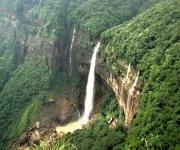
As you continue along the town roads, pause at open viewpoints facing the deep valleys. Clouds can hide the escarpment one minute and reveal forested slopes, distant ridges, and waterfalls the next. The famous wet climate is part of the experience, but conditions vary. A sunny morning can become a heavy shower before you finish a short loop.
A light waterproof jacket is more reliable than a fashion raincoat, and a compact dry bag protects a phone, passport copy, camera, and wallet. Australian visitors accustomed to checking weather apps in Melbourne or Brisbane should still ask local accommodation staff about current road and rain conditions. Forecasts may not show how quickly visibility changes across the plateau.
Pause For Food And Everyday Life
A central section of the walk can include a relaxed meal or tea break. Look for small restaurants serving Khasi, North-East Indian, or familiar Indian dishes. Rice, dal, vegetables, eggs, pork, chicken, and noodles are common options, while menus may be limited outside busy hours. Ask about ingredients if you have allergies, and carry any essential medication rather than relying on a local pharmacy to stock a particular Australian brand.
Sohra’s food culture is generally straightforward and filling. A warming cup of tea is welcome in cool mist, but visitors should keep drinking water throughout the day. People arriving from hot Australian cities such as Perth or Brisbane may focus on the temperature and forget that walking in humid conditions still causes fluid loss. Take breaks before you feel exhausted.
The town also offers a chance to notice ordinary routines: schoolchildren travelling home, families shopping for provisions, taxis waiting for passengers, and shopkeepers sheltering from passing rain. These moments are part of the destination’s character. Keep your camera away during private conversations, and avoid blocking narrow entrances or roadside stalls while taking photographs.
Small market purchases can support local businesses when they are useful and fairly priced. Choose reusable bottles and bags where practical, and do not buy objects made from protected plants, wildlife, or archaeological material. Australia’s strict biosecurity legislation means food, seeds, soil, plant material, and animal products must be declared when entering the country. Dispose of fresh items before flying home and check current Australian Border Force and Department of Agriculture rules.
Handy Items For The Walking Route
- Waterproof walking shoes with reliable grip on slick surfaces
- A light rain jacket, compact umbrella, and spare dry clothing
- Indian rupee cash in small denominations plus a charged phone
- Reusable water bottle, sun protection, and personal medication
- Offline maps, accommodation details, and an emergency contact
Extend The Walk Towards Sohra’s Natural Edge
Sohra town is an excellent starting point, but many major attractions lie several kilometres away and are not connected by a continuous pedestrian path. Nohkalikai Falls, Mawsmai Cave, Arwah Cave, Eco Park, and the viewpoints around Seven Sisters Falls are best reached by taxi or pre-arranged driver. Walking along the main highway for long distances is tiring and can be unsafe, particularly in fog, rain, or low light.
A sensible plan is to explore the centre on foot, then use a local vehicle for the outer attractions. Ask your hotel or guesthouse to arrange a driver who understands the route and current conditions. Travel times can be unpredictable because narrow hill roads, roadworks, livestock, and heavy rain all affect progress. The distance on a map does not tell the whole story.
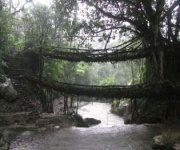
Living root bridges require extra planning. These remarkable structures are shaped over generations from the roots of rubber fig trees and are reached by trails, steps, and village paths rather than a simple town stroll. Wear shoes with traction, carry water, and allow more time than the distance suggests. Community access arrangements and local guides can vary, so follow instructions and pay any established entry or guide fees.
Caves and waterfalls also demand caution. Rocks become slippery, mist reduces visibility, and water levels can rise quickly during monsoon conditions. Do not climb barriers for a photograph or enter a cave without checking whether it is open. The same risk awareness Australian bushwalkers use in the Blue Mountains, Dandenong Ranges, or Lamington National Park applies here, with the added complication of intense rain and unfamiliar terrain.
Plan The Day Around Weather And Transport
A comfortable walking day usually begins after breakfast, when the market and town are active but the roads are not yet at their busiest. Keep the route flexible rather than setting a strict timetable. If a storm arrives, use a café, shop, church compound where visitors are welcome, or your accommodation as a shelter. Avoid standing beneath isolated trees or near exposed viewpoints during thunderstorms.
Visitors from Australia should also plan for the practical difference between independent travel at home and hill travel in Meghalaya. Tap-and-go payments are routine across Sydney and Melbourne, but rural and small-town Meghalaya may require cash. Australian public transport apps offer precise arrival information, while shared taxis in Sohra generally operate according to local demand rather than a fixed tourist timetable. Ask before boarding about the destination and fare.
Foreign nationals need a valid Indian visa or approved e-visa before travelling, subject to current Indian government rules and passport eligibility. Carry a printed or offline copy of key documents, including passport details, accommodation bookings, insurance, and transport contacts. Regulations and entry procedures can change, so verify requirements through official Indian sources before departure rather than relying on an old blog post.
Travel insurance should cover walking, medical treatment, cancellation, lost belongings, and any activities you intend to undertake. Read exclusions carefully: some policies treat cave visits, trekking, or riding in vehicles on unsealed roads differently. Australian Medicare does not provide ordinary overseas medical cover in India, so comprehensive insurance is especially important.
A longer Meghalaya holiday can balance active sightseeing with quiet recovery. Ideas about combining rest and exploration, such as this guide to a relaxation holiday, are useful when building an itinerary that does not turn every day into a long transfer.
Useful Checks Before Leaving Your Accommodation
- Confirm the day’s rain, visibility, road, and attraction conditions
- Download maps and save your hotel, driver, and emergency contacts offline
- Tell reception your intended route and expected return time
- Carry modest clothing for churches and respectful community visits
- Check Australian biosecurity requirements before packing food or souvenirs
Turn A Town Walk Into A Longer Stay
A self-guided stroll works best as part of a broader Sohra itinerary. One day can combine the market, historic centre, viewpoints, and a nearby attraction, while another can focus on caves, waterfalls, or a village trail. Staying two or more nights reduces the pressure to see everything through one clear weather window and gives the landscape time to change.
Accommodation ranges from practical guesthouses to comfortable resorts and hotels. Ask about hot water, heating, meals, mobile reception, driver arrangements, and the distance from the main road before booking. During wet periods, drying clothes can be difficult, so a room with useful indoor space and a reliable supply of warm water makes a noticeable difference.
For travellers who prefer a planned route, the 4N 5D Cherrapunji package can provide a structured base for seeing Sohra and its surrounding sights. Independent walkers can still preserve free time within an organised trip by choosing when to explore the town, browse the market, or rest at the accommodation.
The best walking memories often come from a slower pace: a sudden valley view, the sound of rain on a tin roof, a conversation with a shopkeeper, or a quiet lane between showers. Be a considerate guest, spend locally, protect the fragile environment, and leave enough room in your schedule for weather to shape the day.
For help selecting accommodation, transport, sightseeing stops, or a multi-day Meghalaya holiday, use the Cherrapunjee contact page to make a booking enquiry. A local itinerary can connect your Sohra town walk with waterfalls, caves, parks, and living root bridges while keeping travel times and seasonal conditions in view.