




A solo female traveler’s experience in Cherrapunjee
Traveling alone through Cherrapunjee, also known as Sohra or Cherrapunji, offers a rare balance of adventure, quiet reflection, and genuine human connection. Set among the misty hills of Meghalaya, this high-rainfall region is shaped by dramatic cliffs, green valleys, waterfalls, caves, and villages where daily life remains closely connected to the land.
For a woman traveling independently, the destination can feel exciting without being overwhelming. The roads are scenic, the main attractions are accessible with local transport or a hired driver, and residents are generally welcoming toward visitors. A little preparation makes the journey smoother, especially when weather changes quickly and some attractions involve steep walks.
My experience in Cherrapunjee was defined by small moments: tea shared during a rain shower, clouds moving across a valley, and the sound of water echoing inside a cave. The destination rewards travelers who leave room in their schedule for unexpected stops rather than treating every day as a race between landmarks.
First impressions of Sohra
The first thing I noticed was the atmosphere. Cherrapunjee does not feel like a conventional resort town built around a single attraction. It is spread across a rugged plateau, with homes, small shops, churches, viewpoints, forest paths, and village roads appearing between long stretches of dramatic scenery. Mist can arrive without warning, softening the hills and making familiar roads seem completely different.
The climate is part of the experience. Rain may fall heavily for a short period, then give way to bright light over the valleys. During the monsoon, waterfalls become powerful and spectacular, while the dry months offer clearer views and easier walking conditions. Even in fair weather, the ground near viewpoints and trails may be slippery, so sturdy footwear is more useful than fashionable travel shoes.
As a solo woman, I appreciated the destination’s unhurried pace. There were moments when I stood alone at a viewpoint, listening to wind and distant water, without feeling pressured to move on. Popular sites can become busy during holidays, but early mornings and late afternoons often provide a calmer, more personal experience.
Getting there and finding confidence
Most visitors reach Cherrapunjee from Shillong, the capital of Meghalaya. The journey takes around two to three hours depending on traffic, weather, and stops. Shared taxis are common, while private cars provide greater flexibility for travelers who want to visit several attractions along the way. The road is part of the adventure, passing through forested hills, cloud-covered ridges, and villages with views that deserve a pause.
I found it helpful to arrange the first transfer before arriving. Having a confirmed driver or a clear taxi plan removed unnecessary uncertainty after a long journey. Mobile connectivity can vary in remote areas, and drivers may know the locations of viewpoints and trails better than online maps. It is also wise to keep accommodation details and emergency contacts saved offline.
Traveling alone does not mean handling every detail without support. Local guides, hotel staff, and drivers can make the route easier while allowing you to maintain your independence. Before booking, I reviewed the available Cherrapunjee travel packages to understand possible itineraries, accommodation areas, and sightseeing distances. A flexible two- to seven-night plan can work well, depending on whether the goal is relaxed nature travel or a fuller Meghalaya circuit.
Waterfalls, caves and living roots
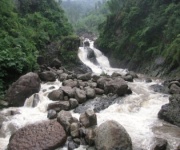
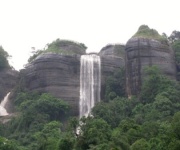
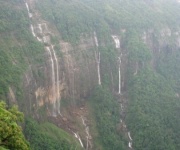
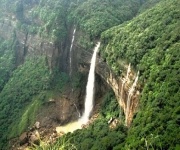
The waterfalls around Sohra are among the strongest memories of the journey. Nohkalikai Falls is famous for its immense drop and blue-green pool, while Seven Sisters Falls spreads across the cliff face in multiple streams when conditions are right. During periods of mist, the landscape can look almost dreamlike, though visibility may change within minutes.
Dainthlen Falls offers a different feeling, with broad rock formations and a setting connected to local legends. Smaller cascades appear along roads and forest edges, especially during the wet season. I learned to leave time between attractions because the most memorable scene was sometimes an unnamed stream beside the road rather than the planned viewpoint.
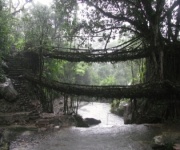
The living root bridges require more physical effort and patience. These remarkable structures, formed by guiding the roots of rubber fig trees across streams, represent a relationship between people and the forest developed over generations. Reaching the most famous bridges can involve hundreds or thousands of steps, humid trails, and uneven ground. A local guide can improve navigation and explain the cultural meaning of the landscape.
The caves add another dimension to a Cherrapunjee itinerary. Mawsmai Cave is relatively accessible and suitable for many first-time visitors, although narrow passages may feel uncomfortable for anyone with claustrophobia. Longer cave systems require specialist equipment, local expertise, and a stronger level of fitness. I kept valuables in a waterproof pouch and avoided carrying a large backpack into confined spaces.
Choosing a comfortable base
Accommodation can shape the entire solo travel experience. Staying near central Sohra makes it easier to find food, arrange transport, and reach nearby attractions, while a resort farther from town may offer greater privacy and expansive valley views. I preferred a clean, quiet property with reliable staff, secure entry, hot water, and a covered place for drying wet clothing.
It is worth checking how far a hotel is from restaurants and transport points before confirming a reservation. Some scenic resorts are beautifully isolated, but returning after sunset may require a prearranged vehicle. A property that helps organize local taxis, guides, and packed meals can be especially convenient for an independent traveler.
| Accommodation style | Best suited to | Advantages | Points to check |
|---|---|---|---|
| Central guesthouse | Short stays and flexible sightseeing | Easy access to shops, taxis, and simple meals | Noise, hot water, and power backup |
| Valley-view resort | Quiet retreats and scenic mornings | Privacy, views, and a peaceful atmosphere | Distance from town and evening transport |
| Family-run homestay | Cultural connection and local food | Personal advice, warm hospitality, home-cooked meals | Room privacy and shared facilities |
| Eco-lodge near nature trails | Walkers and slow travelers | Forest setting and direct access to paths | Road conditions, mobile signal, and weather access |
I also found that expectations should be realistic. Rain, damp air, and occasional power interruptions are part of the region’s character. A comfortable room, responsive staff, and a safe location matter more than luxury details that may not be useful during an outdoor-focused trip.
Food, people and mindful travel
Meals in Cherrapunjee are an important part of the cultural experience. Local restaurants and homestays may serve rice, seasonal vegetables, pork, chicken, bamboo shoot preparations, and Khasi specialties. Vegetarian choices are available, though I found it useful to explain dietary preferences clearly before ordering. Carrying a few snacks helped during long sightseeing drives when restaurants were closed or far away.
Interactions with residents were usually relaxed and respectful. People often offered directions or practical advice, but I avoided assuming that every conversation was an invitation to photograph or enter a private space. Asking permission before taking pictures, dressing appropriately in villages and religious places, and learning a few local greetings helped create more thoughtful encounters.
The landscape also calls for care. Plastic waste is especially visible in places that receive large numbers of visitors, and wet weather can move discarded items into streams. I carried a reusable bottle, kept wrappers in my day bag, and stayed on marked paths where possible. Responsible travel is particularly important around living root bridges, sacred sites, and forest communities.
Solo travel becomes more enjoyable when safety is treated as routine rather than as a source of fear. I shared my daily route with someone at home, avoided unfamiliar trails after dark, kept some cash separate from my wallet, and trusted my instincts when accepting transport or changing plans. These habits left more mental space for enjoying the destination.
A practical rhythm for an independent journey
The best itinerary allows for weather delays and unplanned pauses. A rushed schedule can turn a beautiful region into a series of hurried photographs, while an extra morning may reveal a clear valley after a night of rain. Two nights can cover the main highlights, but three to five nights provide a better balance of waterfalls, caves, villages, and rest.
A typical day began with an early breakfast, followed by one major attraction and several shorter stops. I avoided scheduling the most demanding walk after a long drive. Returning to the accommodation before heavy evening rain or darkness made the day feel safer and more comfortable.
Useful preparations include:
- Pack quick-drying clothes, a light rain jacket, and shoes with strong grip.
- Carry a waterproof phone pouch, power bank, basic medicine, and offline maps.
- Keep small cash available because card payments and ATMs may not be reliable everywhere.
- Share accommodation details and daily transport plans with a trusted contact.
- Reserve extra time for traffic, rain, steep trails, and spontaneous village stops.
Women who are comfortable with moderate walking will find many attractions manageable, but fitness levels vary. The route to a living root bridge can be strenuous, and damp steps may be tiring even for experienced hikers. Hiring a local guide for longer trails is a practical choice, especially when weather reduces visibility.
The emotional rhythm of the trip matters as much as the logistics. Some hours were full of movement and conversation; others were spent quietly watching clouds gather over the plateau. That contrast made the journey feel restorative rather than simply busy.
What stayed with me
A solo female traveler’s experience in Cherrapunjee is shaped by more than waterfalls and viewpoints. It is the feeling of moving through a landscape where rain has influenced architecture, farming, roads, stories, and daily routines. It is also the confidence that grows when you navigate unfamiliar places while remaining open to local guidance.
The destination is well suited to travelers who enjoy nature, photography, cultural encounters, and a slower pace. It asks for practical preparation, comfortable clothing, and respect for changing conditions, but it gives back through memorable scenery and meaningful moments. Even a short visit can feel much longer when each day includes misty roads, forest sounds, and conversations with people who know the hills intimately.
Plan your journey around the season, choose accommodation that matches your preferred level of independence, and leave enough time for the region to reveal itself gradually. With thoughtful arrangements and an open mind, Cherrapunjee can become a rewarding solo escape through Meghalaya’s clouds, caves, waterfalls, and living-root landscapes.