





A Step-by-Step Itinerary for a 3-Night Cherrapunjee Getaway
Cherrapunjee, also known as Sohra or Cherrapunji, is a highland destination where misty cliffs, plunging waterfalls, limestone caves, and forest trails create a memorable Meghalaya holiday. A three-night stay is long enough to experience the area’s signature landscapes without turning every day into a race between attractions.
This itinerary assumes arrival from Guwahati or Shillong and combines sightseeing with time to enjoy the scenery. Distances can take longer than expected because of winding hill roads, monsoon conditions, and frequent viewpoints, so the schedule leaves room for pauses and weather-related changes.
For accommodation, choose a resort or hotel in Sohra town or along the main Cherrapunjee road. Staying centrally reduces driving time and makes it easier to reach waterfalls, caves, viewpoints, and nearby villages. Before booking, browse the Cherrapunjee travel guide for destination details, tour packages, lodging information, and practical planning advice.
Reaching Sohra And Settling In
Begin the journey from Guwahati, Meghalaya’s main air and rail gateway, or from Shillong if your trip already includes the state capital. The drive from Guwahati commonly takes around four to five hours, while Shillong to Cherrapunjee usually takes approximately two to three hours, depending on traffic, road conditions, and stops.
A private car or pre-arranged taxi is the most convenient choice for a short getaway. Shared transport can be less expensive, but it may limit your ability to stop at viewpoints and can make visits to outlying attractions difficult. Arrange your vehicle before arrival, particularly during weekends, holidays, and the rainy season.
After checking into your hotel, keep the first afternoon relaxed. Take a short walk around Sohra, enjoy a warm meal, and visit a nearby viewpoint if the sky is clear. Avoid filling the arrival day with distant sightseeing; the roads and cool, damp weather can be tiring after a long transfer.
Day One: Waterfalls And Highland Views
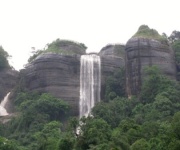
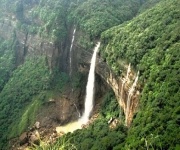
Start the first full day with Nohkalikai Falls, one of the most dramatic attractions near Cherrapunjee. From the viewing area, the waterfall drops into a vivid blue-green pool surrounded by forested cliffs. Early morning is often a good time to arrive, before larger groups reach the viewpoint and before clouds become especially dense.
Continue to the Mawsmai Cave area, where a short and accessible limestone passage provides an introduction to the region’s underground landscape. The cave is usually manageable for visitors with ordinary fitness, although the floor may be slippery. Wear shoes with firm grip and avoid carrying bulky bags inside.
After lunch, visit Arwah Cave if time and weather permit. The route involves a walk through forested terrain and can be more demanding than Mawsmai Cave. Fossils and limestone formations add interest, while the trail itself offers a quieter experience. If rain is heavy, replace this stop with a nearby viewpoint or a local café rather than forcing a cave visit.
Finish the day at one of the sunset viewpoints around Sohra. Visibility can change in minutes, so even a cloudy afternoon may open briefly over the valleys. Return to your accommodation for an early dinner and keep the evening free for rest.
Day Two: Caves, Villages And Living Roots
Dedicate the second day to the southern and eastern side of the Cherrapunjee region, where village roads lead to caves, forest paths, and living root bridges. Start early because several attractions are spread across hilly terrain and may require walking. A local driver who knows the roads can make the day substantially smoother.
For travelers interested in exploring underground formations, the caving season guide explains how dry and wet weather affect cave access, safety, and comfort. Seasonal conditions matter in Meghalaya: heavy rain can raise water levels, make entrances hazardous, and change the length of a practical visit.
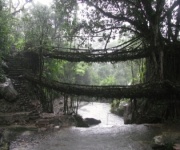
Choose a route that matches your energy and the day’s forecast. A living root bridge excursion offers a combination of village scenery, forest walking, and remarkable traditional engineering. These bridges are shaped from the aerial roots of rubber fig trees and can take decades to become strong enough for regular use.
The afternoon should remain flexible. Spend additional time at a root bridge, visit a village market, or stop at roadside viewpoints rather than adding too many distant locations. The most rewarding Cherrapunjee experiences often come from moving slowly through the landscape, listening to rain in the forest, and allowing extra time for photographs.
| Day | Main experiences | Suggested pace | Overnight |
|---|---|---|---|
| Arrival day | Transfer, hotel check-in, nearby viewpoint, relaxed dinner | Easy | Sohra |
| Day one | Nohkalikai Falls, Mawsmai Cave, optional Arwah Cave, sunset view | Moderate | Sohra |
| Day two | Living root bridge, village roads, caves or forest trails | Moderate to active | Sohra |
| Day three | Seven Sisters Falls, Dainthlen Falls, Mawlynnong or local sightseeing | Flexible | Sohra |
| Departure day | Breakfast, final stops, transfer to Shillong or Guwahati | Easy | — |
Day Three: Waterfall Country And A Wider Excursion
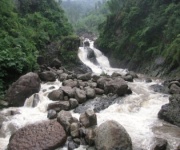
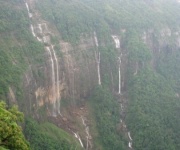
Use the third day for attractions that lie farther from central Sohra. Seven Sisters Falls is especially impressive during or soon after the monsoon, when several streams descend across the green cliff face. In drier months, the falls may be thinner, but the surrounding plateau and valley views remain worthwhile.
Dainthlen Falls is another strong choice, with a broad rocky setting and a different atmosphere from Nohkalikai. Consider adding Wei Sawdong Falls if access, weather, and road conditions are suitable. The route and walking sections may be more strenuous, so confirm current conditions locally before setting out.
If you prefer a full-day excursion, travel toward Mawlynnong, often associated with village cleanliness and community-based tourism. The journey takes time, and it is better suited to visitors who want to see another side of the Khasi Hills rather than linger at every Cherrapunjee waterfall. A shorter alternative is to explore additional viewpoints, nearby villages, and local food stops around Sohra.
Return before dark whenever possible. Mountain roads can become difficult in rain or fog, and mobile connectivity may be inconsistent in more remote areas. Your final evening is a good opportunity to enjoy a leisurely dinner, organize luggage, and prepare for the departure transfer.
Building The Right Daily Rhythm
A successful Meghalaya itinerary depends on balancing major attractions with realistic travel time. A morning departure between 7:00 and 8:00 a.m. usually provides better light, cooler walking conditions, and a greater chance of reaching popular sites before peak visitor hours. Keep at least one flexible block each day for weather and road delays.
Rainfall is part of the character of Sohra, but it also affects visibility, trail safety, and waterfall access. During intense showers, prioritize sheltered attractions, cafés, cultural stops, or shorter walks. Once the rain eases, viewpoints can become spectacular as clouds move through the valleys.
Pack layers rather than relying on one heavy jacket. Temperatures can feel cool in mist and wind, while walking uphill may quickly become warm. Waterproof footwear, a compact raincoat, dry bags, sunscreen, and insect repellent are useful throughout the year.
Essentials For A Comfortable Stay
- Waterproof walking shoes with reliable grip for caves, forest paths, and wet viewpoints
- A lightweight rain jacket, warm layer, and spare socks for sudden showers
- Reusable water bottle, small first-aid kit, personal medicines, and hand sanitizer
- Power bank, offline maps, torch, and a dry bag for phone and camera equipment
- Small cash reserve, modest clothing for village visits, and identification documents
Food, Culture And Responsible Travel
Meals in and around Cherrapunjee may include Khasi specialties, rice, pork, chicken, fish, vegetables, and warming soups. Restaurants can be spaced far apart outside Sohra town, so plan lunch stops rather than assuming food will be available near every attraction. Carry a few snacks for long drives and walking excursions.
Treat villages, forests, and sacred natural sites with care. Stay on marked paths where possible, avoid loud behavior near homes and community areas, and do not remove stones, plants, fossils, or cave formations. Local guides contribute valuable knowledge and help visitors navigate trails safely while supporting the communities that maintain them.
Living root bridges are working examples of Khasi ecological knowledge, not simply photographic backdrops. Avoid climbing on fragile sections, leaving litter, or blocking the bridge for extended photo sessions. Choose locally owned accommodations and eateries when practical, and use refillable bottles to reduce plastic waste.
Departure And Practical Planning
On the final morning, have breakfast early and check out with enough time for the road transfer. If returning to Shillong, you can stop at viewpoints along the way or continue onward to destinations such as Mawphlang, Umiam Lake, or the capital’s markets. If traveling to Guwahati, allow a generous buffer for traffic and transport connections.
Carry valid identification and check current travel requirements before entering Meghalaya. International visitors should confirm visa rules, while all travelers should verify accommodation policies, transport availability, and any local permissions required for specific areas. Weather, road access, and attraction timings can change, so confirm details with your hotel or tour operator shortly before departure.
A three-night Cherrapunjee holiday works best when its highlights are grouped by location rather than treated as a checklist. Waterfalls and caves fit naturally into the first day, forest and root-bridge experiences deserve a slower second day, and the final sightseeing day can adapt to weather, energy, and onward travel plans.
Reserve your stay and transport early through Cherrapunjee.net, especially for monsoon weekends and holiday periods. With a practical route, suitable clothing, and time left for the hills to reveal themselves, this short Sohra escape can deliver waterfalls, caves, Khasi heritage, and unforgettable cloud-filled views.