





A Seven-Night Cherrapunjee Journey Planned Day by Day
A week in Cherrapunjee, also known as Sohra or Cherrapunji, gives Australian travellers time to experience Meghalaya beyond a quick waterfall stop. The route can include misty viewpoints, living root bridges, limestone caves, forest walks, village roads and the dramatic plains near the Bangladesh border. A carefully paced itinerary also leaves room for weather delays and unhurried evenings at a hillside resort.
Travellers flying from Sydney, Melbourne, Brisbane or Perth will usually connect through an Indian gateway before continuing to Guwahati. From Guwahati, Sohra is reached by road in roughly three to four hours, depending on traffic and stops. The drive is scenic, yet winding, so building in a recovery night or a relaxed first day can make the journey more comfortable after a long flight.
A seven-night package works well for couples, families and small groups who want a balance between guided sightseeing and free time. It can be arranged as a round trip from Guwahati, or combined with Shillong, where visitors can explore markets, colonial-era sights and the hill-station atmosphere before heading towards Cherrapunjee.
The climate is very different from much of Australia. Even during warmer months, rain, cloud and cool evenings can arrive quickly. Australians accustomed to checking the Bureau of Meteorology before a trip should apply the same habit here, while also allowing for local conditions that can change between Shillong, Sohra and the lowland roads.
Set The Route Around Guwahati And Shillong
The most practical starting point is Guwahati, Assam, because it has the region’s major airport and useful road connections. After arrival, many travellers spend the first night in Guwahati or continue to Shillong if their flight lands early. A night in Shillong can soften the transition, especially for visitors arriving from Melbourne or Adelaide after several flight sectors.
A common route is Guwahati to Shillong, then Shillong to Cherrapunjee, followed by several nights based in Sohra. The return can include Mawlynnong, Dawki or a final Shillong stay before travelling back to Guwahati. This arrangement avoids packing and unpacking every day and gives the tour a clear centre.
When comparing packages, check whether airport transfers, accommodation, breakfasts, sightseeing vehicles, entrance fees and guide services are included. Some advertised prices cover only the hotel and car, while others include a more complete holiday arrangement. A written itinerary should state what happens if heavy rain closes a trail or makes a road temporarily unsafe.
Select A Comfortable Travel Window
Sohra is famous for intense monsoon rainfall, and the wet season creates powerful waterfalls, cloud-covered hills and vivid green scenery. From June to September, rain can be extraordinary, so this period suits travellers who are comfortable with damp conditions and flexible plans. Waterproof luggage covers and quick-drying clothes are essential at this time.
October to April generally offers more manageable sightseeing conditions, with clearer viewpoints and easier walking on many routes. December and January can feel cool at night, although daytime temperatures are often pleasant. Australians visiting during school holidays should reserve rooms and vehicles early, as popular dates can sell out.
There is no single perfect month for every traveller. Families may prefer drier roads and easier cave visits, while photographers may enjoy the atmospheric mist of the rainy season. Ask the local operator about current trail access rather than relying only on broad seasonal descriptions.
Shape The Seven-Night Itinerary
A seven-night stay is long enough to include the essential sights without turning every day into a race. The following outline can be adjusted according to flight times, fitness levels and rainfall.
- Night one: Arrive in Guwahati or Shillong, settle in and keep the evening light.
- Night two: Travel towards Sohra, stopping at Shillong viewpoints and local attractions.
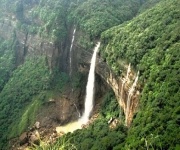
- Nights three and four: Visit Nohkalikai Falls, Seven Sisters Falls, Mawsmai Cave and nearby viewpoints.
- Night five: Walk towards a living root bridge with a local guide, allowing time for village paths and steps.
- Night six: Explore Dawki and the Umngot River, or choose Mawlynnong and nearby forest scenery.
- Night seven: Enjoy a slower Sohra morning before returning towards Shillong or Guwahati for the outbound journey.
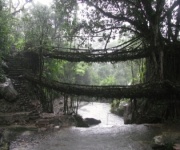
The root bridge day deserves special attention. These remarkable structures are living Ficus elastica roots trained over streams by Khasi communities, and reaching them can involve long stairways, uneven paths and humid forest conditions. Good footwear, moderate fitness and a realistic timetable matter more than trying to visit every bridge in one day.
Waterfalls and caves should be grouped according to geography. Mawsmai Cave is relatively accessible, while other cave experiences may involve darker passages, slippery rock and limited facilities. Your driver or guide can help sequence visits around rainfall, daylight and road conditions.
Compare Bases, Transport And Costs
Sohra is the best base for several nights because it keeps major attractions within practical driving distance. Shillong offers more restaurants, shopping and accommodation variety, while Mawlynnong or Dawki can provide a quieter overnight experience. For most first-time visitors, changing hotels once or twice is enough.
Travel costs vary with room category, vehicle size, season and the number of included activities. Prices quoted in Indian rupees may look unfamiliar when converted from Australian dollars, and card payments are not guaranteed in smaller villages. Carry some Indian cash, while keeping a separate emergency reserve.
| Travel style | Best for | Typical advantages | Points to check |
|---|---|---|---|
| Value guesthouse | Budget-conscious couples and younger travellers | Lower room rates and a more local feel | Heating, hot water, meal times and road access |
| Comfortable hotel | Families and most first-time visitors | Reliable rooms, private bathrooms and convenient meals | Whether transfers and sightseeing are included |
| Boutique resort | Couples seeking scenery and quiet | Views, gardens and a relaxed evening setting | Distance from town, restaurant availability and cancellation rules |
| Private guided tour | Travellers wanting flexibility | Personalised stops, local assistance and easier logistics | Vehicle type, driver hours and entrance fees |
| Small group package | Friends or solo travellers | Shared costs and a social experience | Fixed departure dates and less control over timing |
A private vehicle is generally the easiest way to move around Meghalaya, particularly for Australian visitors unfamiliar with local roads. Driving distances may appear short on a map but take longer through hills, traffic and monsoon conditions. A package with an experienced local driver can reduce stress and leave you free to enjoy the scenery.
Pack For Rain, Steps And Cool Evenings
Packing for Cherrapunjee means preparing for contrasting conditions in the same day. A compact rain jacket, waterproof walking shoes and a dry bag are more useful than a large collection of formal clothes. Accommodation may have limited drying space during wet weather, so bring several lightweight layers rather than heavy cotton garments.
Australian travellers should also consider power adapters, personal medication and sun protection. Indian sockets can vary, and remote areas may not have a nearby pharmacy stocked with a familiar brand. Keep prescriptions in their original packaging and carry a copy of important medical information.
- Quick-drying shirts and trousers for humid walks
- A fleece or light jumper for Shillong and cool evenings
- Refillable bottle, oral rehydration salts and personal medicines
- Small torch for caves, power interruptions and dark paths
- Daypack with waterproof liner, tissues and hand sanitiser
Choose footwear with firm grip for wet stone, roots and steep village steps. Sandals may be comfortable around a hotel but are unsuitable for longer forest walks. Trekking poles can help on extended bridge routes, although a simple walking stick is often available locally.
Eat Well And Travel Considerately
Khasi cuisine commonly features rice, pork, fish, chicken, vegetables and fragrant local preparations. Vegetarian meals are available, but visitors with strict dietary requirements should explain them clearly to the guide and accommodation team. In smaller settlements, choices may be simpler than in Shillong, so carrying a few familiar snacks from Australia can be useful.
Drink treated, filtered or sealed water unless your accommodation confirms that its supply is safe. Avoid assuming that clear water is suitable for drinking. A refillable bottle reduces plastic use, while purification tablets provide a practical backup for remote walks.
Respect for local communities is central to a rewarding visit. Ask before photographing people, homes, ceremonies or children. Dress modestly when visiting villages and religious sites, keep noise low and follow instructions near caves, bridges and cliff edges. Tipping is not handled exactly like Australia’s café culture; it is optional, but a modest amount for good guiding or driving is appreciated.
The region’s natural sites need careful treatment. Do not carve names into living roots, leave rubbish on trails or remove stones from caves. Travellers who take a slower approach often notice details that hurried groups miss, from birds and orchids to traditional betel-nut gardens.
Confirm The Details Before Departure
Before paying a deposit, request the operator’s full terms in writing. Confirm the number of nights, room type, meal plan, vehicle, driver, guide, airport transfers and cancellation conditions. Ask whether the quoted amount includes Indian taxes, attraction fees and any extra charges for early arrivals or late departures.
Australian passport holders should check current Indian visa requirements through official government channels before booking non-refundable flights. Passport validity, available blank pages, visa category and permitted activities can affect entry. Meghalaya travel permissions can also change according to nationality or route, so verify the latest requirements with the tour provider and relevant authorities.
Travel insurance should cover overseas medical treatment, luggage, cancellations and activities such as trekking or cave visits where applicable. Store digital copies of your passport, visa, insurance policy and emergency contacts. Keep printed copies as a backup when mobile coverage is unreliable.
For a complete overview of the website’s destination resources, accommodation information and practical travel pages, review the Cherrapunjee travel map before finalising the route. It can help you identify which attractions fit naturally into a seven-night stay instead of adding distant stops that create unnecessary driving.
Once the itinerary is settled, contact India Beacons Sojourn with your travel dates, group size, preferred accommodation level and arrival details. A locally arranged Cherrapunjee holiday can then be matched to your pace, whether you want waterfall photography, village walks, family-friendly sightseeing or a more active living-root-bridge experience. Book early for Australian school holiday periods, allow flexibility for mountain weather and set out with enough time to enjoy Meghalaya rather than simply passing through it.