



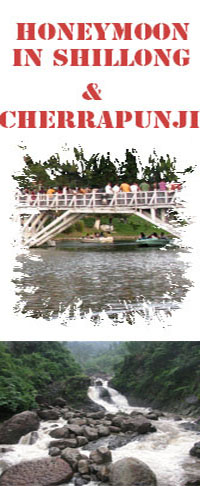
A visit to Thangkharang Park for valley views
Thangkharang Park is one of the most rewarding places to visit around Cherrapunjee, or Sohra, in Meghalaya. Set on the edge of the Khasi Hills, the park opens towards dramatic valleys, forested slopes and the distant plains of Bangladesh. It is an easy addition to a Cherrapunjee sightseeing itinerary, particularly for travellers who want wide landscapes without committing to a long trek.
For visitors from Australia, the experience feels refreshingly different from a coastal walk near Sydney, Melbourne or Brisbane. The air is cooler, the monsoon-green scenery is intense, and the roads wind through villages where daily life moves at a gentler pace. A little planning around weather, transport and suitable footwear will help you enjoy the viewpoint safely and comfortably.
Where Thangkharang Park fits into a Sohra trip
Thangkharang Park lies a short drive from the main Cherrapunjee area and is commonly combined with nearby attractions such as Kynrem Falls, Mawsmai Cave and the Seven Sisters Falls viewpoint. Its location makes it practical for a half-day outing, although many travellers choose to include it in a full-day circuit of Sohra’s waterfalls, caves and living root bridges.
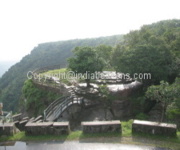
The park is known for its elevated viewpoints rather than a single landmark. From the lookout areas, the landscape drops away into deep green valleys cut by streams and seasonal waterfalls. On clear days, the southern escarpment gives views towards the Bangladesh plains, creating a striking contrast between the high plateau and the lowlands beyond.
The name is often written as Thangkharang or Thangkharang Park, while Cherrapunjee is also commonly called Cherrapunji and Sohra. Knowing these variations is useful when discussing routes with a local driver or searching for accommodation. A booking team familiar with the region, such as Cherrapunjee travel specialists, can help match the park with suitable transport and a multi-day Meghalaya itinerary.
The valley scenery and what makes it special
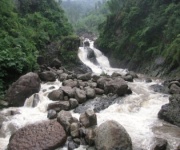
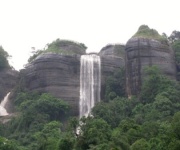
Thangkharang’s greatest appeal is the sense of space. The park stands high above the surrounding terrain, so the views extend across layered ridges, mist-filled hollows and sharply cut ravines. During the wet season, waterfalls appear on distant cliff faces and the vegetation takes on a vivid emerald colour. Clouds may move quickly across the valleys, changing the scene within minutes.
The viewpoint is particularly atmospheric early in the day, before haze builds up over the plains. Late afternoon can also be beautiful when the light catches the ridgelines. Clear skies are never guaranteed in Sohra, however. Cherrapunjee is famous for heavy rainfall, and even a sunny morning can turn into a misty or wet afternoon.
Photography is rewarding here because the landscape offers several scales at once: close grasses and trees, middle-distance cliffs, and broad horizons. A phone can capture the main view, but a camera with a wide-angle lens is useful for layered scenery. Keep equipment protected in a dry bag, especially during the monsoon, and avoid standing too close to exposed edges while concentrating on a photograph.
Planning the best time to visit
The monsoon months, broadly from June to September, produce the richest greenery and the greatest waterfall activity. This is also when cloud, rain and slippery paths are most likely. Travellers who enjoy moody landscapes may consider this part of the experience, but they should allow flexibility in case visibility disappears temporarily.
October to April generally brings more manageable conditions for sightseeing. Winter and early spring mornings can be cool, with clearer views on some days. The landscape remains attractive outside the wettest period, although waterfalls may be less powerful. Visiting after a short spell of rain can provide a good balance between fresh greenery and improved visibility.
A practical visit plan includes:
- Arriving early for calmer conditions and softer light
- Allowing extra driving time on winding hill roads
- Checking the forecast without treating it as a guarantee
- Carrying a light rain jacket in every season
- Keeping an alternative attraction ready if fog covers the valley
Australian travellers should also account for the journey from home. Flights commonly involve reaching Guwahati or Shillong before continuing by road to Sohra. A route from Perth or Adelaide will usually require more connections than one from Brisbane or Sydney, so adding a rest day can make the first sightseeing morning more enjoyable. The time difference and a long transfer through Northeast India are easier to manage when the itinerary is not tightly packed.
What to bring for a comfortable outing
The park does not require expedition-level equipment, but the combination of exposed viewpoints, damp weather and uneven ground calls for sensible preparation. Comfortable walking shoes with a firm tread are preferable to smooth-soled sneakers. Sandals may be convenient in warm Australian cities, but they offer little grip on wet paths and are not ideal around steep viewpoints.
Pack light enough to move easily, while protecting the essentials from sudden showers. A small backpack is more practical than a large suitcase during a day tour. Bring drinking water, basic snacks, sun protection and any personal medication you may need. Food choices near individual viewpoints can be limited, so do not rely on finding a café immediately after arrival.
Useful items include:
- A waterproof jacket or compact poncho
- Shoes with dependable grip
- A refillable water bottle and simple snacks
- Insect repellent, sunscreen and a hat
- A dry pouch for phones, cameras and travel documents
Australian visitors are accustomed to strong sun and may already carry SPF products for a beach day in Perth or the Queensland coast. In Meghalaya, sunscreen still matters even when the sky is cloudy, while a waterproof layer matters just as much. It is also wise to carry small Indian rupee notes for local purchases, as card terminals and mobile payment access may be inconsistent around rural attractions.
Combining the park with nearby attractions
Thangkharang Park works best as part of a carefully paced sightseeing route. Kynrem Falls is a natural pairing because it is associated with the same broad landscape of cliffs and forest. Mawsmai Cave offers a contrasting experience underground, with narrow passages and limestone formations. Travellers interested in cave photography can read this Mawsmai Cave guide before deciding whether to carry a camera through the passageways.
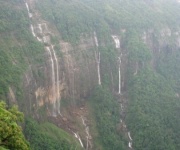
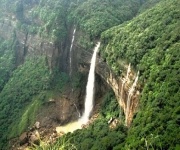
Seven Sisters Falls, known locally as Nohsngithiang Falls, is another popular stop when water is flowing strongly. The viewpoint is different from Thangkharang: instead of an expansive valley panorama, it focuses attention on tall streams dropping over a cliff edge. During dry periods, the falls may be thinner, so the order of stops can be adjusted according to weather and visibility.
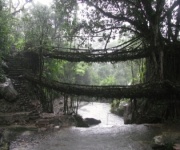
A longer Meghalaya holiday can include Nongriat’s living root bridge, Dainthlen Falls, Arwah Cave and Mawlynnong. These attractions vary significantly in walking requirements. Nongriat involves a demanding descent and ascent by many steps, while Thangkharang is better suited to travellers seeking scenic views with limited walking. Families, older visitors and anyone recovering from a long flight can therefore use the park as a gentler sightseeing day.
Practical travel details for Australian visitors
A local driver is often the most convenient way to reach Thangkharang Park and connect it with other Sohra attractions. Public transport can be inexpensive, but services may be less frequent and less convenient for a multi-stop day. Roads are generally manageable but can be narrow, winding and slow, especially during heavy rain. Build in time for traffic, roadworks and short stops in villages.
Indian entry requirements depend on nationality, passport and current government rules. Australian citizens generally need an appropriate Indian visa or e-visa before travel, and passport validity, arrival points and permitted activities should be checked through official Indian government channels. Keep digital and printed copies of key documents, and remember that Australian travellers are also subject to biosecurity rules when returning home. Declare food, plant material and other restricted items rather than assuming a small quantity will be acceptable.
Everyday travel habits may differ from what visitors know in Australia. Shops may close earlier than expected, cash remains useful, and meals can take longer than a quick takeaway stop in Melbourne or Sydney. Tap water should not be assumed to be safe for visitors, so use sealed or properly filtered drinking water. Modest clothing is appreciated around villages and religious or cultural sites, and asking before photographing people is a courteous practice.
Weather can affect mobile coverage, road conditions and opening arrangements. Keep emergency contacts and accommodation details offline, particularly if travelling beyond the main town. If you are booking a resort or hotel in Sohra, ask how far it is from the day’s attractions and whether transport is included. A room with heating or warm bedding can be valuable during cooler nights, even when daytime temperatures feel mild.
Making the most of the viewpoint
Take time to observe the landscape rather than treating the park as a brief photo stop. Walk between the designated viewing areas, listen for changes in wind and watch how mist moves through the ravines. The valley views are often strongest when the weather is changing, with patches of light revealing sections of forest and cliff before cloud returns.
Responsible behaviour helps preserve the setting. Stay on marked paths, avoid climbing barriers and carry rubbish back with you if bins are unavailable. Do not leave plastic bottles, food packaging or cigarette waste near the lookout. The park is part of a fragile highland environment that receives heavy visitor pressure during holiday periods.
A thoughtful itinerary also leaves room for rest. After a morning of caves or waterfalls, a slower stop at Thangkharang can provide a welcome change of pace. Have lunch before setting out or confirm where your driver plans to stop. If rain becomes intense, remain in a safe sheltered area rather than approaching cliff edges for a better view.
For Australian travellers, the visit offers an excellent balance of accessibility and adventure. It is far removed from a standard urban break, yet it does not demand the technical preparation of a remote bushwalking trip in Tasmania or the Northern Territory. With reliable transport, weather-ready clothing and realistic timing, the park becomes one of the most memorable scenic stops in a Cherrapunjee holiday.
Plan Thangkharang Park as part of your Sohra journey and allow enough time to experience the valleys, waterfalls and changing mountain weather at their own pace. Choose accommodation and transport suited to your itinerary, prepare for rain, and book a Meghalaya tour that gives this remarkable viewpoint the attention it deserves.