





A family walk through Cherrapunjee’s Eco Park
A walk through the Eco-Park at Cherrapunjee with kids combines a manageable nature outing with plenty to spark curiosity. Terraced gardens, damp woodland, viewpoints and the sound of running water give the visit a sense of place, while a guide can turn small observations into memorable lessons about Meghalaya’s forests, rainfall and local communities. It is an ideal part of a longer holiday rather than an isolated stop.
Cherrapunjee is also called Sohra, a name many residents prefer, and the park sits within the wider Cherrapunji landscape. Nearby waterfalls, caves and living root bridges each need time, transport and decent weather. Families benefit from choosing a few anchors for the trip and leaving room for a slow park morning, especially when children are below school age or unused to walking on wet, uneven ground.
Australian families from Sydney, Melbourne, Brisbane or Perth usually arrive with strong expectations about labelled facilities, pram access and clear inclusions. Cherrapunjee rewards flexibility: the paths can be slippery, facilities are simpler and guiding is often more valuable than a fixed schedule. A little preparation makes the difference between children who explore confidently and those who tire quickly.
Why families enjoy the Eco Park
The Eco Park gives younger visitors a gentler way to explore Sohra than some of the more demanding gorge and waterfall walks. Main areas combine planted gardens, shaded sections, lookouts and nearby water features. Children can watch the mist, compare textures of bamboo and rock, and move at their own pace without needing specialist climbing gear. A relaxed visit commonly takes around one and a half to two hours, although breaks and photographs can extend it.
Different ages need different things. Toddlers may prefer open lawns, changing scenery and frequent toilet stops, while older children can be encouraged to identify plants, look for insects and learn why heavy rain shapes the landscape. Guides can point out details that families might otherwise miss. Keep expectations realistic: the attraction is about discovering a saturated mountain environment, not visiting a children’s theme park with fixed play times.
A longer stay also makes a private driver and local guide more practical than repeated solo trips. The Cherrapunji 6N 7D package can provide a slow itinerary with enough time for the park, falls and other regional sights. Ask the operator to build in a low-energy day after a drive, as pace matters more than squeezing in every viewpoint.
What children will notice along the way
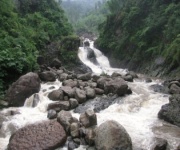
Water is the park’s strongest attraction. Children can hear it before they see it, watch droplets gather on leaves and feel the cooler air near cascades. Older travellers might connect the flow to monsoon rain, erosion and the formation of caves elsewhere in Meghalaya. A guide can explain the Khasi landscape without reducing it to a quiz, allowing children to observe first and ask questions afterward. Small nature journals work well for sketches, leaf rubbings or notes about colours and sounds.
Wildlife adds another layer, but it comes with clear family rules. Keep food in sealed containers, do not feed monkeys and never approach birds or small animals for a photograph. Leeches may be present in damp vegetation, particularly during and after the rains; this is usually a minor annoyance rather than a danger, but children should not scratch at a leech or use salt on their skin. A guide can check the chosen route that morning and explain which precautions make sense.
English is common in tourism, while Khasi is central to life in Sohra and Garo is spoken across other parts of Meghalaya. Guides may move between languages or use English place names with local pronunciations. Australian travellers sometimes use informal terms such as “arvo” and “mum”; while many in Meghalaya will understand them from context, plain requests such as “a short walk with shade and toilets” communicate the need more clearly. For extra trip research, Kos4life family travel ideas can be checked alongside advice from a Meghalaya-based operator.
Preparing for rain, roots and uneven paths
Meghalaya’s rain is not limited to one dramatic afternoon. Waterfall runoff can make rocks slick, paths puddled and viewpoints slippery, and some access points may change according to conditions. Rain in Cherrapunji is famous, but travellers should still verify the forecast before setting out. Closed or damaged paths must be respected. Children should never swim in waterfalls, streams or plunge pools; fast-moving water may carry pollutants and strong currents have little warning.
Pack lightweight waterproofs rather than one heavy raincoat, plus a change of dry clothing for each child. Closed shoes with grip are more useful than sandals, and socks should reach above the ankle where leeches are possible. Australian families accustomed to a strong UV index should still use sunscreen, hats and drinking water even under cloud. Insect repellent, a small first-aid kit, tissues and basic medicines complete a practical day bag.
A full-size pram may be awkward on steps, wet paving and narrow stretches, so a lightweight stroller should be tested rather than assumed usable. Both Australia and India drive on the left, but traffic, road surfaces and driving styles differ enough that an experienced local driver is the sensible choice. Carry some Indian rupees for small stalls and entry points, and confirm whether a hotel accepts foreign cards. Compare the AUD–INR rate and your bank’s foreign transaction fee before travel. An Australian eSIM or roaming plan may work, though offline maps and the local guide’s number are useful when mobile coverage varies.
A practical family travel checklist
Book as a family rather than treating the park as an afterthought. Ask for room capacity, extra beds, child pricing and any cot or highchair in writing. In the Australian travel market, many families compare online packages through agents and expect totals with major taxes shown; Meghalaya quotations may be based on double occupancy and can separate extras, so read the inclusions carefully. A short conversation before payment prevents misunderstandings later.
- Confirm the room can sleep everyone comfortably and ask whether children are included in the quoted price under the operator’s age policy. Treat “family room” as a room type, not a guarantee of two beds.
- Choose closed, non-slip shoes and pack lightweight waterproof layers, dry socks, repellent and a compact first-aid kit for each child.
- Build at least one flexible block into the day. If legs tire, return to the vehicle, share snacks and continue with a viewpoint or a rest area.
- Ask the guide to check paths, waterfall access and the weather forecast that morning. Follow closures and keep children away from fast water, steep edges and wildlife.
- Carry modest amounts of Indian rupees, keep payment cards in separate bags, and download offline maps plus the driver’s and the guide’s contact details.
- Request a local driver, comfortable seating and extra stopping time. These details matter more on a family day than a packed list of distant sights.
Vegetarian food is widely available, but Indian vegetarian dishes can include onion and garlic, so state “no onion or garlic” if required. Cots, child menus and Western toiletries may need to be requested in advance rather than assumed. A reusable water bottle, packed snack and lightweight rain cover reduce pressure to buy something unplanned, especially when the nearest café is not always immediately beside the trail.
Turning the park day into a Meghalaya escape
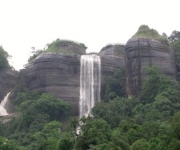
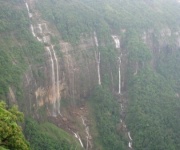
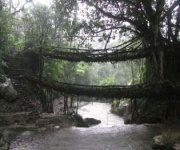
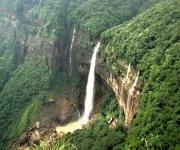
The park works especially well beside Sohra’s caves and major waterfall viewpoints. A guide can explain the area’s geology and local significance before conditions become wet or busy. Nohkalikai and Arwah Cave offer different perspectives from the surface walk, while the region’s living root bridges provide a striking contrast in construction. These visits require additional driving and walking, so spread them across the stay rather than attempting all of them after an energetic Eco Park outing.
For families wanting a compact Meghalaya itinerary, the Cherrapunji 4N 5D package offers a useful framework for combining the park with nearby attractions. Request a family-focused version of the itinerary, including realistic travel times, a driver, guide services where wanted and a rest-friendly pace. Check what entry fees, meals, taxes and guide tips are included, as quotes can vary with group size and room choice.
The next step is simple: contact India Beacons Sojourn through the Cherrapunjee booking enquiry form about dates, family rooms and a child-friendly route through Sohra. Share each child’s age, mobility needs, dietary requirements and preferred pace before booking. A properly matched package gives the Eco Park the space to shine while leaving energy for Meghalaya’s waterfalls, caves and root bridges.