





A Walk Through Mawphlang Sacred Forest Near Cherrapunjee
A walk through the Mawphlang Sacred Forest offers a quieter, more reflective side of Meghalaya. Located in the Khasi Hills, roughly an hour from Shillong and within reach of Cherrapunjee, this ancient woodland is known for moss-covered stones, dense greenery, medicinal plants and the living traditions of the Khasi people. It is a place where the landscape is valued as a spiritual inheritance rather than treated as an ordinary park.
For Australian travellers, Mawphlang makes an excellent addition to a Meghalaya holiday. The forest is quite different from a Blue Mountains bushwalk, a Daintree rainforest track or a coastal walk along the Great Ocean Road. Local guides, village customs and the monsoon-shaped terrain all influence the experience, so a little preparation helps you enjoy the walk respectfully and comfortably.
Arriving In The Khasi Hills
Mawphlang lies in the East Khasi Hills district, around 25 kilometres from Shillong. Cherrapunjee, also called Sohra or Cherrapunji, is farther south and is usually reached by road from Shillong. Travellers who stay in Cherrapunjee can visit Mawphlang as part of a longer sightseeing route, although an early start is worthwhile because the roads are winding and weather can slow the journey.
The approach passes through highland villages, open grasslands and forested slopes. Depending on the season, the hills may be wrapped in mist or washed in brilliant sunlight. This changing weather is part of Meghalaya’s character. The region receives some of the heaviest rainfall on earth, and even the drier months can bring sudden showers.
Australian visitors may find the driving rhythm different from home. Distances that look modest on a map can take longer than expected because of bends, traffic, roadworks and steep sections. A route that resembles a day trip from Brisbane or Melbourne may feel more like a full mountain excursion once stops, village roads and weather are taken into account. Building in extra time keeps the day relaxed.
A private vehicle with an experienced local driver is generally the most practical option. Public transport can be useful for independent travellers with flexible schedules, but it may not connect neatly with a forest visit and other attractions. Mawphlang is often combined with nearby viewpoints, traditional villages and the David Scott Trail area.
Understanding The Sacred Forest
The Mawphlang Sacred Forest is protected through Khasi customary beliefs and community traditions. The forest is associated with a local deity, and the land has traditionally been left undisturbed. Visitors are expected to avoid taking leaves, flowers, wood, stones or any other natural object away from the site. Even a small souvenir gathered from the ground can be considered disrespectful.
A local guide is strongly recommended, and in many visits it is part of the accepted way to enter the woodland. Guides explain the cultural meaning of the forest, identify plants and point out features that could easily be missed by someone walking alone. Their knowledge gives the visit depth, turning a short trek into an understanding of Khasi relationships with land, medicine and ancestry.
The forest floor can feel almost primeval. Thick trunks rise through layers of fern, orchids, vines and moss, while lichen softens fallen branches and stones. Some trees are associated with traditional healing practices, although visitors should never pick or use plants themselves. The value of the forest comes from its living ecosystem and cultural protection, not from collecting specimens.
Photography is welcome when done sensitively. Ask before photographing a guide, local resident or ritual feature, and follow any instructions given at the entrance. Voices should be kept low, rubbish carried out and paths treated carefully. The best approach is closer to visiting a place of worship than entering a conventional recreation reserve.
What The Walk Feels Like
The route is usually a short to moderate forest walk rather than a strenuous expedition. Uneven ground, exposed roots, damp stones and occasional muddy sections make sturdy footwear more useful than lightweight sneakers. The pace is naturally slow because the forest rewards observation: look into the canopy, examine the moss and listen for birds rather than rushing from one landmark to the next.
Rain changes the character of the trail. During the monsoon, water may run over rocks and make slopes slippery, while mist reduces visibility and gives the forest a deep, atmospheric quality. In drier periods, the path is often easier underfoot, though shade remains dense in many sections. Conditions can vary within a single day, so a waterproof layer should remain accessible.
The walk suits travellers who enjoy nature, history and cultural encounters more than those searching for an adrenaline activity. It can appeal to families with older children, photographers, couples and travellers who want a calm break between waterfall visits. Anyone with limited mobility should discuss the current trail condition in advance, as natural surfaces are not uniformly level or paved.
Australian bushwalkers will recognise some familiar habits: carry water, protect yourself from the sun and watch your footing. The setting, however, is distinctly Meghalaya. Rather than relying on marked signage and broad formed tracks like many walks in New South Wales or Victoria, visitors benefit from staying with their guide and respecting local directions.
Planning Your Visit From Cherrapunjee
Mawphlang can be arranged as a day excursion from Shillong or incorporated into a multi-night Meghalaya itinerary based around Cherrapunjee. A broader trip allows time for waterfalls, caves, viewpoints and living root bridges instead of compressing every attraction into one hurried day. Travellers interested in a structured holiday can review this seven-night Meghalaya package, which provides a useful starting point for planning a longer regional experience.
The most comfortable timing depends on your priorities. The monsoon months bring dramatic cloud, full waterfalls and intensely green scenery, but roads and tracks can be wet. The cooler, drier season often makes walking and sightseeing easier, with clearer views on many days. Spring can bring fresh foliage and flowers, while the transition between seasons may offer a balance of colour and manageable conditions.
Australian travellers should check passport validity, Indian visa requirements and current travel advisories well before departure. An Indian e-Visa may be suitable for many Australian passport holders, but eligibility and entry rules can change. Confirm the latest information through official Indian government sources rather than relying only on old travel posts. Carry digital and printed copies of important bookings, insurance details and identification.
Useful items for the forest walk include:
- Comfortable shoes with reliable grip and ankle support
- A light waterproof jacket or compact rain poncho
- Reusable water bottle, sun protection and insect repellent
- Small daypack with tissues, hand sanitiser and personal medication
- Phone or camera protected in a waterproof pouch
A few practical checks can make the day smoother:
- Confirm whether a local guide and entry fee are included in your arrangement
- Allow extra road time for rain, traffic and mountain conditions
- Carry Indian rupees for small purchases and village services
- Avoid loud music, littering and removing anything from the forest
- Keep your itinerary flexible if heavy weather affects access
Making The Forest Part Of A Meghalaya Holiday
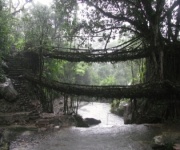
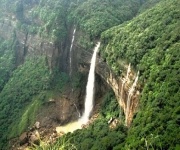
Mawphlang works best as part of a journey that gives the Khasi Hills room to unfold. From Cherrapunjee, travellers can pair the forest with Nohkalikai Falls, Mawsmai Cave, Arwah Cave, Seven Sisters Falls or a visit to a living root bridge. Each attraction reveals a different aspect of the region: powerful rainfall, limestone geology, ingenious village traditions and remarkable biological knowledge.
The forest also provides a useful contrast to the dramatic viewpoints and famous waterfalls around Sohra. Waterfalls naturally draw attention, especially during the rainy season, but a woodland visit invites a slower form of travel. Instead of looking across a vast valley, you notice details at close range: a small plant growing on bark, the texture of wet stone or the way light filters through overlapping leaves.
Accommodation choices range from hotels and resorts in Cherrapunjee to stays in and around Shillong. Remaining in Cherrapunjee reduces the need to relocate every night and places several major attractions within the same sightseeing circuit. Shillong may suit travellers who prefer a larger choice of restaurants, shopping and urban services before or after their time in the countryside.
Food is another part of the experience. Meghalaya is known for Khasi and other northeastern Indian dishes, with rice, pork, fish, greens and aromatic local preparations appearing in many meals. Visitors accustomed to Australian café menus may find breakfast and dining times less predictable outside larger towns, so a small snack in your daypack is sensible. Let your accommodation know about allergies or dietary requirements ahead of time.
The journey is especially rewarding when approached with curiosity rather than a checklist. Take time to hear the guide’s stories, observe village life from a respectful distance and accept that weather may alter the day’s sequence. Travel in Meghalaya is measured as much by atmosphere and encounter as by the number of places visited.
To arrange transport, accommodation or a tailored Cherrapunjee itinerary, contact the tour planning team before your arrival. With the right route and local guidance, a walk through Mawphlang Sacred Forest can become one of the most memorable, thoughtful experiences in the Khasi Hills.