




A Walk Through the Orange Orchards of Sohra
Sohra, also known as Cherrapunji or Cherrapunjee, is famous for rain, cliffs and dramatic waterfalls. Yet between the cloud-covered escarpments and forested valleys, another landscape rewards patient travellers: orange orchards spreading across village slopes. A walk here offers a slower way to experience Meghalaya, with citrus scent, birdsong, mossy paths and wide views replacing the rush between major sights.
The orchards are part of a living rural setting rather than a packaged attraction with a fixed entrance gate. Depending on the season and local conditions, a route may pass through small farms, village lanes, betel nut groves, streams and shaded woodland. Fruit trees are cultivated by families, so visitors should treat the land as working property and follow a local guide’s directions before entering.
For Australian travellers, the experience can feel refreshingly different from a weekend visit to a farmers market in Melbourne, Brisbane or Sydney. The produce is grown in a wetter, hillier environment, and the walk may involve uneven ground, slippery stones and sudden changes in weather. It is a gentle cultural encounter when taken at the right pace, rather than a conventional orchard tour designed around tastings and photo stops.
Sohra works well as part of a wider Meghalaya holiday. A two-night stay can include nearby viewpoints and cascades, while longer packages allow time for caves, living root bridges, village walks and quieter countryside. Spending several days in the region gives the orchard experience room to unfold without squeezing it between too many scheduled attractions.
The Orchard Landscape Around Sohra
Orange cultivation around Sohra is closely connected to the region’s high rainfall, cool upland climate and fertile soil. The Khasi Hills receive some of the heaviest rain on earth, and the landscape responds with dense vegetation, moss-covered rocks and lush garden plots. Orange trees add a distinctive colour and fragrance, especially when fruit is mature and the foliage is bright after rain.
The walk may move through several layers of countryside. A narrow trail can begin near a settlement, follow a ridge or contour around a hillside, and then descend towards a stream. Homes, small plantations and forest patches appear together, showing how village life, food production and the natural environment overlap. Your guide can explain which trees are being harvested, how fruit is handled and where visitors may walk.
The best photographs often come from details rather than a single grand viewpoint. Look for oranges against glossy leaves, droplets collected on branches, woven baskets, red earth beneath the trees and cloud drifting across the valley. The changing light is part of the appeal: a bright morning can turn misty within minutes, giving the orchard a completely different mood.
Choosing The Right Time To Walk
Sohra’s wet climate means there is no simple dry-season guarantee. The monsoon months bring powerful rain, swollen streams and intensely green scenery, but paths can become muddy and exposed steps may be slick. Travellers who prefer easier walking often choose the cooler months, when conditions are generally more manageable and the air remains fresh.
Fruit availability varies with altitude, farm practices and the timing of the local harvest. An orchard may be beautiful even when trees carry no ripe fruit, so the walk should be valued for its landscape and village setting rather than promised picking. Ask your accommodation or tour operator about current conditions before setting out, as a local update is more useful than a generic seasonal calendar.
Australians planning around school holidays should remember that Meghalaya’s weather does not follow the same pattern as summer breaks in New South Wales or Victoria. December and January can be comfortable for sightseeing, while July school holidays fall during a wetter period. Families travelling from Perth, Adelaide or Canberra should build in recovery time after the long international journey and avoid booking a tightly packed first day.
A morning start is usually practical. It leaves time for the walk, a relaxed meal and other sights if the weather changes. It also helps avoid returning along unfamiliar paths in fading light. Your guide can adjust the route to suit fitness, rainfall and the condition of local trails.
Walking With The Village Landscape
An orchard walk becomes more meaningful when visitors notice how people use the land. Khasi communities have long developed ways of living with steep hills, heavy rain and thick vegetation. A path may be reinforced with stone, shaped around drainage channels or shared with farmers carrying tools and produce. These ordinary details reveal more than a quick scenic stop.
Ask before photographing homes, workers or children, and do not pick fruit unless the landholder invites you to do so. A friendly greeting and a willingness to follow local etiquette go a long way. In many villages, a calm, respectful presence is appreciated more than loud excitement or hurried group behaviour.
The local market provides another connection with the orchard economy. Depending on the day, stalls may offer citrus, seasonal vegetables, ginger, honey and other regional produce. Unlike a polished farmers market in Sydney with standardised labels and card-only stalls, a Meghalaya market can be informal, lively and strongly dependent on the day’s harvest. Carry small Indian rupee notes, as digital payments and card facilities are not universal in rural areas.
The fruit itself may taste different from supermarket oranges sold in Australia. Varieties, ripeness and growing conditions affect sweetness and acidity, and freshly harvested citrus can have a vivid aroma. If you buy produce, use a reusable bag and ask your guide which sellers are local growers.
Pairing The Orchard With Waterfalls
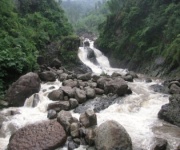
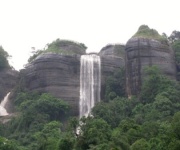
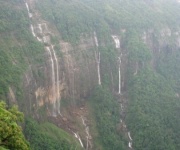
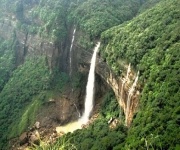
The orchards fit naturally into a day exploring Sohra’s famous cascades. Water shapes the entire region, from fine streams threading through villages to spectacular falls dropping over the plateau edge. Combining a rural walk with one or two viewpoints creates a varied day without treating the countryside as a short photo detour.
Allow more time than a map may suggest. Roads wind around hills, rain can slow traffic and viewpoints may require a walk from the vehicle. The distance between attractions is only part of the schedule; waiting for clear views, navigating wet steps and stopping for local food all add to the day. A flexible itinerary is especially valuable during the monsoon.
For ideas about arranging a waterfall-focused outing, read this waterfall guide. It can help place an orchard stroll within a broader sightseeing route while leaving enough time to appreciate the landscape rather than racing from one stop to the next.
Keep footwear and clothing suitable for both settings. A pair of trail shoes with firm grip is more useful than smooth-soled casual shoes, and quick-drying trousers are preferable to denim after a shower. A light waterproof layer should stay accessible in your daypack, even when the sky looks clear at breakfast.
Preparing For A Comfortable Visit
Accommodation in and around Sohra ranges from simple guesthouses to comfortable resorts and hotels. Staying locally makes an early start easier and lets you experience the changing atmosphere of the hills after day visitors have left. Ask the property about guide arrangements, transport, packed meals and the current condition of walking routes.
Food planning matters on a rural excursion. Some routes pass no café or shop for several hours, so carry drinking water and a small snack. Local meals may include rice, vegetables, meat or regional specialities, with options depending on the property and village. Travellers with dietary restrictions should explain them clearly in advance rather than relying on last-minute choices.
Australian visitors should check India’s visa requirements before departure and keep copies of important travel documents. A valid passport, travel insurance and a realistic health plan are sensible basics. Pack sun protection even under cloud: Australian travellers are familiar with strong UV, but mist can make the hills feel cool while exposed sections still cause sunburn.
Mobile coverage may vary, and internet access can be less reliable outside town. Download essential maps, save accommodation details offline and tell someone your approximate plans. This is particularly useful if a group separates briefly for photographs or if rain causes a change of route.
Simple Choices For A Better Orchard Visit
A thoughtful approach protects the farms, keeps the walk enjoyable and supports the people who make the experience possible. These practical choices are useful for independent travellers and for guests joining a multi-day Meghalaya package:
- Arrange a local guide or confirm permission before entering an orchard.
- Wear grippy, closed footwear and carry a waterproof layer throughout the walk.
- Bring reusable water bottles, snacks, sunscreen and small Indian rupee notes.
- Ask before taking photographs, touching fruit or purchasing directly from a farm.
- Leave flowers, fruit, stones and plants where they are unless a local host offers them.
- Keep noise low, stay on agreed paths and take all packaging back with you.
- Allow extra time for rain, muddy trails, traffic and unplanned village conversations.
The most rewarding route is rarely the one with the greatest number of stops. It is the one that gives you time to notice the scent of citrus after rain, the work behind a basket of fruit and the way a cloud bank settles over the Khasi Hills. Slow travel also makes it easier to support small eateries, local drivers, guides and family-run accommodation.
Before travelling, review the travel information available for Cherrapunjee, including accommodation, attractions, practical guidance and booking contacts. A local operator can help match the walk with your preferred pace, transport arrangements and the number of nights you have available.
An orchard visit can be arranged as a quiet half-day or woven into a longer Sohra itinerary with caves, waterfalls, parks and living root bridges. Contact Cherrapunjee.net to plan a Meghalaya holiday that gives this distinctive rural landscape the time it deserves, and begin your journey beyond the usual viewpoints.