





Responsible Travel Practices for Khasi Villages
Khasi villages around Cherrapunjee, also known as Sohra or Cherrapunji, offer a kind of travel experience that cannot be created in a resort or reproduced in a city attraction. Forest paths, living root bridges, limestone caves, village markets, waterfalls, and traditional homes are closely connected to community life. Visitors arrive for the scenery, yet the most lasting impressions often come from local knowledge and everyday hospitality.
Responsible tourism in these communities means travelling with care for the land, respecting Khasi customs, and ensuring that tourism income reaches residents. A thoughtful visit can support homestays, guides, drivers, craft makers, farmers, and small restaurants while reducing pressure on fragile ecosystems.
The best approach is simple: slow down, learn before arriving, spend locally, and leave natural and cultural places in the condition in which you found them. These practices make a trip more rewarding while helping villages retain control over how visitors experience their homes.
Learn About Khasi Culture Before You Arrive
Khasi society has its own languages, traditions, social structures, foodways, and relationship with the natural world. A little preparation helps visitors avoid treating villages as scenic backdrops. Learn the correct names for places, understand that Sohra is the preferred local name for Cherrapunjee in many contexts, and read about the history of Meghalaya before travelling.
Ask your guide or accommodation host about appropriate behaviour in homes, churches, sacred groves, village paths, and community-managed attractions. Some places may have restrictions on photography, noise, clothing, alcohol, or access during ceremonies. A polite question is more respectful than assuming that every public-looking space is open for unrestricted tourism.
Dress modestly when entering villages, religious sites, or family homes, particularly during festivals and ceremonies. Greetings and a few local words can create a warmer exchange, but avoid imitating accents or turning cultural customs into entertainment. The goal is genuine participation and understanding, not collecting unusual experiences for social media.
Choose Community-Based Stays And Guides
Accommodation decisions have a direct effect on village economies. Homestays and locally managed guesthouses often keep a larger share of visitor spending within the community than distant, externally operated properties. They also offer insight into regional food, farming, architecture, and family life that is difficult to gain from a short sightseeing stop.
When booking a tour, look for clear information about who operates it, how local staff are paid, and whether village visits are arranged with community consent. A responsible operator should use trained local guides where possible, avoid overcrowding, and explain expected conduct before entering residential areas. The Cherrapunjee travel guide provides a useful starting point for planning attractions, accommodation, practical travel details, and multi-day visits.
A local guide does more than show a route. They can identify medicinal plants without damaging them, explain the history of a living root bridge, point out safe cave passages, and interpret customs in a respectful way. Pay agreed fees promptly and fairly, and do not ask guides to enter restricted places or arrange access that residents have not approved.
Spend Locally And Buy With Respect
Village tourism becomes more valuable when visitors purchase goods and services directly from residents. Eat at locally owned cafés, hire village drivers, choose community guides, and buy handmade products from the people who made them. Fair spending helps distribute tourism income beyond large hotels and central booking platforms.
Khasi handicrafts may include bamboo and cane work, woven products, baskets, shawls, jewellery, and other items shaped by local skill and available materials. Ask about the maker, material, and care instructions rather than bargaining aggressively. A small reduction may seem insignificant to a visitor but can reduce the return for many hours of skilled work. Visitors can learn more about purchasing ethically through this guide to local markets and crafts.
Avoid buying items made from protected wildlife, rare plants, archaeological material, or resources collected illegally. Do not remove stones, roots, shells, flowers, or cultural objects from trails and village spaces. Authenticity is meaningful only when the process behind a product is legal, fairly paid, and environmentally responsible.
The following choices can help travellers balance enjoyment with community benefit:
| Travel decision | More responsible practice | Why it matters |
|---|---|---|
| Accommodation | Select a locally operated homestay or guesthouse | Keeps revenue within the village and supports household livelihoods |
| Guiding | Hire a trained local guide for trails, caves, and cultural visits | Improves safety and provides accurate community-based interpretation |
| Shopping | Buy directly from makers and ask about materials | Rewards local skill and discourages exploitative resale |
| Transport | Share vehicles or use local drivers for longer routes | Reduces emissions and supports transport workers |
| Meals | Eat seasonal food at local establishments | Strengthens small businesses and reduces dependence on imported goods |
| Photography | Ask before photographing people, homes, or ceremonies | Protects privacy and cultural dignity |
Protect Waterfalls Forests And Living Bridges
The landscapes around Sohra are beautiful because they are ecologically active, not because they are empty. Heavy rainfall, steep slopes, streams, forests, and limestone formations can be easily damaged by careless foot traffic and waste. Stay on established paths where they exist, follow local instructions, and never climb barriers or enter closed areas for a better photograph.
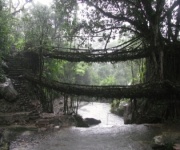
Living root bridges require particular care. They are shaped over generations by living tree roots and maintained through long-term community knowledge. Do not pull, cut, carve, or tie objects to the roots. Keep groups small on narrow structures, avoid loud behaviour, and respect any weight or access limits set by residents.
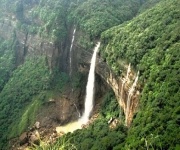
Waterfalls and pools can conceal slippery rocks, sudden currents, and changing conditions during the monsoon. Use designated viewpoints, avoid swimming where it is prohibited, and follow guidance from local authorities or guides. Never leave food packaging, cigarette ends, toiletries, or disposable footwear near water sources.
Carry a reusable bottle and refill it where safe. Refuse that cannot be avoided should leave with you, especially in remote areas where collection services are limited. Biodegradable does not mean harmless: fruit peels, tissues, and food scraps can attract animals, spread disease, or alter a site’s appearance and ecology.
Photograph People And Places With Consent
Photography can preserve memories, but it can also turn residents into subjects without their permission. Ask before taking close-up photographs of people, children, homes, workers, religious gatherings, and community events. A friendly gesture is not always consent, particularly when there is a language or power difference.
If someone declines, accept the answer immediately. Do not offer money in exchange for a photograph unless a clearly arranged cultural experience includes that practice and the person understands the terms. Avoid photographing private rituals, funerals, sacred objects, or people engaged in prayer unless a host explicitly says it is welcome.
Geotagging deserves care as well. Sharing the exact location of a little-known pool, forest grove, viewpoint, or village home can bring sudden crowds and litter. Ask local guides whether a location should be posted publicly. Responsible travel content can highlight the beauty of Meghalaya without revealing sensitive places or presenting a living community as an undiscovered attraction.
When posting online, use accurate captions and avoid stereotypes about remote villages, poverty, or “untouched” communities. Mention local guides, homestays, artisans, or community initiatives when appropriate. This directs attention toward the people who make the experience possible rather than presenting the landscape as ownerless.
Travel Safely During Weather And Seasonal Changes
Sohra is famous for intense rainfall, and weather can change quickly. Rain affects roads, trails, waterfalls, cave entrances, and bridge crossings. Build flexibility into an itinerary instead of pressuring drivers or guides to continue during unsafe conditions. A delayed excursion is preferable to a rescue operation that places residents and workers at risk.
Wear shoes with secure grip, carry rain protection, and keep phones and documents in waterproof bags. Tell your accommodation host or guide about health conditions that may affect walking, climbing, or exposure to damp weather. Stay together on village trails and follow instructions in caves, where darkness, loose rock, narrow passages, and sudden water can create serious hazards.
Travel insurance should cover the activities you plan to undertake, including trekking or adventure excursions where relevant. Keep emergency contacts, identification, accommodation details, and transport information accessible. Visitors should also understand that remote areas may have limited mobile coverage and medical facilities.
Being prepared is part of respecting the community. Local residents should not have to take avoidable risks because a visitor ignored weather warnings, wore unsuitable clothing, or insisted on reaching a viewpoint. Responsible itineraries leave room for changing conditions and value the journey as much as a particular photograph.
Support Fair And Low-Impact Village Visits
A village visit should be arranged as an exchange rather than a performance. Follow local rules about parking, walking routes, waste, alcohol, drones, and the use of shared spaces. Keep voices low near homes and schools, avoid blocking roads or doorways, and do not enter a property without an invitation.
Groups should be sized according to the place being visited. Large crowds can overwhelm narrow paths, toilets, water supplies, and household routines. If a site becomes congested, wait, shorten the visit, or return at a quieter time. Spreading visits across different attractions and seasons can help reduce pressure on a few famous locations.
Ask whether a community fee, conservation charge, or photography fee applies, and pay it without complaint when it supports maintenance or local services. Keep receipts where available and choose transparent operators. If a service feels unclear, ask who benefits rather than assuming the money reaches the village.
These practical habits make a meaningful difference:
- Carry reusable water bottles, bags, and rain covers instead of relying on disposable items.
- Ask permission before photographing people, entering homes, or recording cultural activities.
- Hire local guides and drivers, and choose community-based accommodation where available.
- Stay on marked trails and follow restrictions around caves, waterfalls, forests, and root bridges.
- Buy directly from local makers and avoid products made from protected or questionable materials.
A respectful traveller also shares space generously. Let residents pass on narrow paths, keep music and phone calls quiet, and avoid treating village roads as photo sets. Small acts of courtesy can determine whether tourism feels beneficial or intrusive to the people who live there.
Make Your Visit Part Of A Longer Relationship
Responsible travel does not end when a visitor leaves Meghalaya. Use social media to promote accurate information, ethical businesses, and conservation-minded behaviour. A review that praises a local guide’s knowledge, a homestay’s hospitality, or a craft maker’s work can support livelihoods more effectively than a generic rating.
Consider returning to businesses that treated you well, recommending them to friends, and choosing operators that publish clear policies on waste, safety, community involvement, and fair employment. If a concern arises, raise it privately and constructively with the operator or host. Public criticism should be factual and should not expose individuals to harassment.
The most valuable souvenir may be a better understanding of how landscape and community are connected. When visitors arrive prepared, spend carefully, and behave respectfully, tourism can help protect Khasi heritage and the natural places that sustain it. Plan a considerate stay in Sohra, select experiences that benefit local people, and use Cherrapunjee.net to begin arranging a trip that leaves positive value behind.