





Cherrapunjee for Solo Travelers: Safety and Tips
Cherrapunjee, also known as Sohra or Cherrapunji, is a rewarding destination for independent travelers who enjoy dramatic landscapes, village walks, caves, waterfalls, and living root bridges. The region’s beauty is closely tied to its weather and terrain, so a successful solo trip depends on planning with flexibility rather than trying to fit every attraction into a rigid schedule.
Sohra is welcoming, but it is not a conventional city break. Roads wind through the Khasi Hills, mobile coverage can vary, and many viewpoints or trails require walking over wet, uneven ground. Distances that appear short on a map may take longer because of mountain roads, traffic, rain, and stops for sightseeing.
A little preparation makes the experience far easier. Choose reliable transport, keep someone informed about your daily route, respect village customs, and allow enough time to enjoy each place without rushing. With those habits, solo visitors can explore Cherrapunjee confidently while remaining aware of the conditions around them.
Plan Around the Landscape And Weather
The best itinerary begins with an honest understanding of the landscape. Cherrapunjee’s attractions are spread across plateaus, forest paths, valleys, and rural communities. Waterfalls may be close to a parking area but still involve steep steps, while destinations such as Nongriat and its living root bridge require a demanding descent and ascent.
Rain can arrive quickly, especially during the monsoon season. A clear morning does not guarantee a dry afternoon, and mist may reduce visibility at viewpoints. Pack a waterproof cover for your phone and day bag, use a compact rain jacket rather than relying on an umbrella, and keep one complete change of clothes in a sealed pouch.
The shoulder seasons can offer a useful balance between greener scenery and more manageable trail conditions, although weather remains changeable throughout the year. Check local forecasts before leaving your accommodation, then confirm road and trail conditions with your host or driver. If heavy rain has affected a route, replacing one attraction with a nearby viewpoint or cultural stop is usually the safer choice.
Travel Safely Between Sohra’s Attractions
Hiring a local driver for day trips is often the simplest option for solo travelers. A driver familiar with Sohra can manage winding roads, identify practical stopping points, and advise when a trail or waterfall is unsuitable. Agree on the route, start time, waiting arrangements, and total cost before setting out. Save the driver’s number and your accommodation details offline.
Shared taxis can be useful for reaching larger settlements, but they may operate on schedules that are less convenient for a sightseeing itinerary. If you use public transport, begin early and ask locally about the final return option before starting a walk. Avoid depending on the last vehicle of the day when visiting a remote attraction.
Walking alone is reasonable on established, busy routes during daylight, but remote trails deserve extra care. Tell your hotel, resort, driver, or a trusted contact where you are going and when you expect to return. Carry enough water, basic snacks, a small first-aid kit, and a fully charged phone. A power bank is valuable because charging opportunities can be limited during long day trips or power interruptions.
Choose Accommodation That Supports Independence
Your accommodation affects how comfortable and secure the trip feels. Resorts and hotels in and around Sohra vary from central properties with easy access to restaurants and transport to quieter stays surrounded by forest or farmland. A central location can be convenient for a first solo visit, while a peaceful outlying property may suit travelers who value scenery and privacy.
Before booking, check whether the property can arrange taxis, serve meals at suitable times, and provide assistance when weather disrupts travel. Ask about the approach road, reception hours, hot water, generator backup, and mobile connectivity. These details matter more in a hill destination than polished photographs alone.
Keep your identification, money, medication, and electronics in a secure place. Use the room’s available locking facilities and avoid displaying expensive equipment unnecessarily. If you arrive after dark, arrange a known transfer rather than accepting an informal ride from an unfamiliar person. Let the property know your expected arrival time, particularly when traveling from Shillong or Guwahati.
Match Activities To Your Experience
Cherrapunjee offers plenty for a solo itinerary, but the activities vary significantly in physical difficulty. Mawsmai Cave is a memorable stop for many visitors, with narrow passages and uneven surfaces that become slippery when wet. Anyone who feels uncomfortable in confined spaces should consider the route carefully. For visual preparation and photography ideas, read this cave photography guide before visiting.
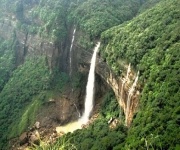
Waterfall viewpoints are generally easier than long valley walks, although railings, steps, and rocks may be wet. Wear shoes with firm grip and avoid stepping beyond barriers for photographs. The desire to capture a better view is never worth standing on unstable edges, particularly when mist or rain obscures the ground below.
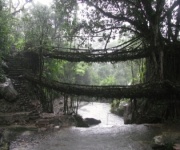
The living root bridges are among Meghalaya’s most distinctive experiences, but routes to them can involve hundreds or thousands of steps depending on the destination. Start early, descend slowly, and plan for the return climb. If you are uncertain about navigation or fitness requirements, use a local guide. A guide can also explain the ecological and cultural significance of the bridge rather than reducing the visit to a photo stop.
| Travel choice | Advantages for solo visitors | Points to consider |
|---|---|---|
| Local private driver | Flexible timing, easier access to scattered sights, local route knowledge | Confirm price, waiting time, and itinerary in advance |
| Shared taxi | Lower cost and useful on established routes | Less flexible, limited late-day availability |
| Central hotel or resort | Easier meals, transport, and communication | May be busier and less secluded |
| Remote homestay | Local atmosphere and quieter surroundings | Confirm road access, meals, and arrival arrangements |
| Short viewpoint visit | Manageable effort and simple logistics | Weather may limit visibility |
| Long cave or root-bridge trek | Greater immersion and memorable scenery | Requires fitness, daylight, proper footwear, and preparation |
Prepare For Communication And Local Etiquette
Mobile coverage is not consistent across every section of the Khasi Hills. Download maps, booking confirmations, transport details, and important phone numbers before leaving Shillong or your accommodation. Keep digital copies of identification and travel insurance information, while carrying the originals securely when required.
English is widely used in tourism, and many people in Meghalaya also speak Khasi and Hindi. A respectful greeting, patience, and clear communication go a long way. Ask before photographing residents, homes, ceremonies, or workers. At sacred groves, villages, and community-managed sites, follow posted rules and avoid touching plants, structures, or ritual objects.
Dress for comfort and practicality rather than treating every stop as a fashion setting. Quick-drying trousers, a breathable shirt, a light fleece, and a rain layer work well. Modest clothing is considerate when visiting villages or religious and cultural places. Reusable water bottles and small waste bags help reduce litter in a region where natural attractions are especially vulnerable to visitor pressure.
Foreign visitors should check current visa requirements and any applicable permits or registration rules before travel. Indian travelers should also carry valid identification and confirm any local entry requirements for specific attractions. Rules can change, so use official sources or ask your accommodation and tour operator for current guidance rather than relying on an old blog post.
Build A Balanced Solo Itinerary
A two- or three-night stay can cover major highlights at a comfortable pace, while longer visits allow time for trails, village experiences, and weather flexibility. An itinerary that leaves space between major excursions is safer than one that treats every morning and evening as travel time. Fog, rain, road delays, and unexpected trail conditions are normal possibilities.
A practical day might combine one major activity with one or two nearby stops. For example, a morning cave visit could be followed by a waterfall viewpoint and an early return to the hotel. Save strenuous walks for the beginning of the day, when energy levels and daylight are on your side. Avoid planning a demanding trek immediately after a long transfer from another city.
Travelers seeking a ready-made schedule can review this three-night Sohra package as a starting point. A package may be especially useful for first-time visitors who prefer coordinated accommodation, transport, and sightseeing, while independent travelers can adapt the same rhythm to their own pace.
Habits Worth Keeping On The Road
- Share your daily route and expected return time with a trusted contact.
- Carry rain protection, grippy footwear, water, snacks, medication, and a power bank.
- Start remote walks in daylight and turn back when conditions become unsafe.
- Confirm transport prices, pickup points, and return arrangements before departure.
- Respect village customs, photography preferences, trail rules, and natural sites.
These habits are simple, but they address the most common sources of stress on a solo holiday: poor timing, wet equipment, uncertain transport, and insufficient information. They also leave room for the spontaneous discoveries that make Meghalaya travel memorable.
Solo travel does not mean managing every detail without support. Local drivers, guides, hotel staff, and responsible tour operators can provide practical knowledge that maps cannot. Choose assistance when a route is remote or physically demanding, and treat local advice as part of the travel experience rather than a limitation on independence.
Make Your Cherrapunjee Trip Personal And Practical
The strongest Sohra itineraries combine iconic attractions with enough unhurried time to notice the landscape. Watch clouds move across the valleys, speak with people who know the trails, and allow weather to shape the day. A flexible plan often produces a richer experience than a checklist completed under pressure.
For help arranging accommodation, transport, sightseeing, or a multi-day vacation package, contact India Beacons Sojourn through Cherrapunjee.net. Share your travel dates, preferred activity level, and whether you are traveling alone so the itinerary can be matched to your comfort and interests. Start planning your Cherrapunjee journey with local support, sensible timing, and the freedom to explore Meghalaya at your own pace.