





Cherrapunjee in winter: weather, experiences, and travel planning
Winter is one of the most comfortable seasons for visiting Cherrapunjee, also known as Sohra or Cherrapunji. From December through February, the monsoon clouds usually give way to clearer skies, cooler air, and longer stretches of dry weather. The dramatic landscapes remain green, while waterfalls, caves, forests, and valleys become easier to explore.
This season suits travelers who want to see Meghalaya beyond its famous rain. Mornings can be crisp, afternoons are pleasant, and evenings feel distinctly cool in the hills. The weather is changeable, however, so a winter trip still calls for sensible preparation rather than lightweight city clothing alone.
A stay in the region can include viewpoints around Sohra, the Nohkalikai Falls area, Mawsmai Cave, Arwah Cave, the Seven Sisters Falls viewpoint, nearby parks, and living root bridges. With a thoughtful itinerary, winter offers a good balance between sightseeing, short walks, cultural encounters, and quiet time at a hillside resort.
What the winter weather feels like
Winter temperatures in Cherrapunjee commonly range from cool mornings of around 5–12°C to mild daytime conditions of approximately 15–22°C, although the exact experience depends on altitude, wind, cloud cover, and the month of travel. December and January generally feel colder than February, particularly before sunrise and after sunset.
Rainfall is much lower than during the southwest monsoon, but Sohra is not completely dry. Light showers, mist, and passing cloud can still appear, especially around elevated viewpoints. A sunny morning may become foggy by afternoon, and visibility can change quickly along exposed ridges.
The reduced rainfall usually makes paths and roads more manageable, yet some surfaces remain damp or slippery. The region’s high humidity can also make cool air feel sharper than expected. Pack for layers rather than relying on a single heavy jacket, since daytime sightseeing may become warm when the sun is out.
Winter landscapes and sightseeing highlights
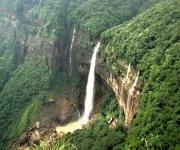
Waterfalls look different during the dry season. Nohkalikai Falls remains a striking sight, but its flow is generally less forceful than in the rainy months. The surrounding cliffs and forested slopes are often easier to see clearly, and viewpoints are less likely to be hidden behind continuous sheets of cloud. Seven Sisters Falls may also appear less dramatic, but the broad escarpment and layered landscape can be more visible.
Caves are especially appealing in winter because the approach roads and entry paths are less affected by persistent rain. Mawsmai Cave is accessible for many visitors and offers a short introduction to Meghalaya’s limestone formations. Arwah Cave involves a more natural route and can require uneven walking, so sturdy shoes and a reasonable level of fitness are useful.
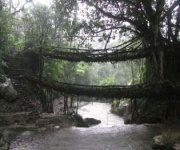
The living root bridges near Sohra reveal a different side of the landscape. Their forest trails often include stone steps, slopes, streams, and several hours of walking. Winter conditions may be more comfortable than the monsoon season, but the route can still be demanding. Visitors should allow enough time instead of treating a root bridge visit as a quick roadside stop.
Daylight, roads, and getting around
Winter days have comfortable sightseeing temperatures, but daylight hours are shorter than in summer. Starting early helps travelers reach popular viewpoints before crowds arrive and leaves enough time for cave visits or walking trails. Early departures are also useful when traveling between Cherrapunjee, Shillong, and more remote villages.
The road from Shillong to Sohra is scenic but winding. Travel time depends on traffic, roadwork, stops, and weather conditions. Shared vehicles can be economical, while a private car provides greater flexibility for viewpoints and lesser-known stops. Drivers familiar with Meghalaya’s hill roads can make the journey more relaxed, especially for visitors unfamiliar with sharp bends and changing elevations.
Fog can reduce visibility in the morning or evening, and occasional winter showers may slow traffic. Avoid filling every day with distant attractions. A schedule with some margin is more enjoyable and provides room for a delayed transfer, a longer cave visit, or a walk that takes more time than expected.
| Travel factor | What to expect in winter | How to prepare |
|---|---|---|
| Temperature | Cool mornings, mild afternoons, cold evenings | Carry warm layers and a light jacket |
| Rain | Less frequent than monsoon, with occasional showers or mist | Pack a compact rain shell |
| Visibility | Often clear, but fog can develop quickly | Keep flexible timing for viewpoints |
| Waterfalls | Lower flow but clearer surrounding scenery | Visit several viewpoints for different perspectives |
| Trails | Generally easier than in the rainy season, though still uneven | Wear shoes with reliable grip |
| Roads | Winding routes with possible traffic or weather delays | Add buffer time between destinations |
| Accommodation | Busy around holidays and weekends | Reserve rooms and transfers early |
Where to stay and how long to plan
Accommodation in and around Cherrapunjee ranges from comfortable resorts and hotels to smaller guesthouses and homestays. A property with heating arrangements, warm bedding, hot water, and an indoor dining area can make a significant difference during cold nights. Some hillside rooms may feel chilly because of drafts and high moisture, even when the daytime weather is pleasant.
Sohra works well as a base for major attractions, while stays closer to rural areas can provide a quieter setting and easier access to selected trails. Before booking, check the property’s exact location, road access, meal arrangements, power backup, and mobile connectivity. These details matter more in the hills than a simple distance listed on a map.
A two- or three-night visit can cover the principal viewpoints, a cave, and one nearby walk. Four to six nights allow a slower pace and make it easier to include living root bridges, village experiences, additional waterfalls, and time in Shillong. Travelers who want a carefully arranged route can review this five-night itinerary as a practical basis for planning a longer Meghalaya holiday.
What to pack for a winter visit
Layering is the most useful packing strategy. A breathable base layer, fleece or sweater, and water-resistant outer jacket can handle changing conditions better than a very thick coat. Add warm socks, sleepwear suitable for cold rooms, and a hat or scarf if you are sensitive to low temperatures.
Good footwear is essential for caves, forest paths, root bridges, and damp viewpoints. Choose shoes with firm soles and ankle support if you expect to walk extensively. Sandals may be convenient for the hotel, but they are unsuitable for slippery stone steps or muddy trail sections.
A small daypack should hold water, snacks, personal medicines, tissues, sunscreen, lip balm, a power bank, and a rain cover. Sun protection remains important in winter because clear mountain light can be strong. Carry identification and copies of important travel documents, especially if your wider Meghalaya route includes accommodations, transport bookings, or areas where verification may be required.
Food, health, and local experiences
Cool weather often makes warm local meals especially enjoyable. Rice, seasonal vegetables, meat dishes, soups, and simple snacks are common choices, while restaurants in tourist areas may also serve familiar Indian and continental food. Meal availability can be more limited outside the main town, so confirm dining arrangements when staying in a remote homestay or resort.
Drink enough water during walks, even when the air feels cool. Hill trails can involve continuous climbs and descents, and visitors may underestimate exertion because temperatures are comfortable. Travelers with respiratory sensitivities should carry prescribed medication, as cold air, mist, and wood smoke can sometimes cause discomfort.
Winter is a good time to experience local life without the intensity of peak monsoon tourism. Speak respectfully with residents, ask before photographing people or private property, and follow local guidance around sacred groves, bridges, caves, and village paths. Purchasing local products and using local guides can help keep tourism connected to the communities that maintain these landscapes.
Practical planning for a smoother trip
Indian travelers generally do not need a special permit simply to visit Cherrapunjee, though valid identification may be requested by transport providers or accommodation businesses. International visitors should carry a valid passport, the appropriate Indian visa or electronic authorization, and copies of their booking information. Entry requirements can change, so checking official guidance before departure is wise.
Mobile coverage varies across the hills, and internet service may be slower or less reliable in rural areas. Download maps, hotel details, transport contacts, and essential reservations before leaving Shillong. Keep some cash available because smaller shops, local drivers, and remote establishments may not accept cards or digital payments consistently.
A realistic daily plan is more valuable than a crowded list of attractions. Group nearby sites together, leave room for weather changes, and confirm opening times or local access conditions where possible. Winter is popular around Christmas, New Year, and holiday weekends, so early booking is particularly important during those periods.
Useful preparations before departure
- Reserve accommodation with reliable heating, hot water, and meal options.
- Arrange hill transport with a trusted driver or a clearly understood shared-vehicle route.
- Pack waterproof footwear, layered clothing, and a compact rain jacket.
- Download offline maps and save accommodation, guide, and emergency contact details.
- Keep flexible time for fog, winding roads, trail conditions, and longer-than-expected visits.
A winter journey through Sohra is at its best when the schedule leaves space for the landscape to set the pace. Begin with dependable transport and a comfortable base, then build in viewpoints, caves, waterfalls, forest trails, and village stops according to your interests. Browse available Cherrapunjee vacation packages and arrange your stay early so the cooler season becomes an opportunity for relaxed exploration rather than a rushed checklist.