




Cherrapunjee’s best kept secrets beyond the usual trail
Cherrapunjee, also known as Sohra or Cherrapunji, is famous for dramatic waterfalls, deep gorges, misty hills, and living root bridges. Yet the most memorable experiences often lie away from the busiest viewpoints. A narrow village path, a quiet stream, or a small family-run food stop can reveal a side of Meghalaya that many short visits miss.
The region’s hidden attractions are rarely completely unknown. Local residents, village guides, and experienced drivers know them well, while visitor numbers change with the season and weather. Some places require a short hike, a steady step, or patience when rain turns a path slippery. That extra effort is part of their appeal.
A thoughtful trip combines famous landmarks with lesser-visited places around Sohra. The Sohra travel guide can help with route planning, accommodation, sightseeing information, and multi-day holiday packages that make time for both familiar icons and quieter corners.
Follow the quieter paths around Sohra
One of the best ways to escape the regular sightseeing circuit is to explore viewpoints and village roads early in the day. The morning often brings low cloud drifting across the plateau, while afternoon rain can change visibility within minutes. Roads near the main attractions may become busy later, but smaller routes often remain peaceful.
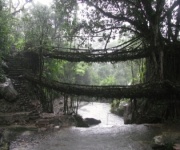
The path to Nongriat and its famous double-decker living root bridge is well known among hikers, yet the wider area still rewards slow exploration. Visitors who continue beyond the main bridge may find smaller bridges, forest pools, and shaded sections of the stream. The walk includes many stone steps, so suitable footwear and enough drinking water are essential.
Around Sohra, ask a local guide about village trails that are open to visitors. A guide can identify safe stream crossings, explain customary practices, and prevent travelers from entering farmland or sacred areas by mistake. The best offbeat experiences are built around local knowledge rather than simply following an unmarked path alone.
Waterfalls beyond the crowded viewpoints
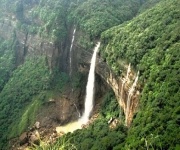
Nohkalikai Falls is an essential stop, but Sohra has a remarkable collection of waterfalls with very different settings. Kynrem Falls, near Thangkharang Park, drops through a forested landscape and is especially impressive during the monsoon. Depending on the weather, the lower sections may be difficult to reach, so viewing conditions should be checked locally.
Wei Sawdong Falls has become increasingly popular because of its striking blue-green pools and layered cascades. Its access route can be steep, and the appearance of the water varies with rainfall, sediment, and sunlight. Visiting on a quieter weekday and arriving early can make the experience more relaxed.
Dainthlen Falls also has a strong connection to local legend and offers a broad landscape rather than a single narrow cascade. Nearby roads lead through open grassland, limestone scenery, and villages where daily life continues away from the tourist centers. Travelers should avoid climbing wet rocks or swimming where currents are powerful.
Waterfalls are at their most dramatic during the rainy season, but heavy rainfall can close paths or make roads hazardous. In the drier months, some cascades become thinner while pools and forest walks may be easier to enjoy. A flexible itinerary is more useful than expecting every waterfall to look identical throughout the year.
Limestone caves, forests, and hidden pools
Sohra’s limestone landscape creates some of Meghalaya’s most fascinating natural features. Mawsmai Cave is easy to access and therefore often busy, while Arwah Cave offers a more atmospheric experience through forest and uneven terrain. Its chambers contain fossils and limestone formations, but the interior is dark, damp, and not suited to visitors who dislike confined spaces.
A local escort is valuable near less-developed cave entrances. Limestone passages can be confusing, and rainwater may rise quickly in underground channels. Visitors should never enter a cave during intense rainfall or go beyond marked and locally approved routes. Torches, shoes with firm grip, and clothing that can get wet are practical necessities.
The forest around Sohra also hides small streams and seasonal pools that do not appear on standard maps. These places can be fragile, especially when visitors leave plastic, disturb plants, or use soap in natural water. A quiet picnic should mean carrying everything back out and keeping noise low enough for the forest to remain a habitat rather than a recreation ground.
The region’s biodiversity is part of its appeal. Ferns, orchids, mosses, and unusual insects thrive in the humid climate, while birdwatchers may notice species that are easily missed beside a busy road. Moving slowly and allowing time for observation often produces richer memories than trying to collect a long list of attractions.
Choosing an experience by season and effort
The same destination can feel entirely different in spring, monsoon, autumn, and winter. Rain brings powerful waterfalls, luminous greenery, and dense mist, but it also creates slippery trails and occasional transport delays. Clearer months offer longer views across the valleys and more reliable conditions for walking.
The comparison below can help travelers match lesser-visited activities with their interests and available time.
| Experience | Best for | Effort and conditions | Planning note |
|---|---|---|---|
| Arwah Cave | Nature lovers and geology enthusiasts | Moderate walk; dark and uneven interior | Visit with a local guide and proper footwear |
| Kynrem Falls | Scenic drives and forest views | Easy viewing in suitable weather; access may vary | Combine with nearby park and viewpoint stops |
| Nongriat trails | Hikers and living-root-bridge seekers | Strenuous descent and ascent with many steps | Start early and allow most of the day |
| Wei Sawdong Falls | Photographers and waterfall lovers | Steep sections; slippery after rain | Check local access and water conditions |
| Village food stops | Travelers seeking culture and local flavors | Minimal physical effort | Ask before photographing people or homes |
| Quiet stream walks | Slow travelers and families with older children | Conditions change after rainfall | Stay with a guide and avoid fast-flowing water |
A two-night stay may cover the principal falls and one nearby walk, but three to five nights create room for hidden trails, weather changes, and unhurried village visits. Longer packages can include additional viewpoints, caves, parks, and cultural stops without reducing every outing to a rushed photo break.
Travelers interested in the people and planning behind local journeys can also meet the local team, whose regional experience helps connect visitors with suitable stays, transport, and sightseeing arrangements. Local coordination is particularly useful when a remote trail is affected by rain or temporary access restrictions.
Taste Sohra through village life
Food is one of the easiest ways to discover a less-publicized side of Cherrapunjee. Small eateries and family kitchens may serve rice, seasonal greens, smoked meat, pork preparations, dal, pickles, and local chutneys. Menus can be simple, and availability depends on the day, but the meal often reflects the climate and agricultural traditions of the Khasi Hills.
Visitors should give food vendors reasonable notice when traveling in a group, especially outside the main market areas. Some dishes may contain meat, fermented ingredients, or strong local flavors, so dietary preferences should be explained clearly. Carrying a few familiar snacks is sensible for long drives and hikes, where shops may be scarce.
Village visits should be approached as cultural encounters rather than staged entertainment. Ask permission before taking photographs, dress appropriately when entering community spaces, and follow instructions near sacred groves or traditional sites. A small purchase from a local producer can support the community more directly than buying mass-produced souvenirs at a busy attraction.
Handwoven items, cane work, local honey, and regional food products may be available in different villages and markets. Quality and supply vary, so responsible buying means checking the origin and avoiding products made from protected plants, wildlife, or ancient wood.
Plan a responsible offbeat escape
Remote attractions require a little more preparation than a standard sightseeing loop. Mobile coverage can be inconsistent, rain can delay vehicles, and some trails have no formal facilities. Keep plans realistic, tell someone the day’s route, and avoid separating from the group on unfamiliar terrain.
A practical packing list makes the difference between an enjoyable hike and an uncomfortable one:
- Wear quick-drying layers, a light rain jacket, and shoes with dependable grip.
- Carry drinking water, basic snacks, personal medicines, and a small first-aid kit.
- Bring a torch or headlamp for caves, dim paths, and unexpected delays.
- Pack a reusable bag for waste and keep plastic away from streams and forest trails.
- Carry some cash because smaller villages and remote stops may not accept digital payments.
Permits and access rules can differ according to the location, community, and current conditions. Travelers from outside India should review visa requirements before arrival, while all visitors should carry suitable identification when required for bookings or local checks. It is wise to confirm opening times, road conditions, guide availability, and weather before setting out.
Accommodation in Sohra ranges from hotels and resorts to smaller guesthouses. Staying close to the attractions can reduce driving time, while a village homestay may provide a more personal connection with local life. Choose based on the route, comfort needs, and transport arrangements rather than assuming that every property is equally convenient for remote excursions.
An offbeat Cherrapunjee holiday is most rewarding when curiosity is balanced with restraint. Leave natural formations untouched, use designated paths, avoid loud music, and respect community boundaries. These habits help preserve the quiet character that makes the region special.
Set aside time to explore beyond the standard sightseeing circuit and let weather, local advice, and unplanned discoveries shape the journey. Browse the available Cherrapunjee tours and vacation packages, then contact the local travel team to arrange a stay that brings together waterfalls, caves, living root bridges, village culture, and the quieter landscapes of Sohra.