





Cherrapunjee weather by month and what to pack
Cherrapunjee, also known as Sohra or Cherrapunji, has a cool, humid climate shaped by the Khasi Hills and the Bay of Bengal monsoon. Weather can change quickly: a bright morning may give way to mist, showers, or a dramatic cloud-filled valley within a few hours. Temperatures are generally comfortable compared with much of India, but rain, wind, and damp conditions strongly influence what visitors should carry.
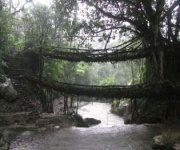
The wet season receives the most attention because Sohra is famous for powerful waterfalls, green forests, living root bridges, and extraordinary rainfall. Yet every month offers a different travel experience. Winter is clearer and more suitable for viewpoints, while spring brings fresh foliage and pleasant walking conditions. Autumn often combines receding rain with flowing waterfalls and crisp mountain air.
Packing for Meghalaya is therefore less about bringing heavy winter clothing and more about preparing for moisture, slippery paths, cool evenings, and outdoor exploration. The right layers and footwear can make visits to caves, parks, waterfalls, and village trails much more comfortable.
Reading Sohra’s climate
Cherrapunjee sits at an elevated position, so temperatures are usually milder than visitors expect from a destination in northeast India. Daytime temperatures commonly remain between the mid-teens and low twenties Celsius during the cooler months, while summer afternoons can reach the mid-twenties. Nights may feel chilly whenever mist, rain, or wind moves across the plateau.
Rainfall is the defining feature of the local climate. June through September is generally the core southwest monsoon period, with July and August often bringing especially intense or frequent showers. Rain can arrive as a short burst or continue for hours, affecting road conditions, walking trails, and visibility at viewpoints.
Humidity remains noticeable for much of the year. Clothes may take longer to dry, especially during the rainy season, and moss-covered steps or rocks can become slick. A waterproof outer layer, quick-drying clothing, and a protective cover for electronics are useful additions in every season, even when the forecast appears favorable.
January to March brings cool, clear days
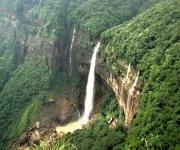
January is among the coolest months in Cherrapunjee. Mornings and evenings can feel distinctly cold, especially near exposed viewpoints, while afternoons are often bright and comfortable for sightseeing. Rainfall is usually limited, creating favorable conditions for exploring Nohkalikai Falls, Mawsmai Cave, Eco Park, and nearby villages.
February gradually becomes warmer during the day, although early starts still require a light jacket or fleece. Visibility is often good, which benefits travelers hoping to see deep gorges, distant hills, and layered valleys. Walking routes can be relatively firm compared with the monsoon months, but sturdy shoes remain important for uneven terrain.
By March, spring begins to soften the coolness of winter. The weather is usually pleasant for longer excursions, and the landscape remains green before the heaviest rains arrive. Pack breathable shirts, long trousers, a light sweater, sunscreen, sunglasses, and a compact rain jacket for sudden showers.
April and May shift toward warmer, wetter weather
April is a transitional month. Temperatures rise gently, and pre-monsoon thunderstorms become more common. These showers can be dramatic but may pass quickly, leaving fresh air and vivid greenery behind. Travelers can generally plan full sightseeing days, while allowing flexibility around afternoon cloudbursts.
May tends to feel more humid and unsettled. Rainfall increases as the monsoon approaches, and waterfalls begin to gain strength. The combination of warmth and moisture makes breathable clothing especially valuable, but evenings can still be cool in the hills.
A useful April or May packing combination includes quick-drying T-shirts, lightweight trousers, a thin fleece, a waterproof jacket, and sandals or shoes that can handle wet ground. A dry bag or sealed pouch protects phones, cameras, travel documents, and spare batteries when a storm arrives unexpectedly.
June to September is the dramatic monsoon season
The monsoon transforms Cherrapunjee into a landscape of torrents, mist, and saturated green forest. Waterfalls are at their most powerful, streams swell quickly, and cloud frequently settles over ridges and valleys. This is a compelling season for travelers who want to experience the destination’s famous rainfall and lush scenery, though outdoor plans require patience.
June often marks the beginning of the heaviest rainy period. July and August can bring prolonged showers, intense downpours, and limited visibility at some viewpoints. September may still be very wet, but rainfall often begins to ease toward the end of the month. Conditions vary from year to year, so local updates are more useful than relying on averages alone.
Rainproof equipment matters more than fashionable clothing during these months. Choose a properly waterproof jacket or poncho, trousers that dry quickly, waterproof hiking shoes with strong grip, and several pairs of moisture-wicking socks. An umbrella can help around town, but it is less practical on windy trails and near waterfalls. When arranging a rainy-season visit, a flexible three-night itinerary can leave room for changing road and trail conditions.
| Month | Typical conditions | Best experiences | Useful clothing and gear |
|---|---|---|---|
| January | Cool, mostly dry, clearer skies | Viewpoints, caves, village walks | Fleece, light jacket, walking shoes |
| February | Mild days, cool mornings, limited rain | Outdoor sightseeing and scenic drives | Layers, sunscreen, comfortable shoes |
| March | Pleasant and increasingly warm | Forest trails, bridges, waterfalls | Breathable clothes, light rain shell |
| April | Warm, humid, occasional storms | Green landscapes and sightseeing | Quick-dry clothes, rain jacket |
| May | Wetter and humid, pre-monsoon showers | Early waterfall views and short hikes | Waterproof layer, dry bag, grippy shoes |
| June | Monsoon begins in earnest | Misty scenery and powerful falls | Poncho, waterproof footwear, spare socks |
| July–August | Very wet, cloudy, heavy rainfall | Full waterfalls and dramatic monsoon views | Complete rain protection and sealed luggage |
| September | Wet but gradually easing | Green valleys and late-monsoon falls | Rain jacket, quick-dry layers, sturdy shoes |
| October | Rain decreases, fresh green scenery | Waterfalls, viewpoints, outdoor tours | Light layers, compact umbrella, walking shoes |
| November | Cooler, drier, clearer | Caves, bridges, parks, scenic routes | Fleece for evenings, comfortable layers |
| December | Cool, mostly dry, crisp mornings | Photography and relaxed sightseeing | Warm layer, trousers, sun protection |
October to December offers clearer sightseeing
October is often a rewarding month for visitors who want lush scenery without the peak monsoon intensity. Showers may continue, particularly early in the month, but roads and trails can become easier to manage as rainfall declines. Waterfalls still retain strong flow, and the hills look exceptionally fresh after the wet season.
November usually brings drier skies, clearer views, and comfortable daytime temperatures. It is well suited to combining scenic drives with visits to caves, parks, local communities, and living root bridges. Mornings can be cool, and travelers staying in higher or exposed areas may appreciate a fleece or warm overshirt.
December has a distinctly crisp feel. Rain is generally limited, visibility can be excellent, and outdoor photography is often rewarding. Pack warm layers for early mornings and nights, but avoid overpacking heavy winter clothing. A light jacket, long-sleeved shirts, trousers, and closed walking shoes are usually sufficient.
Prepare for changing conditions on every trip
Weather in Sohra can differ between the town, a valley viewpoint, a forest path, and a waterfall area on the same day. Elevation, wind exposure, cloud cover, and local showers create small but noticeable variations. A forecast may indicate a dry day while mist or rain still appears during a drive.
Layering is the most practical approach. Start with a breathable base layer, add a warm mid-layer when needed, and carry a waterproof shell that can be put on quickly. Cotton can feel uncomfortable in prolonged rain because it absorbs moisture and dries slowly; synthetic or merino blends are more useful for active travel.
Visitors should also account for the condition of attractions. Cave floors may be wet, root bridge steps can be uneven, and waterfall paths often include mud, stone, or slick vegetation. Comfortable footwear with ankle support and reliable traction is more valuable than extra pairs of casual shoes.
Packing recommendations for Sohra
Build a compact travel kit around rain protection, walking comfort, and the ability to adjust to cool evenings. The following items are useful in every month, with heavier rain gear especially important from June to September:
- A waterproof jacket or poncho with a hood, plus a small umbrella for town visits
- Quick-drying shirts, trousers, and moisture-wicking socks
- Sturdy walking shoes with good grip, preferably water-resistant
- A fleece or light insulated jacket for winter mornings, evenings, and misty viewpoints
- A dry bag, waterproof phone pouch, and protective covers for cameras or documents
Add sunscreen, sunglasses, insect repellent, personal medicines, and a reusable water bottle to the basic kit. A headlamp can be helpful around homestays, rural lanes, or power interruptions, while trekking poles may improve balance on steep, wet paths. Keep one complete change of dry clothing in your day bag rather than leaving everything inside main luggage.
Plan daily activities with the season in mind. During intense rainfall, schedule flexible sightseeing, allow extra travel time, and follow local advice before entering caves, crossing streams, or walking remote trails. In drier months, begin longer walks earlier, when temperatures are comfortable and visibility is often at its best.
A well-prepared traveler can enjoy Cherrapunjee in every season, whether the goal is misty monsoon scenery, clear winter viewpoints, or green post-rain landscapes. Choose clothing that dries quickly, footwear that grips wet ground, and an itinerary with enough flexibility for the hills. Explore available packages and arrange your Sohra journey with a local travel team so each day matches the weather and the experiences you want most.