





Cherrapunjee Weather Month By Month
Cherrapunjee, also known as Sohra or Cherrapunji, has a cool, humid climate shaped by its elevation, forested hills, and powerful monsoon winds from the south. Weather can change quickly here: a bright morning may give way to mist, showers, or a low cloud layer by afternoon. The same shifting conditions create the region’s famous waterfalls, green valleys, caves, and living root bridges.
Rainfall is the defining feature of the destination, but it does not describe every season equally. Winter is generally dry and comfortable, spring brings warmer days and occasional showers, and the monsoon transforms the landscape into a dramatic world of torrents and fog. Autumn gradually restores clearer skies while keeping the countryside richly green.
Understanding the monthly pattern makes it easier to choose suitable activities, accommodation, clothing, and transport arrangements. It also helps visitors set realistic expectations, especially when planning waterfall visits, trekking routes, cave excursions, or scenic drives from Shillong.
January And February: Clear Winter Days
January is among the driest months in Cherrapunjee. Daytime temperatures commonly remain around 15°C to 20°C, while early mornings and nights can feel distinctly cold, sometimes dropping close to 5°C or lower in exposed areas. Skies are often clear or lightly hazy, giving visitors excellent views across the plateau and surrounding valleys.
February has a similar character, although afternoons gradually become milder. The air is usually crisp, roads are easier to navigate, and popular attractions are less likely to be affected by heavy rain. Waterfalls may be less forceful than during the wet season, yet viewpoints, forest walks, and heritage sites can be enjoyed at a relaxed pace.
These months suit travelers who prefer comfortable sightseeing rather than intense rainfall. Warm layers remain useful, particularly for sunrise outings, evening walks, and stays in resorts with open or elevated settings. Dry trails also make January and February attractive for exploring natural areas around Sohra.
March And April: Spring Warmth And Early Showers
March marks the transition toward warmer weather. Temperatures often range from 17°C to 24°C, and sunshine becomes stronger during the afternoon. The landscape remains relatively dry compared with the monsoon, although isolated thunderstorms or short showers can appear as the season changes.
April is more humid and unsettled. Daytime temperatures may reach approximately 25°C, with cloud build-up becoming increasingly common over the hills. Rain is still intermittent rather than continuous, so visitors can often combine outdoor excursions with indoor or covered attractions on the same day.
This is a good period for travelers who want a balance between green scenery and manageable road conditions. Waterfalls begin to gain volume, while trails may develop muddy sections after rain. Light waterproof footwear and a compact rain jacket are sensible additions, even when the forecast appears mostly sunny.
| Month | Typical Weather | Rainfall Character | Best Suited Activities |
|---|---|---|---|
| January | Cool, dry, and often clear | Very low | Viewpoints, caves, village walks |
| February | Mild afternoons and cold mornings | Low | Scenic drives, root bridges, sightseeing |
| March | Warmer with occasional storms | Low to moderate | Trails, waterfalls, cultural visits |
| April | Humid, cloudy, and increasingly showery | Moderate | Short hikes, nature tours, photography |
| May | Warm and wet with frequent showers | High | Waterfalls, forests, flexible itineraries |
| June | Very wet, misty, and dramatic | Extremely high | Monsoon landscapes and selected viewpoints |
| July | Intense rainfall and saturated greenery | Extremely high | Rain-focused experiences with caution |
| August | Wet, cloudy, and lush | Very high | Waterfalls, caves when accessible |
| September | Showers begin to ease | High to moderate | Waterfalls, green valleys, scenic tours |
| October | Pleasant, clearer, and still verdant | Moderate to low | Hiking, sightseeing, photography |
| November | Cool, bright, and mostly dry | Low | Outdoor exploration and road trips |
| December | Dry, cool, and festive | Very low | Viewpoints, caves, villages, relaxed tours |
May To July: The Monsoon Arrives
May is the opening act of the major rainy season. Temperatures generally stay between 18°C and 24°C, but humidity rises and showers become more frequent. By the end of the month, clouds can gather rapidly, producing sudden downpours across the plateau.
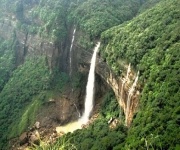
June usually brings the most dramatic change in weather. Cherrapunjee receives exceptionally heavy rainfall during this period, and the surrounding hills become intensely green. Waterfalls such as Nohkalikai, Dainthlen, and Wei Sawdong can appear at their most powerful, although spray, slippery paths, and poor visibility may affect access.
July remains extremely wet, with saturated ground, swollen streams, and frequent mist. Rain may continue for long periods, sometimes reducing visibility on winding roads. Travelers who visit during this month should allow extra time for transfers and accept that a planned viewpoint or trek may need to be changed because of safety conditions.
A monsoon holiday can be rewarding for visitors who specifically want dramatic weather and roaring waterfalls. It is less suitable for tightly scheduled sightseeing. A flexible two-night itinerary can provide a practical framework while leaving room for weather-related adjustments.
August And September: Lush Landscapes And Receding Rain
August continues the wet-season pattern, though rainfall can fluctuate from one day to the next. Dense vegetation, moss-covered rocks, flowing streams, and thick cloud make the countryside exceptionally atmospheric. Some hours may be bright, but prolonged rain remains common, particularly in the afternoon and evening.
September often signals a gradual retreat from the heaviest monsoon conditions. Showers are still substantial, and the ground remains wet, but intervals of clearer weather become more frequent. Waterfalls continue to carry impressive volumes, while green valleys and forest paths retain their peak-season appearance.
These months suit photographers and nature lovers who are comfortable with damp conditions. Waterproof bags are essential for cameras, documents, and electronics. Visitors should also check local access conditions before entering caves or attempting long root-bridge treks, since underground routes and steep steps can become hazardous after sustained rain.
October To December: Clearer Skies And Comfortable Travel
October is one of the most appealing months for visiting Cherrapunjee. Rainfall decreases, clouds begin to lift, and the hills remain vibrant after months of monsoon water. Daytime temperatures are commonly around 18°C to 24°C, making it comfortable for waterfalls, viewpoints, village excursions, and moderate hikes.
November is typically drier and brighter. The air feels cooler, roads are more reliable, and long sightseeing days become easier to organize. Waterfalls may have less volume than in June or July, but many trails are safer and viewpoints are more likely to offer broad views across Meghalaya.
December brings a distinctly dry winter feel. Days are often pleasant, while mornings and evenings can be cold, especially in open areas. The combination of clear conditions and manageable temperatures makes December suitable for travelers who want to visit caves, scenic overlooks, local settlements, and cultural attractions without frequent weather interruptions.
How Weather Shapes Activities
Rainfall affects more than the appearance of the landscape. It influences road travel, walking times, visibility, trail surfaces, and the accessibility of attractions. A route that is straightforward in November may require greater care in July, particularly where it includes steep steps, exposed rocks, river crossings, or forest sections.
The living root bridges around the region can be visited in several seasons, but wet steps and humid conditions make the journey more physically demanding during the monsoon. Caves may also have dripping entrances, slippery floors, and stronger underground water movement. Waterfall viewpoints are spectacular during and after rain, yet visitors should keep away from unprotected edges and follow local instructions.
Weather also affects what to pack. Light layers work well in the warmer months, while a fleece or insulated jacket is valuable from November through February. An umbrella can help in towns, but a waterproof jacket leaves both hands free on trails. Shoes with firm grip, quick-drying clothing, and protection for phones or cameras are useful throughout the year.
Practical Packing Priorities
- Carry a waterproof jacket or poncho, especially from May through September.
- Choose sturdy shoes with reliable traction for wet steps, mud, and uneven trails.
- Pack warm layers for winter mornings, evenings, and higher viewpoints.
- Use dry bags or waterproof pouches for electronics, medicines, passports, and cash.
- Bring insect repellent, sunscreen, a refillable water bottle, and a small first-aid kit.
Choosing The Best Month For Your Trip
The ideal month depends on the kind of Cherrapunjee experience a traveler wants. January, February, November, and December are strong choices for clear views, comfortable road travel, and dry outdoor exploration. March and April provide warmer conditions and the first signs of seasonal freshness without the intensity of the main monsoon.
May through September are best for visitors drawn to powerful waterfalls, misty hills, and saturated greenery. June and July offer the most dramatic rain, but they also demand patience and careful planning. Flexible schedules, reliable local transport, and regular weather checks are especially important during these months.
October provides a particularly useful compromise. The countryside is still beautifully green, the rain has generally eased, and conditions are more favorable for combining scenic drives with walking tours. Whichever month you select, planning activities by region can reduce unnecessary travel and leave enough time for weather changes.
A well-timed visit can reveal a different side of Sohra in every season, from crisp winter horizons to roaring monsoon cascades. Review the forecast before departure, prepare for sudden changes, and arrange your Cherrapunjee holiday around the experiences you most want to see. Book your preferred travel dates and begin planning a Meghalaya escape through Cherrapunjee’s scenic hills, waterfalls, caves, and living root bridges.