





A Family Guide To Cherrapunjee With Kids
Cherrapunjee, officially known as Sohra, is a memorable destination for families who enjoy dramatic landscapes, waterfalls, forests, and living root bridges. The Meghalaya hill town offers plenty of open-air experiences, yet a successful family holiday depends on choosing manageable walks, allowing time for rest, and preparing for quickly changing weather.
Children can watch clouds drift across deep valleys, listen to rain falling through dense greenery, and discover unusual plants and rock formations. Older kids may enjoy cave exploration and longer nature trails, while younger children often prefer viewpoints, short waterfall walks, and comfortable resort time.
Rain is part of Sohra’s character, even outside the heaviest monsoon months. Roads can be winding, paths can become slippery, and attractions may be spread across a wide area. With sensible planning, appropriate clothing, and a flexible schedule, families can enjoy the region without turning every day into a demanding expedition.
Planning A Comfortable Family Stay
The best family base depends on the children’s ages, your transport arrangements, and how much time you want to spend travelling between attractions. Resorts and hotels around Sohra provide convenient access to major sights, while accommodation slightly outside the town may offer quieter surroundings and open views. Check whether the property has family rooms, hot water, meals, parking, and reliable mobile connectivity before booking.
A private vehicle with an experienced local driver is usually the easiest option for families. Distances that look short on a map may take much longer because of hill roads, traffic, rain, and photo stops. A car also makes it simpler to carry snacks, rainwear, spare clothes, and medication. Plan one main excursion in the morning and leave room for an unplanned viewpoint or a relaxed afternoon.
Families travelling with toddlers should consider accommodation with limited steps and easy vehicle access. Older children can manage more active lodging locations, but a comfortable sleeping arrangement remains important after a day outdoors. Confirm check-in times and meal availability in advance, especially during quieter travel periods when some properties operate with fewer services.
Easy Outdoor Adventures For Young Travelers
Sohra has many attractions that work well for children because they combine scenery with short bursts of activity. Viewpoints over the Khasi Hills and Bangladesh plains are ideal for a first look at the landscape. Let children use binoculars, sketch the valley, or identify different cloud shapes instead of treating every stop as a quick photograph.
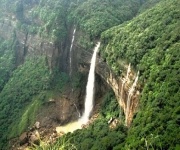
The Nohkalikai Falls viewpoint is one of the region’s most famous stops. The waterfall is spectacular, but the viewing area requires close adult supervision near railings and edges. Children should remain within arm’s reach in crowded or wet conditions. The surrounding scenery can be enjoyed without taking unnecessary risks for a better camera angle.
Mawsmai Cave is an exciting choice for school-age children who enjoy adventure. The cave is relatively accessible compared with longer cave systems, though passages may be narrow, damp, and uneven. Small children may feel nervous in dark spaces, so explain what to expect before entering. Closed shoes with a firm grip are preferable to sandals, and children should follow the guide rather than climbing on cave surfaces.
Waterfalls, Bridges, And Nature Trails
Waterfalls around Cherrapunjee create wonderful family memories, but they require a careful distinction between viewing and swimming. Water levels can change quickly after rain, rocks may be coated with algae, and currents can be stronger than they appear. Use established paths, obey local instructions, and keep children away from pools or streams unless the area is clearly designated and conditions are safe.
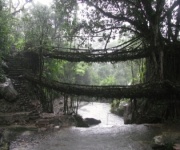
The living root bridges near Sohra are fascinating examples of traditional Khasi knowledge. Their woven roots, forest setting, and footpaths give children an opportunity to learn how communities have worked with nature over generations. Some bridges require long stairways and steep walks, so choose an outing that matches your family’s fitness level. Carry enough water and arrange breaks before children become tired.
The Double Decker Living Root Bridge at Nongriat is a demanding excursion with many steps. It can suit active teenagers and families accustomed to hiking, but it is usually unsuitable for very young children or anyone with mobility concerns. A shorter root bridge experience or a nearby nature walk may provide a better balance between discovery and comfort.
| Experience | Suitable For | Main Considerations | Helpful Preparation |
|---|---|---|---|
| Scenic viewpoints | All ages | Edges, crowds, wet surfaces | Supervision, light jacket |
| Mawsmai Cave | School-age children and teens | Narrow, dark, slippery passages | Grippy shoes, small flashlight |
| Short waterfall walks | Most families | Mud, spray, sudden rain | Rainwear, spare clothes |
| Living root bridge visit | Active children and teens | Stairs, heat, long return walk | Water, snacks, planned breaks |
| Longer Nongriat trek | Fit teenagers and adults | Extensive steps and fatigue | Early start, proper footwear |
Choose the activity according to the youngest or least confident traveller rather than the most energetic member of the group. A child who feels rushed may remember the day as exhausting, while a slower pace leaves room for observation and enjoyment. Guides and local hosts can often advise about current trail conditions.
Staying Safe In Rainy Hill Country
Weather is the central safety consideration in Meghalaya. A clear morning can become wet within minutes, and heavy rain may reduce visibility on roads and trails. Pack lightweight waterproof jackets or ponchos for everyone, including children who may resist carrying one. Umbrellas are useful in town but less practical on forest paths and around waterfalls.
Footwear should have a secure sole and adjustable straps. Flip-flops are poor choices for caves, muddy trails, and wet steps. Bring a second pair of shoes or sandals so children do not spend the evening in soaked footwear. Quick-drying clothes, extra socks, and a small towel can make a major difference after an unexpected shower.
Keep children away from unfenced drops, cliff edges, fast-flowing water, and unstable rocks. Adults should take turns supervising when a group is busy with photography or loading the vehicle. Establish a simple rule that children stay between designated adults on trails and never move ahead around bends without permission.
Road safety deserves equal attention. Hill roads include sharp turns, narrow sections, and occasional animals or pedestrians. Children should use seat belts throughout the journey, and families should avoid standing through vehicle sunroofs or leaning out for photographs. Travel during daylight where possible, particularly when rain or fog is forecast.
A basic family first-aid kit should include plasters, antiseptic wipes, motion-sickness medicine suitable for the child’s age, prescribed medication, oral rehydration supplies, insect repellent, and sunscreen. Ask a doctor or pharmacist about medicines before travel rather than relying on unfamiliar products at the destination. Save accommodation details and emergency contacts offline in case mobile coverage becomes unreliable.
Food, Health, And Daily Logistics
Local Khasi and northeastern food can be a rewarding part of the trip, but young children may prefer familiar options after an active day. Carry simple snacks such as bananas, biscuits, dry cereal, or sandwiches for drives and walks. Choose sealed drinking water, wash hands before eating, and be cautious with raw foods when hygiene conditions are uncertain.
Rain and physical activity can leave children chilled or dehydrated even when temperatures feel mild. Offer water regularly and schedule warm meals or drinks during the day. Sunscreen remains useful because cloud cover does not eliminate ultraviolet exposure. Insect repellent can help during forest visits, especially near damp vegetation.
Allow additional time for every transfer. A stop for a viewpoint, a restroom break, or a child who feels carsick can alter the schedule. Keep one small daypack accessible inside the vehicle with tissues, wipes, snacks, water, a change of clothing, a rain layer, and any essential medication.
Parents should also consider the emotional pace of travel. Young children may enjoy collecting impressions more than completing a long list of attractions. A morning waterfall, an easy viewpoint, and an afternoon at the resort may be more successful than four demanding stops. Older children can help choose between activities, which gives them a sense of ownership without placing planning responsibility on them.
Creating A Flexible Family Itinerary
A two- or three-night stay can cover the principal viewpoints, a cave, selected waterfalls, and a gentle nature experience. Longer holidays allow families to slow down, include a living root bridge visit, and account for weather-related changes. Avoid arranging a major trek immediately after a long drive from Shillong or another arrival point.
A sample family rhythm might include arrival and rest on the first day, nearby viewpoints and Nohkalikai Falls on the next, and a cave or shorter nature walk afterward. Families with older children and good fitness can reserve a separate day for a root bridge trek. The route and order should be adjusted according to rain, road conditions, and the children’s energy.
For families seeking a ready-made structure, this three-night family package can help organise accommodation, sightseeing, and transport planning around a short stay. Review the inclusions carefully and communicate children’s ages, dietary needs, room preferences, and mobility concerns before confirming arrangements.
Family Travel Essentials
- Waterproof jackets, quick-drying clothes, spare socks, and a change of footwear
- Comfortable shoes with reliable grip for caves, steps, and forest paths
- Refillable water bottles, child-friendly snacks, sunscreen, and insect repellent
- A compact first-aid kit with prescribed medicines and motion-sickness supplies
- Offline copies of booking details, identification documents, transport contacts, and medical information
Build at least one flexible block into each day. If rain makes a trail unsafe, replace it with a viewpoint, local meal, cultural stop, or relaxed resort activity rather than forcing the original plan. This approach protects the family’s comfort while preserving the sense of adventure that makes Sohra special.
Cherrapunjee rewards curiosity, patience, and respect for the landscape. Choose age-appropriate activities, listen to local safety guidance, and give children time to experience the hills at their own pace. Begin planning your family stay with a suitable package, confirm practical arrangements early, and prepare for a Meghalaya holiday filled with waterfalls, forests, caves, and memories shared together.