




Day hikes from Cherrapunjee: trails you can’t miss
Cherrapunjee, also known as Sohra or Cherrapunji, is one of Meghalaya’s finest bases for exploring forest paths, limestone landscapes, waterfalls and living root bridges. A short drive from town can lead to a steep jungle descent, a hidden cascade or a village trail surrounded by betel nut palms and misty Khasi hills.
Some walks are gentle enough for a half-day outing, while others require several hours of climbing and careful footing. The famous Nongriat route is the most demanding of the popular day hikes, but its living root bridges and forest pools make the effort memorable.
Trail conditions change quickly in the wettest region of India. Plan around daylight, carry water and allow extra time for transport, photo stops and slippery sections. A local guide is especially valuable on less-marked routes and helps ensure that village customs and private access areas are respected.
Nongriat and the double-decker bridge
The trail to Nongriat begins near Tyrna village, around a drive from Sohra followed by a long descent through dense subtropical forest. The route includes hundreds of stone steps, narrow paths and several suspension bridges. Fitness matters more on the return journey, when the same steps must be climbed uphill.
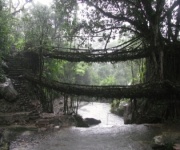
The reward is the famous Double-Decker Living Root Bridge, created by guiding the roots of rubber fig trees across a stream over many years. The structure is still living and changing, making it very different from a conventional bridge. Nearby pools offer a peaceful place to rest, although swimmers should be cautious after heavy rain.
Strong hikers can continue towards Rainbow Falls, adding several hours to the excursion. The path becomes quieter and more rugged beyond Nongriat, with stream crossings and uneven rocks. Start early, carry a packed meal and avoid beginning this extension late in the afternoon.
Rainbow Falls and forest pools
Rainbow Falls is often combined with the Nongriat walk, but it deserves separate planning because of the extra distance and terrain. The trail follows forested slopes and waterways, passing smaller cascades and quiet pools before reaching the larger waterfall. During the monsoon, the volume is impressive, though currents become dangerous and swimming may be unsuitable.
In clearer weather, sunlight can create a rainbow in the spray, giving the waterfall its name. The final approach can be slippery, and smooth rocks around the water should never be treated as safe without checking the current. Trekking sandals with secure straps or shoes with strong grip are preferable to ordinary flip-flops.
This is a full-day adventure rather than a casual sightseeing stop. Leave Sohra early, carry drinking water and snacks, and keep a dry bag for electronics and spare clothing. A guide from the local community can help with route decisions when rain alters the stream crossings.
Wei Sawdong waterfall trail
Wei Sawdong, near the Sohra region, is known for its striking blue-green plunge pools and a series of cascades framed by forested cliffs. The access walk is shorter than the Nongriat route, making it suitable for travellers who want a waterfall hike without committing to a full day of steep stairs.
The path and steps can be slick, especially during the rainy season. Visitors should follow local barriers and instructions because water levels rise rapidly after storms. The colour of the pools also varies with weather, sunlight and sediment, so photographs may look different from one visit to another.
Combine Wei Sawdong with nearby viewpoints or another attraction only after checking drive times. Roads in the plateau region can be slow, and rushing between several waterfalls reduces the time available to enjoy the trail. The walk is most rewarding when treated as a focused nature excursion.
Caves, cliffs and short walks near Sohra
Mawsmai Cave provides an accessible introduction to Meghalaya’s limestone landscape. The marked route passes through chambers, narrow passages and naturally sculpted rock formations. It is more of a cave exploration than a strenuous trek, but visitors still need to bend, step carefully and expect damp surfaces.
Arwah Cave offers a quieter and more rugged experience. Reaching the entrance involves a forest walk and uneven terrain, while the cave itself contains fossil impressions and limestone features shaped by water. It is best visited with sufficient daylight and a guide who knows the approach, particularly after rain.
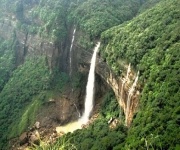
For a shorter outing, the trails around Nohkalikai Falls viewpoints provide dramatic views across the green escarpment. The waterfall is generally seen from viewpoints rather than reached by a straightforward base trail. Nearby paths may become muddy, so combine sightseeing with a relaxed walk rather than assuming every viewpoint is a trekking route.
| Trail | Typical effort | Main attraction | Best planning note |
|---|---|---|---|
| Nongriat Double-Decker Bridge | Strenuous full day | Living root bridge and forest pools | Begin early and prepare for a steep return |
| Rainbow Falls | Very strenuous full day | Remote cascade and natural pools | Add it to Nongriat only with enough daylight |
| Wei Sawdong | Easy to moderate | Tiered waterfall and plunge pools | Take care on wet steps and rocks |
| Mawsmai Cave | Easy short walk | Limestone chambers and passages | Wear shoes with grip |
| Arwah Cave | Moderate | Fossils, forest and limestone formations | Use a local guide and allow extra time |
| Nohkalikai viewpoints | Easy walking | Escarpment and waterfall panoramas | Visibility is best when clouds lift |
Kynrem Falls and the Thangkharang landscape
Kynrem Falls lies south of Sohra in a scenic area surrounded by forest and rolling Khasi hills. The principal viewpoints are reached more easily than the deep valley trails near Nongriat, making the falls a practical choice for travellers who prefer a short walk with a strong visual payoff.
The waterfall has multiple tiers and is especially powerful during the rainy months. Mist can obscure the lower sections, while dry-season flow may be more delicate. Give yourself time to explore the surrounding paths, but stay away from exposed edges and wet rock ledges.
Thangkharang Park, close to the Bangladesh-facing escarpment, adds gentle walking and wide valley views to a sightseeing day. The landscape can feel dramatically different from the enclosed forest around the living root bridges. It is a good place to slow the pace after a demanding morning hike.
Choosing the right season and route
The monsoon transforms Sohra into a landscape of full waterfalls, saturated greenery and flowing streams, but it also brings slippery steps, low visibility and sudden changes in trail conditions. June through September can be spectacular for experienced hikers who are comfortable with wet terrain, while post-monsoon months often offer a useful balance of greenery and clearer views.
Winter and early spring tend to provide more stable walking conditions. Waterfalls may be less powerful, yet caves, root bridges and viewpoints can be easier to enjoy. Temperatures are usually comfortable for hiking, although mornings may be cool and misty.
Transport arrangements should be made before setting out. Many trailheads are reached by local taxi rather than public bus, and mobile connectivity may be inconsistent. Travellers planning a longer Meghalaya holiday can review this seven-night Meghalaya package when combining Sohra’s trails with other destinations in the state.
What to carry for a day on the trail
Good preparation makes a greater difference here than expensive equipment. Trails can shift from paved village lanes to mud, roots and stone steps within minutes. Carry a small backpack that leaves both hands free for balance, particularly on descents and bridge crossings.
A reusable water bottle, simple packed food, rain protection and a dry bag are essential. Avoid carrying disposable plastic into forest areas, and take all wrappers back with you. A small first-aid kit, insect repellent, sunscreen and a flashlight are sensible additions, even for routes described as short.
Use a community guide for Nongriat, Rainbow Falls and less familiar cave approaches. Guides provide navigation and local knowledge while supporting the villages that maintain access routes. Before beginning, confirm the expected walking time, current water conditions, entry charges and whether swimming is permitted.
Practical choices for a safer hike
- Wear shoes or trekking sandals with reliable grip, plus socks that stay comfortable when damp.
- Start demanding routes early and keep a time buffer for the return before sunset.
- Carry drinking water, food, rain protection, a first-aid kit and a waterproof phone pouch.
- Check weather and waterfall conditions with your driver, accommodation or local guide.
- Follow signs, village instructions and safety barriers around caves, cliffs and fast-moving water.
Sohra’s best walks are shaped by pace and preparation. The dramatic routes to Nongriat and Rainbow Falls suit active travellers, while Wei Sawdong, Mawsmai Cave, Kynrem Falls and the plateau viewpoints provide rewarding alternatives with less exertion. Build each day around one main trail, leave room for weather changes and travel with respect for the Khasi communities whose forests and paths make these experiences possible.
Plan your Cherrapunjee stay around the trails that match your fitness, season and interests, then arrange transport and local guidance before departure so your day in the hills is safe, unrushed and memorable.