




Kyllang Rock: a geological marvel in Meghalaya
Kyllang Rock is one of Meghalaya’s most dramatic natural landmarks, a massive sandstone outcrop standing above the rain-washed hills around Mawsynram and Sohra. From signed viewpoints, the monolith appears to emerge from a sea of green, with clouds often wrapping its flanks. The experience combines visible geology, sweeping panoramas and the atmosphere of a landscape shaped by extraordinary rainfall.
For Australian travellers, Cherrapunji offers a compact yet varied highland escape, with caves, waterfalls, living root bridges and village scenery close to town. It rewards a slower itinerary than a rushed day trip: weather can shift quickly, roads twist through the East Khasi Hills and local conditions matter. A few days based around Sohra provide the safest way to experience the rock while leaving room for spontaneous walks and rest.
A living laboratory of stone
The rock belongs to the sedimentary landscapes of the East Khasi Hills, where layers of sandstone have been uplifted, fractured and cut into plateaus, ravines and sheer escarpments. Kyllang is a resistant mass within that terrain. Its broad form and exposed faces make it a clear place to observe how geology creates landmark topography rather than a single peak rising from a flat plain.
Water has done much of the sculpting. Warm, heavy monsoon rain enters cracks in the rock, widens joints and carries weathered material downhill. Over long periods, this process produces rounded surfaces, gullies and isolated outcrops. Fog, moss and shifting light add another layer to the scene, making the monolith look different whenever cloud settles across the valley.
The landscape also has cultural significance. Parts of the surrounding hill are associated with local beliefs and protected as a sacred forest, and guides often advise visitors not to climb beyond designated areas. Approach respectfully, stay on marked paths and avoid touching rock faces or collecting fragments. Such care preserves both the physical formation and the character of a place that is more than a scenic lookout.
Reading the rock from every angle
The most rewarding visit begins below the summit rather than with a scramble upward. Paths around the base offer changing views of the cliff, forested slopes and the Sohra plateau, although surfaces can be uneven and slick. Wear shoes with good grip, carry water and keep phones or cameras secured. The rock is best appreciated as a geological formation seen from several perspectives, not as a mountaineering objective.
From higher viewpoints, the visual scale becomes clear. Green ridges fall away toward the Bangladesh plains, while distant lowlands sometimes appear between breaks in the mist. Late afternoon often brings warmer colour to the stone, but cloud may hide the panorama completely. A guide who knows local conditions can suggest the clearest window and help you avoid wasting time on a crowded or fogged viewpoint.
Photographers from Australia will recognise the appeal of weathered sandstone, although Meghalaya’s combination of tropical growth and monsoon cloud is distinctive. The Blue Mountains west of Sydney offer a useful reference for how water shapes sandstone, yet Kyllang’s surrounding vegetation, rainfall and cultural setting are different. Move beyond the iconic silhouette: frame smaller details such as lichen, fractured layers, wet leaves and the scale of people against the cliff.
Weather, timing and the monsoon
The clearest conditions usually arrive between October and April, with November to March particularly comfortable for long walks. Even then, mist can appear late in the day, and a waterproof layer belongs in every day bag. The months from roughly May to September bring the heaviest rain, dramatic cloud formations and occasional intense showers. This is atmospheric, but it can also make trails slippery, viewpoints inaccessible and rural roads vulnerable to landslides.
Travel is rarely a matter of choosing one perfect day. A multi-day stay lets you place Kyllang Rock between cave visits, market time and a rest afternoon, then return when visibility improves. Avoid walking exposed routes during thunderstorms, and do not enter rivers or waterfalls whose water levels have risen after rain. Local guides can distinguish a safe viewpoint from one closed by weather, erosion or seasonal conditions.
Australian holiday calendars also affect demand and weather expectations. Christmas and New Year coincide with the northern winter and can bring cool mornings, busy hotels and more visitors from cities such as Sydney, Melbourne or Brisbane. India runs half an hour ahead of UTC and is usually two and a half to five and a half hours behind mainland Australian cities, depending on daylight saving. Check current local weather rather than relying only on an Australian forecast or a weather app set to your home city.
Caves, falls and living root bridges
Cherrapunji’s caves form a natural extension of the same story of water and fractured rock. Names such as Krem Liat Prah, Mawsmluh and Arwah attract different levels of experience, from broad chambers to passages that require crawling, helmets and a steady head for heights. Before booking, this beginner’s guide to caving explains the main cave routes, difficulty levels and practical preparation.
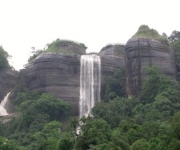
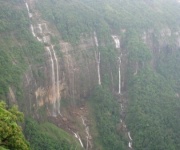
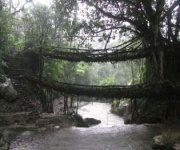
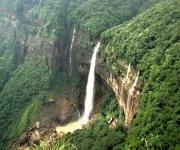
Waterfalls such as Nohkalikai, Dympep and Phe Phe add another way to read the landscape. Dympep has a broad, powerful curtain of water, while Nohkalikai descends in tiers beside a steep gorge. Living root bridges near Nongriat show a different process: local communities guide fig roots across streams until they interlock into walkable structures. Allow a full day for a bridge-and-waterfall excursion and use a local vehicle rather than trying to connect distant sights on foot.
Caving and gorge walking require caution. Wear closed shoes with a firm sole, follow guide instructions and keep clear of low ceilings, slippery ledges and fast water. Some caves involve tight squeezes, ladders or kneeling sections, so tell the operator about back, knee or claustrophobia concerns. Never assume a cave is open because a map shows it; closures are common when rain, rockfall or conservation work makes access unsafe.
Markets, meals and local customs
Sohra and Mawsynram’s local markets reveal everyday Meghalaya more clearly than a hotel buffet. Mornings are good for seasonal fruit, vegetables, rice, lentils and local produce, while small eating places serve dishes such as jadoh, pulao and putu. Ingredients vary with the season and availability, so ask what is fresh and cooked that day. Choose a busy stall with attentive service and clean surroundings, and eat where the turnover is high.
Bring some Indian rupees in small denominations. Larger hotels, established restaurants and travel agents may accept cards, but market sellers, guides, drivers and rural stalls often operate on cash. Foreign visitors should not assume they can make payments through Indian UPI apps. A modest spending budget in cash removes friction, while an Australian bank card can remain as a backup for larger expenses.
Customs also deserve attention. Remove shoes when asked, greet with a respectful “namaste”, and use your right hand for giving and receiving. Many Australians are used to eating with forks and spoons, but vegetarian options are common in Meghalaya; meat dishes may appear in restaurants and should be identified clearly. Ask before photographing people in the market or at a religious site. Tipping drivers and guides is discretionary; a small amount for good service is appreciated, even though many Australians rarely leave cash tips at home.
Planning a comfortable Cherrapunji escape
Most visitors benefit from two to four nights in Sohra, while longer packages also cover Mawsynram, Shillong and other regional sights. Decide whether you want a driver throughout, a small-group tour or independent transfers, because each changes the pace and cost. Cherrapunjee’s tour options range from brief stays to week-long itineraries, so checking inclusions before paying is essential.
A useful package should make the following clear:
- Guided sightseeing around Sohra, Mawsynram and Kyllang Rock, with realistic time for photographs.
- Private or small-group transport, plus a named local driver or guide.
- Cave visits with helmets, lamps and required permits or entry fees stated.
- Accommodation with breakfast, transfer times and baggage arrangements explained.
- Flexible free time for the market, viewpoints, cafés and rest during poor weather.
A compact day bag works better than a large suitcase:
- A waterproof outer layer and compact umbrella, since strong winds can make umbrellas awkward.
- Sturdy trail shoes with grip, plus a dry pair for long journeys by vehicle.
- Light layers for cool mornings and milder afternoons at higher elevations.
- Personal medication, sunscreen, water, insect repellent and a small power bank.
- A first-aid kit and dry pouch for protecting phones, documents and extra clothing.
For a longer Indian circuit, pairing Varanasi with Meghalaya adds the Ganges city’s sacred and historic character to the highland scenery. The contrast can suit Australian travellers who have time to explore more of the country, though each destination deserves enough days to avoid a collection of hurried stops. Keep the Meghalaya portion road-based rather than adding another distant overnight during the excursion.
Begin your Meghalaya journey
Turn your plans into a journey by reviewing the six-night Cherrapunji holiday package as a starting point for a seven-day Meghalaya itinerary. The package information provides a convenient framework for comparing sightseeing, transport, stays and experiences, while current rates and availability should be confirmed directly with the operator.
The booking site is operated by India Beacons Sojourn, whose booking team can tailor an itinerary to a particular arrival date, group size, budget or interest in caving. Ask for the exact pickup point, guide arrangements, included meals, permit costs and any surcharge for a private vehicle. A clear written itinerary helps when monsoon weather forces a change of plan.
Start by checking passport and visa requirements through official Indian channels, reviewing travel insurance and confirming accessibility needs with your guide. Then use the site’s contact details to reserve the Cherrapunji stay and driver, and secure your Kyllang Rock excursion with enough flexibility to wait for clear weather.