




Exploring Mawlynnong Village from Cherrapunjee
Mawlynnong is a peaceful Khasi village in Meghalaya, around 80–90 kilometres from Cherrapunjee, also known as Sohra or Cherrapunji. Famous for its clean lanes, flower-filled homes and strong community spirit, it offers a different experience from the dramatic waterfalls, misty plateaus and limestone caves around Sohra. The journey between the two destinations is part of the appeal, with forested hills, rural settlements and wide views towards the Bangladesh plains.
For travellers from Australia, Mawlynnong makes an excellent day trip or overnight stop during a Meghalaya holiday. It is a little like leaving the faster pace of Sydney, Melbourne or Brisbane behind and entering a place where village upkeep is a shared responsibility. Allow time to walk slowly, speak respectfully with residents and appreciate the landscape rather than treating the village as a quick photo stop.
What makes Mawlynnong special
Mawlynnong is widely known as one of India’s cleanest villages. This reputation comes from everyday habits rather than a single attraction. Bamboo rubbish bins stand along paths, homes and gardens are maintained carefully, and residents take responsibility for keeping public areas tidy. Visitors are expected to support that effort by carrying rubbish with them when bins are unavailable and avoiding single-use plastic wherever possible.
The village is inhabited mainly by the Khasi people, whose traditional social structure has a strong matrilineal character. Family names and inheritance commonly follow the mother’s line, creating a cultural setting that may feel distinct from many parts of India and from familiar Australian towns. A local walk can reveal small details of village life: betel nut palms, kitchen gardens, bamboo structures, church buildings and homes decorated with flowers.
Mawlynnong is also a good base for seeing how tourism and community life can exist together. The village has become popular with domestic and international visitors, yet its charm depends on quiet streets and local stewardship. Dress modestly, ask before photographing people or private homes, and remember that residents are welcoming hosts rather than performers in a tourist attraction.
Reaching the village from Cherrapunjee
The road from Cherrapunjee to Mawlynnong usually takes several hours, depending on weather, traffic and stops. Meghalaya’s hill roads are scenic but winding, and monsoon rain can slow the journey. A private car with a local driver is generally the most comfortable option, particularly for Australian visitors unfamiliar with Indian road conditions. Driving distances can look short on a map while taking much longer than a comparable route around Melbourne or Perth.
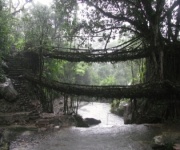
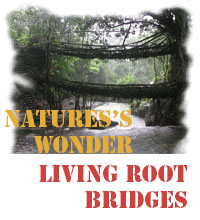
Many travellers combine Mawlynnong with Riwai village and the nearby living root bridge. Riwai’s single-decker root bridge is reached by a forest path and is one of the most memorable sights in the region. The bridge has been shaped over many years from the living roots of rubber fig trees, reflecting Khasi knowledge passed between generations. Wear shoes with good grip, especially during the wet season, because stone steps and forest trails can become slippery.
A longer itinerary may include Dawki and the Umngot River, close to the Bangladesh border. The river is celebrated for clear water and boat trips, although visibility varies with season, rainfall and river conditions. Check local advice before travelling onwards, and carry identification where required. Travellers who want to include active outings beyond village walks can also find ideas in these adventure activities around Cherrapunjee.
Things to see and do in Mawlynnong
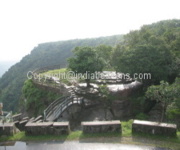
The most enjoyable activity is simply walking through the village. Narrow paths connect homes, gardens and viewpoints, while small bridges and bamboo features add to the rural character. The Mawlynnong Sky View, sometimes called the Sky Walk, is a bamboo watchtower offering views over the surrounding hills and towards Bangladesh on a clear day. It is modest rather than luxurious, and access may depend on local conditions, maintenance and opening arrangements.
The village church and surrounding lanes are worth viewing respectfully, particularly when services are taking place. Gardens are often bright with seasonal flowers, and the carefully swept paths create a calm setting for photography. Rather than rushing from one landmark to the next, spend time noticing traditional building materials, household plants and the relationship between homes and forest.
Riwai’s living root bridge is usually the main reason visitors travel beyond Mawlynnong itself. The walk through the forest is manageable for many travellers, but it involves uneven ground and steps. Visitors should allow extra time for the return journey and avoid climbing on the bridge or damaging nearby vegetation. If you are travelling with children, older family members or anyone with limited mobility, discuss the route with your driver or guide before setting out.
There are also opportunities to sample simple Khasi food and local produce. Meals may include rice, seasonal vegetables, dal, pork or chicken, depending on the establishment and availability. Food choices can be more limited than in Shillong or larger Indian cities, so people with allergies or strict dietary requirements should communicate clearly and carry suitable snacks.
Choosing the right season and staying overnight
Meghalaya is one of India’s wettest regions, and the monsoon transforms the hills into a vivid green landscape. From roughly June to September, heavy rain can make waterfalls spectacular and forests deeply atmospheric, but roads may be slower and walking trails muddy. Australians accustomed to tropical downpours in Cairns or Darwin may still find Meghalaya’s prolonged hill rain demanding, especially when cloud reduces visibility for much of the day.
The drier months, generally from October to April, are often easier for road travel, village walks and viewpoints. Conditions can be cooler than many first-time visitors expect, particularly in the early morning and after rain. Pack a light fleece or warm layer as well as breathable clothing. December and January may feel crisp at night, while spring brings pleasant temperatures and flowering gardens.
A day trip from Cherrapunjee is practical, but an overnight stay creates a more relaxed experience. Accommodation may include homestays, guesthouses and small eco-focused properties rather than large resort-style hotels. Facilities can be simple, with intermittent hot water, limited heating and occasional power interruptions. Confirm what is included before booking, including meals, private bathrooms, transport access and mobile connectivity.
Travelling during school holidays or popular Indian festival periods can increase demand. Australian visitors should also allow time for jet lag and internal travel: the journey from cities such as Sydney or Adelaide usually involves reaching a major Indian gateway before continuing to Guwahati and then travelling by road into Meghalaya. Building in a buffer day is sensible if your international flight connects closely with a scheduled village transfer.
Planning a responsible visit
Responsible travel in Mawlynnong begins with practical choices. Carry a refillable water bottle, use reef-safe or biodegradable toiletries where possible, and avoid handing out sweets, pens or money to children. Ask permission before taking close-up photographs, particularly at homes, shops, churches and community spaces. A friendly greeting and a little patience will usually create a better interaction than immediately raising a camera.
The village’s cleanliness is a community achievement, so visitors should not assume that someone else will manage their waste. Keep wrappers in your day bag until you find an appropriate bin, and avoid buying unnecessary plastic packaging. Support local shops, guides, drivers and homestays when possible. Paying fairly for services helps tourism remain beneficial to the people who maintain the destination.
Weather and terrain also require basic preparation. Bring walking shoes with a reliable sole, sun protection, insect repellent, a compact rain jacket and a dry bag for electronics. A power bank can be useful on long road days. Cash is important because smaller villages may have limited card facilities or unreliable internet. Indian rupees in smaller denominations are convenient for snacks, entry fees, local transport and tips.
Before setting out, check road conditions and any local restrictions relating to weather, conservation or border areas. Travel requirements for India depend on nationality and passport, so Australian citizens should arrange the appropriate visa before departure and verify current government advice. For practical planning, accommodation choices and multi-day options, the Cherrapunjee travel packages provide a useful starting point for arranging a wider Meghalaya itinerary.
Mawlynnong works best as part of a thoughtfully paced journey rather than an isolated tick on a sightseeing list. A two- to seven-night Meghalaya holiday can combine the village with Sohra’s waterfalls, caves, viewpoints, Shillong, Dawki and living root bridges. This approach reduces long single-day drives and gives you more time to experience the region’s Khasi culture, food and landscapes.
Plan your Mawlynnong visit with a local itinerary that matches the season, road conditions and your preferred level of comfort. Contact the Cherrapunjee.net booking team at India Beacons Sojourn to arrange transport, accommodation and a Meghalaya package suited to your dates, then travel with the time and respect this remarkable village deserves.