





What to Expect Inside the Mawsmai Caves Near Cherrapunjee
Tucked into the limestone hills just a few kilometres from the main Cherrapunjee township, the Mawsmai Caves are one of the easiest cave experiences in all of Meghalaya to slip into during a single afternoon. For travellers flying in from Sydney or Melbourne, the cave offers an accessible taste of the region's famous karst landscape without committing to a long expedition deep into the jungle. The walk through the lit chambers is short, the passages are wide enough for most adults, and the formations appear almost immediately as you step past the ticket counter.
What sets Mawsmai apart from other show caves in the region is the way water, light and time have collaborated on the rock. Stalactites drip from above, flowstone cascades down the walls, and tiny rimstone pools collect along the walkway in the wetter months. Australian visitors who have toured places like the Jenolan Caves in the Blue Mountains will recognise the family resemblance, yet the sheer density of formations packed into a few hundred metres feels distinctly Meghalayan.
Getting to the Mawsmai Caves from Cherrapunjee
The caves sit directly beside the road that links Cherrapunjee to the neighbouring village of Mawsmai, only a short drive from the Sohra market area. Most travellers arriving from Guwahati airport find the journey takes roughly three and a half hours once the southern hills begin, with the final stretch opening up to sweeping views of the Bangladesh plains far below. The entrance is signposted in English, and the small ticket office sits next to a row of food stalls that come alive once the day warms up.
For those continuing on the older two-lane road toward Mawsynram or the Bangladesh border, the caves make an obvious first stop. Australian drivers used to long-haul routes across the Nullarbor will find the hairpins here more rhythmic than chaotic, with each bend opening onto a fresh valley. Parking is informal but managed by locals, and the short walk from the lot to the cave mouth rarely takes more than five minutes.
Stepping Inside the Main Passage
The first chamber is reached within seconds of ducking through the entrance, and the temperature shift is immediately noticeable. Outside, the Meghalaya humidity can sit heavy even outside the monsoon, but inside the cave the air feels cooler, damper and strangely still. A concrete path leads you through a series of lit alcoves where the guide will often pause to point out the most photogenic formations, including a cluster of thin soda straws hanging low enough that visitors instinctively duck as they pass.
The lighting inside is electric rather than the more atmospheric lamp systems found in some Australian show caves, which means colours appear a little flatter than they might in torchlight. Bring a small headlamp or use your phone if you want sharper contrast on the calcite surfaces. Most of the floor is even, though there are a couple of low steps and one slightly slippery stretch where water beads across the rock after rain.
Light, Sound and Texture Through the Chambers
Once you move past the initial cave mouth, the passages narrow and widen in unexpected ways, opening into chambers that feel almost circular before funnelling back into a tight squeeze. The acoustics change with every few metres, and at quiet times of day the only sound is the distant drip of mineral-rich water working on the stone. Travellers used to the echoing halls of Buchan in Gippsland or the echoing pipe-organ chamber at Naracoorte will appreciate how much more compact and intimate Mawsmai is by comparison.
Because the cave sits in one of the wettest places on the planet, the formations remain alive and growing, even within the lit tourist section. Guides will often point out a fresh trickle of calcium deposit forming along a handrail or a tiny crystal pool that has only just begun to rim itself. The textures range from the smooth, almost waxy skin of flowstone to the jagged teeth of older calcite that has been weathered by decades of foot traffic and touched by countless hands.
Wildlife, Bats and the Quiet Monsoon Trickle
Visitors expecting absolute silence will quickly hear the faint high-pitched chorus of bats tucked into the upper crevices. Several species roost deep in the unlit sections of the cave, and during the warmer months a few will occasionally flit through the lit passages around dusk, drawn by insects gathering near the entrance. Australian naturalists will find the encounters familiar yet distinct, since Meghalaya's cave fauna differs sharply from the bent-wing bats more commonly seen in New South Wales colonies.
Small cave crickets, pale spiders adapted to the dark, and the occasional frog find their home in the cooler pockets near the entrance. After heavy monsoon rain, a stream sometimes rises through the lowest section of the cave, which is why the management occasionally closes the inner chambers between June and August. Outside of those months the floor stays comfortably dry and the formations are at their cleanest.
Practical Tips for Australian Travellers
The caves are open from morning until late afternoon throughout the year, though the cooler, drier months from October to April tend to be the most comfortable for visitors who have flown in from a Brisbane summer. Light cotton clothing, closed-toe shoes with decent grip, and a small torch all make the visit easier, especially for anyone planning to continue walking through the wetter forest trails around Cherrapunjee later the same day. A light rain jacket is sensible even in the dry season, since a sudden hill shower can arrive within minutes.
Australian dollars convert well against the rupee, but small notes are useful for the ticket counter and for tipping local guides who point out the more dramatic formations. Most operators near the entrance accept mobile payments and cards, though connectivity drops inside the cave itself. For a fuller overview of routes, neighbouring attractions and seasonal conditions, the broader site map is a useful starting point before you commit to specific day plans. Carry a refillable bottle, since the local spring water is famously pure and many small shops will top up your flask for a nominal fee.
Pairing the Caves with the Rest of Cherrapunjee
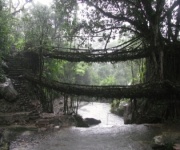
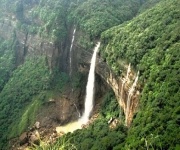
The Mawsmai Caves sit within easy reach of several other signature stops, which is why most visitors combine them with a half-day circuit that might include the Arwah Caves, the Nohkalikai viewpoint, and one of the region's famous living root bridges. Travellers who have based themselves in the Cherrapunjee township for a few nights often spend a morning at the caves before continuing toward the Seven Sisters Falls and the Mawsmai Falls itself, which tumble down a green wall just a short walk back up the road.
Those with more time can extend the loop toward Mawsynram or push on toward Dawki and the crystal-clear Umngot River, where boats drift over water so transparent it looks almost surreal. A six or seven day Meghalaya itinerary tends to weave all of these together, balancing cave visits with village walks, river crossings and quieter evenings in family-run lodges. The rhythm suits Australians well, since the days tend to start early, finish with a cool mountain sunset, and leave room for unhurried conversations over rice, fish and fresh ginger tea.
Stepping out of the Mawsmai Caves and back into the Meghalaya afternoon, the contrast is almost jarring after even thirty minutes underground. The bright green of the surrounding fields, the calls of bulbuls and the chatter of schoolchildren walking home along the road all flood back at once, while the coolness of the limestone lingers on your skin for another kilometre or two. It is this gentle handover between two very different worlds that makes the caves feel less like a sightseeing stop and more like a small threshold into the wider story of Cherrapunjee itself.
If the Mawsmai experience has sparked a deeper curiosity about the region's caves, waterfalls and root bridges, plan the rest of your Meghalaya journey around the slow roads and the welcoming village homestays. Reach out to the team behind Cherrapunjee.net to compare seasonal packages, ask about current road conditions, and shape an itinerary that fits the rhythm of Australian holidays and the long flight east. Booking a few months ahead generally secures the best lodge options during the cooler months, and the local operators are well used to coordinating arrivals from Sydney, Melbourne and Perth.