





Exploring the secret caves hidden behind the waterfalls
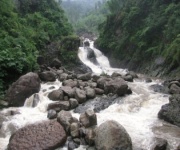
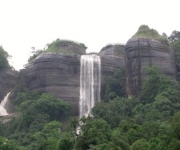
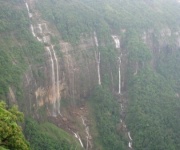
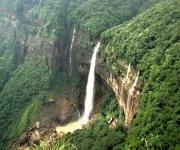
Cherrapunji’s most dramatic waterfalls hide an equally compelling subterranean world. Beneath the spray of Nohkalikai Falls, limestone passages curl into darkness, carrying visitors past streams, chambers and mineral formations that surface viewpoints never reveal. These caves are fascinating without requiring expedition equipment, but they reward preparation, a steady pace and an informed local guide.
Most Australian visitors combine Cherrapunji with Shillong and arrive through Guwahati, roughly 90 kilometres away. From Sydney or Melbourne, a typical route connects through a major Indian city before the onward flight to Guwahati. Sohra, formerly called Cherrapunji, then lies about 50 kilometres from Shillong, although mountain weather, road conditions and long descents can stretch travel times considerably.
The best cave visits pair a waterfall outlook with a guided underground section, rather than treating the descent as a race to the bottom. Wearable layers matter because cave temperatures, dripping water and open viewpoints create very different conditions within one morning. A flexible itinerary also allows guides to move the walk when streams rise or a local access point closes.
Where the hidden caves begin
In Khasi, “krem” means cave, a useful clue when reading local names. The best-known underground destinations sit around Nohkalikai Falls: Krem Liat Prah, reached through a steep descent, and Krem Arwah, a broad cave complex reached through forest and rock steps. Their passages feel connected to the waterfall landscape because water, mist and limestone shape the route as much as the surrounding hills do.
Krem Liat Prah offers the stronger sense of entering a river cave. The route descends by roughly 3,000 steps before reaching passages that follow a stream through low chambers. Wet rock, uneven ledges and changing water levels make this a serious walk for anyone with limited balance or knee problems. A torch is essential, while a guide can identify safe passages and explain how the cave responds to rainfall.
Arwah Cave combines forest scenery, waterfall spray and cave chambers, making it a useful introduction for visitors who want atmosphere without committing to the full river passage. Local access rules and guide practices vary, and weather can alter the route quickly. Before booking, review the operator details for current transfers, guiding arrangements and monsoon advice.
Reach Sohra without rushing
Flight connections usually mean an early start in Guwahati, followed by a reserved taxi or package transfer to Sohra. The drive climbs through forested hills and passes settlements, roadside markets and misty valleys. Sharing this leg with other travellers can reduce cost, while a private vehicle offers more flexibility for families or anyone carrying trekking equipment.
Both India and Australia drive on the left, yet Sohra’s roads ask for more attention. Expect sharp bends, uneven shoulders, animals near village edges and cloud that can reduce visibility within minutes. Avoid an unplanned night arrival, particularly during monsoon rain, and keep the first day light enough to recover from flights and the transfer.
For a parallel exercise in comparing an unfamiliar tropical destination, the first-time island guide to Mauritius shows how to assess walking times, transfer days and wet-weather alternatives rather than simply collecting landmark names. The same discipline works in Meghalaya: reserve cave time separately from long waterfall viewpoints and preserve a weather buffer.
Compare the main cave experiences
The main cave experiences suit different levels of commitment, but the distinction matters more than distance from the car park. Check the physical demands, water conditions and current access before choosing one.
| Experience | Landscape and access | Best suited to | Main caution |
|---|---|---|---|
| Krem Liat Prah | Long limestone route behind Nohkalikai Falls, with roughly 3,000 steps and a stream-lined passage | Visitors seeking a substantial river cave and active underground water | Strong currents, slippery rock and sudden flooding |
| Krem Arwah | Cave complex near Nohkalikai, approached through bamboo forest, steep steps and waterfall scenery | Travellers interested in scenery, geology and a broad cave experience | Exposed stairs, wet ledges and a physically demanding approach |
| Dympep Valley caves | Cave mouths and rock shelters reached through a separate valley trail surrounded by dense vegetation | Visitors wanting geological formations and a varied outdoor walk | Muddy paths and distances that make a guide or vehicle useful |
Krem Liat Prah is the most immersive choice, while Arwah gives a broader mixture of forest, falls and geology. The Dympep Valley caves form a separate experience rather than another chamber directly behind Nohkalikai. Walkers who want the complete underground theme should choose one main cave, then use a second day for waterfalls, viewpoints or the valley rather than rushing both routes.
Read the monsoon before the map
The monsoon transforms the same landscape that attracts visitors. Between June and September, waterfalls can swell dramatically and runoff races through the cave system. Spectacular water is not a safety signal: guides may close a cave when a stream rises, a rockfall blocks a path or visibility becomes poor. Viewpoints may remain open while underground access is suspended.
October and November often retain strong waterfall volume after the rain eases, but trails can remain wet. From December through April, the paths are generally easier to manage, although winter rain, cold cave air and busy holiday weekends require planning. February to April brings milder daytime conditions, so pre-booking transfers and guides is wiser than relying on a walk-up arrangement.
Australian travellers are used to checking weather warnings and state emergency alerts; apply that same habit here by confirming local advice on the morning of every walk. Never enter a flooded passage, cross moving water or ignore barriers. Keep a rain day for Sohra’s markets and viewpoints, and allow guides authority over the order and length of the route.
Pack for caves, markets and changing weather
Pack for water, uneven rock and a rapid change between warm outdoor air and cool interiors. A lightweight daypack keeps hands free on steep steps and leaves room for layers.
- Closed-toe trail shoes with reliable grip and toe protection
- Headtorch with spare batteries, plus a small backup light
- Waterproof jacket, packed cover and lightweight dry bag
- Refillable bottle and electrolyte mix for long descents
- Blister kit, basic first-aid supplies and personal medication
- Light insect repellent and a small rubbish bag
At Sohra’s markets, expect INR rather than Australian dollars, and carry small notes for tea stalls, produce and bamboo or woven craft. Ask before photographing sellers and residents, and treat bargaining as a friendly conversation rather than a confrontation. Australian travellers rarely tip for ordinary service, but a modest tip for a local cave guide or driver is appreciated when it is not already included.
Keep travel documents accessible and check official Indian visa guidance for passport validity, blank pages and permitted stay. Australian customs rules also apply on return: soil, live plants, fresh food and other biosecurity risks must be declared and may be refused. Inside the caves, treat every formation as protected by leaving rock, bats and water channels undisturbed.
Build a balanced Cherrapunji itinerary
A balanced visit needs time for the caves, not just a long chain of viewpoints. Staying in Sohra removes a punishing daily transfer and allows a guide to place cave walking on a dry-weather day. If you arrive through Guwahati, an overnight near the airport can make the final road journey less tiring.
- Reserve transfers and a qualified local guide before the monsoon
- Allow two full days in Sohra for one major cave route
- Pair the cave with viewpoints and a village-market visit
- Keep one weather-free half-day for delays or a second walk
- Share costs on transfers, but avoid separate groups in narrow caves
Ask the operator which route is open, what the current water level allows and whether any permits or local permissions apply. Tourists should also leave room for changing access without treating a closure as a wasted holiday. The Sohra market, Seven Sisters viewpoints and nearby waterfalls provide worthwhile alternatives when the underground route must be postponed.
Ready to go beyond the spray? Compare the four-night package, then use the operator’s enquiry details to confirm current cave access, guiding availability, transfers and the right pace for your group.