




Exploring Thangkharang Park and Its Panoramic Views
Thangkharang Park is one of the most rewarding places to visit around Sohra, the destination widely known as Cherrapunjee or Cherrapunji. Set on a high plateau near the edge of the Khasi Hills, the park combines landscaped paths, viewpoints, seasonal flowers, and dramatic mountain scenery. It is an easy addition to a sightseeing day that includes waterfalls, caves, and living root bridges.
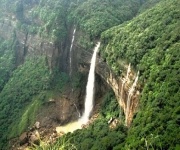
The main attraction is the open view toward the deep valleys and the plains of Bangladesh. On a clear day, the landscape stretches far beyond the park’s greenery, while mist and passing clouds create an entirely different mood during the monsoon. Kynrem Falls, one of the region’s most impressive waterfalls, can also be seen from viewpoints in and around the park.
A visit does not require strenuous hiking, making Thangkharang Park suitable for families, photographers, couples, and travelers with limited time. However, the experience changes with weather and visibility, so thoughtful planning helps you enjoy the scenery rather than simply making a quick stop.
What makes the park special
Thangkharang Park sits close to the southern escarpment of Meghalaya, where the land drops sharply toward Bangladesh. This elevated position gives the park its signature views: forested ridges, folded valleys, distant plains, and a vast sky that seems to meet the horizon. The setting feels especially dramatic after rainfall, when waterfalls swell and the surrounding hills appear intensely green.
Within the park, visitors can follow paved walkways through lawns and planted areas. Decorative features and carefully maintained sections make it more relaxed than a wilderness trail, while the natural landscape remains the main focus. The contrast between the orderly garden and the rugged cliffs beyond it gives the park a distinctive character among Cherrapunjee attractions.
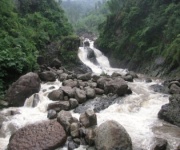
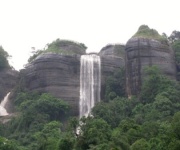
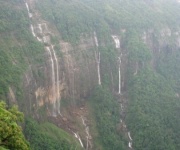
The park is also associated with views of Kynrem Falls, which descends in multiple tiers through the forested hills. Water flow is strongest during and shortly after the monsoon, although heavy rain may reduce visibility. During drier months, the waterfall can look more delicate, but the distant valley views are often easier to appreciate.
Getting there from Sohra
Thangkharang Park is located a short drive from the main town of Sohra. Most visitors reach it by private car, hired taxi, or as part of a guided Cherrapunjee tour. The approach is straightforward compared with several more remote attractions, and it fits comfortably into an itinerary covering the southern Meghalaya circuit.
A driver familiar with the area can combine the park with nearby stops such as Nohkalikai Falls, Mawsmai Cave, Seven Sisters Falls, or the route toward Nongriat and its famous living root bridge. Grouping destinations by direction reduces time on the road and leaves more room for viewpoints and walks. A local operator such as the local travel specialists can also help arrange transport and a multi-day route around Sohra.
Road conditions vary with season. Monsoon showers can produce slippery sections, temporary delays, and low cloud on winding hill roads. Although the park itself is accessible, visitors should allow extra travel time rather than planning every stop too tightly. The drive is part of the experience, with changing views of forest, villages, cliffs, and cultivated hillsides.
Views, photography, and weather
The best viewpoints face the southern escarpment and the Bangladesh plains. Early morning may bring soft light and fewer visitors, while late afternoon can produce warm tones across the ridges. During the wet season, clouds move quickly across the valley, sometimes opening for only a few minutes before covering the view again. This constant change makes patience valuable for photographers.
Clear winter and spring days usually offer the most reliable long-distance visibility. The vegetation remains attractive throughout the year, but the atmosphere is different in each season. Monsoon brings powerful waterfalls and saturated greenery; autumn often combines fresh landscapes with improving visibility; winter tends to feel cooler and clearer; spring adds color to flowering plants and pleasant conditions for walking.
Photography is most rewarding when you include a sense of scale. A person on a path, a tree in the foreground, or the outline of Kynrem Falls can show how immense the valley is. Wide-angle lenses work well for the escarpment, while a zoom lens helps isolate waterfalls and distant ridges. Keep equipment protected, since mist can arrive even when the morning begins clear.
| What to consider | Wet season | Drier season |
|---|---|---|
| Landscape | Deep green hills, full waterfalls, moving mist | Clearer ridges, softer waterfall flow |
| Visibility | Can change rapidly with cloud and rain | Often more dependable for long views |
| Walking conditions | Wet paths and muddy edges are possible | Generally easier and more comfortable |
| Photography | Dramatic clouds and rich colors | Broad horizons and sharper details |
| Clothing | Waterproof outer layer and quick-dry clothing | Light layers with a warm jacket for mornings |
A respectful way to experience the landscape
Thangkharang Park is more than a scenic stop. It lies in a region shaped by Khasi communities, whose relationship with forests, water, land, and customary traditions remains an important part of Meghalaya’s identity. Travelers gain a deeper sense of place when they learn a little about Khasi cultural traditions before visiting villages and natural sites.
The park should be treated as a shared public space. Use marked paths, avoid climbing barriers near viewpoints, and do not leave food packaging or plastic behind. Plants, rocks, and other natural features should remain where they are. Loud music can disturb other visitors and reduce the quiet atmosphere that makes the escarpment enjoyable.
If a local guide or community member explains a custom, place name, or landscape feature, listen with interest and ask permission before taking photographs of people. Responsible travel is particularly important in a region where tourism is growing quickly. Small choices, such as carrying reusable water and using designated waste bins, help protect the scenery for residents and future guests.
Planning your visit comfortably
Set aside around one to two hours for the park itself, depending on how long you spend at the viewpoints and whether you stop for photographs. Visitors who enjoy gardens and scenic observation may want longer. The park works well early in a sightseeing day, when energy levels are high, or as a calmer stop after visiting a busier waterfall.
Comfortable walking shoes are useful even though the internal paths are relatively manageable. Surfaces can be damp, and the edges near viewpoints may be uneven. A light rain jacket is practical in every season because Sohra is known for fast-changing weather. Sun protection is equally important when clouds clear, as highland sunlight can feel strong.
Facilities and opening arrangements can change, including entry charges, operating hours, parking access, and maintenance conditions. Check current details with your accommodation or tour provider before setting out. Carry water and a small snack, but consume them responsibly and take all packaging with you if bins are unavailable.
For a smooth outing, keep the following essentials in your day bag:
- A waterproof jacket or compact umbrella for sudden showers
- Shoes with firm grip for damp paths and uneven ground
- Drinking water, sunscreen, and insect repellent
- A camera, spare battery, and a protective pouch for electronics
- Small cash for local expenses, transport, or entry arrangements
Pairing the park with nearby attractions
A visit to Thangkharang Park becomes more worthwhile when included in a carefully arranged Sohra sightseeing route. Nohkalikai Falls is a natural companion because both places showcase the region’s dramatic southern escarpment. The waterfall’s plunge pool and the park’s broad valley outlook offer two different ways to experience the same powerful landscape.
Mawsmai Cave can add an underground element to the day, with narrow passages and limestone formations close to the main tourist route. Seven Sisters Falls is another popular seasonal stop, particularly when several streams descend visibly over the cliff face. During the rainy months, these attractions may be spectacular, although travel between them can take longer than expected.
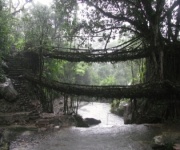
Travelers with more time can plan a separate excursion toward Nongriat and the Double-Decker Living Root Bridge. That experience involves a substantial stair descent and ascent, so it is best not to combine it with too many short sightseeing stops. A two- to seven-night Meghalaya vacation package allows enough flexibility to balance viewpoints, waterfalls, caves, village visits, and rest.
When choosing a route, consider the weather forecast, road conditions, and your group’s walking ability. A relaxed itinerary is usually more enjoyable than trying to visit every attraction in one day. Sohra’s landscapes reward pauses, particularly when the clouds lift and reveal a valley that was hidden minutes earlier.
Choose the right time and pace
The ideal time for Thangkharang Park depends on what you want to see. Travelers seeking full waterfalls and vibrant greenery may prefer the monsoon, accepting that rain and cloud can obscure the horizon. Those focused on panoramic photography may favor the cooler, clearer months. Spring and autumn offer a comfortable middle ground, with pleasant walking conditions and attractive vegetation.
Arrive with realistic expectations about the weather. A cloud-covered viewpoint is not necessarily a failed visit; mist rolling across the escarpment can create an atmospheric scene that clear skies cannot offer. If the first view is hidden, spend time walking through the park and return to the lookout before leaving.
Give yourself enough time to observe rather than treating the park as a photograph taken from a vehicle window. The distant plains, layered ridges, waterfall threads, and changing clouds become more impressive when viewed slowly. This unhurried approach also makes it easier to appreciate why the Sohra plateau is among Meghalaya’s most memorable destinations.
Include Thangkharang Park in your Cherrapunjee holiday plans for a scenic break that combines accessible walking with expansive mountain views. Contact a trusted Meghalaya travel provider to arrange transport, accommodation, and a route that matches the season, your interests, and the number of days available.