





Reaching the Base of Nohkalikai Falls Safely
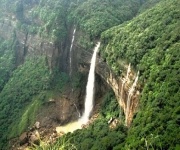
Nohkalikai Falls is one of the most dramatic sights near Sohra, formerly known as Cherrapunji, in Meghalaya. From the main viewpoint, water drops from a forested plateau into a striking blue-green pool far below. The scale is easy to appreciate from above, but reaching the bottom is a very different experience involving steep terrain, slippery rock, dense vegetation, and changing water conditions.
Many visitors use “climb to the bottom” to describe the journey, although most of the route involves descending first and climbing back up later. The lower section is not the same as the developed viewpoint, and access may vary with the season, monsoon damage, local restrictions, and current trail conditions. A route that appears manageable in dry weather can become hazardous after heavy rain.
A well-planned excursion should therefore combine realistic expectations with local guidance. Check the current access situation before leaving, allow enough daylight for the return journey, and treat the plunge pool and surrounding rocks as wilderness terrain rather than a conventional sightseeing stop.
Understand The Route Before Setting Out
The Nohkalikai Falls viewpoint is the easiest and most established place to see the waterfall. It generally includes a viewing platform, railings, steps, and facilities near the entrance. These features should not be confused with a maintained trail all the way to the base. The lower falls area is reached by a far more demanding path, and the final approach may be indistinct or affected by landslides and runoff.
A descent toward the foot of the waterfall can involve uneven stone steps, muddy slopes, exposed roots, narrow ledges, and sections where you must carefully choose each foothold. There may also be river crossings or wet rocks depending on recent rainfall. The exact route used by local guides can change, so ask about the present trail rather than relying solely on an old travel blog, map pin, or social media video.
For independent travelers, the most important question is whether the lower route is currently open and considered safe. If the answer is unclear, enjoy the main viewpoint and nearby attractions instead of attempting an unverified shortcut. The view from above remains exceptional and does not require a risky descent.
Choose The Right Season And Time
The dry and comparatively cooler months usually offer more manageable walking conditions, although “dry” does not mean completely dry in the Khasi Hills. Sohra receives intense rainfall, and damp forest surfaces can remain slick long after a shower. Winter and early spring often provide firmer paths, clearer visibility, and more comfortable temperatures for a strenuous return climb.
The monsoon creates the most powerful atmosphere around Nohkalikai Falls, with a heavier stream and mist-covered cliffs. It also brings the greatest hazards: sudden downpours, swollen channels, falling branches, reduced visibility, and loose ground. During prolonged rain, the base route may be closed or unsuitable even when the main viewpoint remains accessible.
Start early enough to complete the descent, time at the lower section, and ascent before dark. Avoid beginning late in the afternoon simply because the viewpoint is close to other Cherrapunji attractions. Carry a watch or use an offline phone map, but do not depend on mobile coverage for navigation or emergencies.
Prepare For A Steep And Wet Hike
Wear shoes with firm grip, ankle support, and soles suitable for mud and wet stone. Running shoes with smooth or worn tread are a poor choice, while sandals can leave your feet exposed to sharp rock, leeches, and slippery surfaces. Lightweight quick-drying clothing is more practical than denim, and a thin waterproof layer is useful even when the morning begins sunny.
Pack only what you can carry comfortably on a steep trail. A small daypack should include drinking water, energy-rich snacks, a basic first-aid kit, personal medication, a fully charged phone, a power bank, and a waterproof pouch for valuables. A walking pole can improve balance on descents, particularly where roots and loose stones make the ground unstable.
Useful clothing and equipment include:
- Grippy trekking shoes with secure laces
- A lightweight rain jacket or poncho
- Quick-drying trousers and a spare pair of socks
- Water, snacks, and oral rehydration supplies
- Insect repellent, sunscreen, and a small first-aid kit
Do not carry glass bottles, bulky luggage, or disposable items that could become trail litter. Keep food sealed, take every wrapper back, and avoid touching unfamiliar plants or wildlife. A headlamp is also worthwhile if an unexpected delay pushes the return close to sunset, though the trip should be planned to finish well before then.
Hire Local Guidance For The Lower Trail
A local guide is strongly recommended for anyone attempting to reach the base area. Someone familiar with the Sohra landscape can identify the current entrance, explain whether the route is open, judge river levels, and turn the group around when conditions deteriorate. Local knowledge is especially valuable after storms, when a familiar track may be blocked or diverted.
Discuss the walk before starting, including the expected duration, steepest sections, weather concerns, guide fee, and whether the destination is the actual lower falls area or only a secondary viewpoint. Ask what footwear and fitness level are appropriate. If a guide advises against continuing, accept that decision; the condition of the final approach can change within hours.
Travelers should stay together and avoid racing downhill. Descending quickly places considerable strain on knees and increases the chance of slipping. Keep a safe distance from the person ahead, especially on narrow steps, and wait at agreed rest points so nobody becomes separated in the forest.
Stay Safe Near The Plunge Pool
The pool beneath Nohkalikai Falls may look calm from a distance, but water below a high waterfall can contain powerful currents, submerged rocks, and sudden turbulence. Conditions vary with rainfall and the volume of water coming over the cliff. Do not assume that clear or blue-looking water is safe for swimming.
Stay away from the falling water, the immediate edge of the pool, and any rock shelf that is wet from spray. Do not climb onto unstable boulders for photographs, and never stand beneath an overhang without checking for loose stone. A camera or phone is not worth a fall, especially where there may be no quick access for rescue.
If the lower area is crowded, preserve space around the water and follow any signs or instructions from local authorities or guides. Leave before fatigue becomes severe. The hardest part of the excursion is often the ascent, when wet clothing, heat, and tired legs reduce balance and concentration.
| Consideration | Main Viewpoint | Lower Falls Excursion |
|---|---|---|
| Access | Developed visitor area with steps and viewing facilities | Uneven, steep route whose condition can change |
| Time required | Usually suitable for a short stop | Requires several hours, including the return climb |
| Best equipment | Comfortable shoes and rain protection | Trekking shoes, water, snacks, first aid, and a daypack |
| Guidance | Often manageable with ordinary sightseeing planning | Local guide strongly recommended |
| Weather sensitivity | View may remain open in light rain | Heavy rain can make the route unsafe or impassable |
| Water activity | Viewing only | Swimming and climbing near the pool are unsafe |
Add Nearby Sights Without Overloading The Day
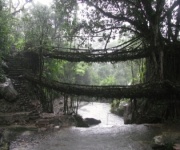
Nohkalikai Falls is often visited as part of a wider Sohra itinerary that includes caves, limestone formations, viewpoints, and other waterfalls. Mawsmai Cave, Arwah Cave, Seven Sisters Falls, Wei Sawdong Falls, and the living root bridges are popular additions, but combining all of them with a strenuous base trek can create an exhausting schedule.
A better plan is to group nearby sightseeing stops around the waterfall and reserve a separate day for longer walks. The living root bridges near Nongriat, for example, require a substantial descent and ascent of their own. Treating two major hikes as casual stops can leave travelers rushing, missing daylight, or walking while overly tired.
If the lower route is closed, there are still rewarding ways to experience Nohkalikai Falls. Spend time at the main lookout, observe how the pool changes color with light and rainfall, and explore the surrounding viewpoints at a relaxed pace. A flexible Cherrapunji vacation package can also make it easier to shift outdoor activities when the weather changes.
Arrange A Responsible Sohra Visit
Before traveling, confirm the current trail status with your accommodation, a reputable local operator, or the staff managing the attraction. Ask whether permits, entry fees, guide arrangements, or special restrictions apply on the day of your visit. Conditions in Meghalaya can change quickly, and recent local information is more useful than a fixed route description prepared months earlier.
Visitors planning several days in the region can arrange transport, accommodation, and guided excursions together rather than trying to fit the waterfall into an improvised taxi itinerary. For booking details and assistance with a Meghalaya trip, contact Cherrapunjee travel specialists before arrival.
Approach the journey as a demanding nature walk, not a guaranteed waterfall swim or a simple staircase. With suitable footwear, an early start, local guidance, and respect for rain and river conditions, the route toward the base can become a memorable part of a Sohra adventure. When circumstances are unfavorable, choosing the viewpoint is the safer and more responsible way to enjoy Nohkalikai Falls.