




Cherrapunjee And The Living Root Bridge Loop
Cherrapunjee, also known as Sohra or Cherrapunji, is one of Meghalaya’s most memorable destinations. Famous for extraordinary rainfall, green escarpments, limestone caves and cascading waterfalls, it also provides access to living root bridges shaped over decades by Khasi communities. For Australian travellers, the journey becomes even more rewarding when a comfortable sightseeing itinerary is combined with the demanding but unforgettable walk to Nongriat.
The root bridge experience is best treated as a separate outdoor adventure rather than a quick stop between viewpoints. A thoughtful plan allows time for the descent to the bridge, the climb back to the plateau, weather delays and a night of proper rest. With the right route, transport and preparation, a trip from Australia can balance dramatic landscapes with practical comfort.
Why Add The Root Bridge Walk
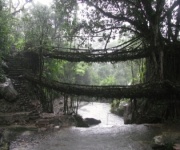
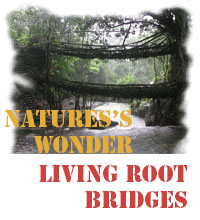
The famous Double-Decker Living Root Bridge lies near Nongriat village, below the small settlement of Tyrna. Local Khasi communities have guided the roots of rubber fig trees across streams and ravines, creating natural footbridges that continue to grow stronger. Their living structure makes them different from ordinary stone or timber bridges and reflects a long tradition of working with the forest rather than replacing it.
Reaching Nongriat usually involves a steep staircase of roughly 3,000 to 3,500 steps each way, depending on the route and how far you explore. The path passes through humid forest, small villages, suspension bridges and clear pools. Rainbow Falls is farther beyond the Double-Decker Bridge and requires additional walking, so visitors should judge the weather and their energy before continuing.
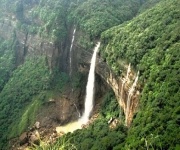
This is a very different pace from visiting Nohkalikai Falls, Seven Sisters Falls or Mawsmai Cave by car. Those attractions can be viewed within a busy sightseeing day, while the living root bridge trail calls for patience. Australian visitors accustomed to long-distance hikes around the Blue Mountains, the Dandenong Ranges or the Wet Tropics may recognise the physical demands, but Meghalaya’s heat, humidity and slippery steps can make the walk more tiring than the distance suggests.
Build The Route Around Two Nights
Many travellers arrive in Meghalaya through Guwahati, in Assam, and continue by road to Shillong or Cherrapunjee. The drive from Guwahati can take several hours because of traffic, hills and weather. A practical plan is to use Shillong as a transition point or travel directly to Cherrapunjee with enough daylight for check-in. Avoid scheduling the village trek immediately after an international flight from Sydney, Melbourne, Brisbane or Perth.
A four- or five-night Meghalaya holiday gives the root bridge walk room to fit naturally into the itinerary. The first day can cover arrival and rest, followed by Cherrapunjee waterfalls and caves, the trek to Nongriat, a recovery day, and a final sightseeing journey towards Shillong or Mawlynnong. Travellers who prefer fewer hotel changes can base themselves in Sohra and arrange a local vehicle for each day.
For a ready-made framework, the four-night package can help Australian visitors understand how accommodation, transfers and sightseeing may be arranged together. It is worth checking whether the selected package includes the village trek itself, a guide, meals and any extra night required for Rainbow Falls. Tour arrangements should match walking ability rather than simply the number of attractions listed.
The most comfortable version usually places the trek after at least one night in Cherrapunjee. Start early, when temperatures are lower and the path is quieter. Allow plenty of time to return before dark, particularly during the monsoon season when rain can slow every section of the trail. A private vehicle is useful for flexibility, while a local guide can explain village customs and help with route decisions.
Timing, Weather And Trail Conditions
Cherrapunjee receives some of the heaviest rainfall on earth. The wettest months can turn steps into slick surfaces, swell streams and reduce visibility at viewpoints. Rain does not automatically ruin the trip; mist and rushing waterfalls can be spectacular. It does mean that plans need flexibility, secure footwear and a willingness to shorten the walk if conditions become unsafe.
October to April is often more manageable for hiking, although weather remains changeable in the hills. November, December and January can bring clearer views and cooler mornings. March and April add colour to the landscape before the heavier rains. During the monsoon, the waterfalls are at their most dramatic, but paths, bridges and stream crossings demand extra care.
| Travel Element | Practical Choice | Why It Helps |
|---|---|---|
| Best base | Cherrapunjee or Sohra | Reduces early-morning road travel to Tyrna |
| Trek timing | Start after breakfast, before midday heat | Leaves a safer margin for the return climb |
| Walking level | Moderate to strenuous | Thousands of steps and humid conditions require fitness |
| Weather plan | Keep one flexible day | Rain can affect roads, visibility and trail safety |
| Transport | Private car with local driver | Makes remote viewpoints and village access easier |
| Overnight option | Cherrapunjee rather than rushing back | Provides recovery time after the climb |
| Cash | Carry small Indian rupee notes | Small village purchases may not accept cards |
| Responsible travel | Refill water and carry rubbish out | Protects fragile forest and village environments |
Road travel in Meghalaya is slower than many Australian visitors expect. A short distance on a map can take much longer on winding hill roads, especially near Shillong and during heavy rain. Drivers may stop for traffic, livestock, road works or viewpoints, so a schedule with generous buffers is more realistic than a tightly timed self-drive itinerary.
Australian travellers should also remember that driving is on the left in both India and Australia, but local road conditions and traffic behaviour can feel very different. Hiring a local driver is generally more relaxing than renting a car. Indian traffic regulations require seat belts in vehicles where fitted, and helmets are required for motorcycle riders; visitors should avoid accepting informal transport that does not appear safe or properly arranged.
Where To Stay And What To Eat
Accommodation around Sohra ranges from resorts with valley views to small hotels, guesthouses and homestays. A property close to the main road can make transfers easier, while a quieter resort may offer better views and a more restful atmosphere. Ask about hot water, heating, mobile reception, power backup and meal times before booking, as facilities can vary considerably between properties.
The village of Nongriat has simple accommodation for hikers who want to spend a night near the bridge. Staying there can turn the walk into a gentler two-day experience, particularly for visitors who want to continue towards Rainbow Falls. Facilities are basic, and advance arrangements are sensible during busy periods. Guests should bring essential toiletries, a torch and enough cash because remote villages have limited services.
Khasi and northeastern Indian food often includes rice, vegetables, pork, chicken, fish and fragrant herbs. Visitors accustomed to Australian cafés and early breakfasts may need to plan ahead, since meal times and menus can be less predictable outside larger towns. Inform accommodation staff about allergies clearly, and carry familiar snacks for the trek. Bottled water is widely available, but a reusable bottle with purification tablets or a filter reduces plastic waste.
Australians should also account for financial habits at home. Contactless payments are routine in Melbourne trams, Sydney cafés and many regional shops, while smaller Meghalaya businesses may rely on cash or intermittent mobile payment services. Carry Indian rupees in modest denominations, notify your bank before departure and keep a backup card separately from your wallet.
Pack For Steps, Rain And Humidity
Shoes are the most important part of the kit. Choose trail shoes or hiking shoes with firm grip rather than smooth-soled trainers. Lightweight quick-dry clothing is more practical than heavy cotton, and a waterproof shell is useful even when the morning begins clear. A compact daypack should leave both hands available for steep steps and uneven surfaces.
Sun protection remains important under cloud cover. Australian travellers are familiar with high UV conditions, but Meghalaya’s humidity can make sunscreen feel uncomfortable, so a lightweight product, hat and breathable long-sleeved shirt are useful. Insect repellent, personal medication, blister treatment and oral rehydration salts should be easy to reach. Pack a dry bag or waterproof phone pouch for sudden showers.
The following choices keep the trip more comfortable and respectful:
Practical Choices For The Trail
- Book accommodation with enough recovery time after the Nongriat walk.
- Carry small rupee notes, drinking water, snacks and a charged phone.
- Use a local guide when exploring beyond the main Double-Decker Bridge.
- Wear modest, breathable clothing near villages and religious or community sites.
- Take all wrappers and disposable bottles back to an appropriate bin.
- Check current road, weather and travel advisories before leaving Shillong.
Respect for local customs is part of the experience. Ask before photographing residents, children or private homes, and follow instructions near bridges, pools and forest paths. The roots may look indestructible, but the surrounding soil and vegetation can be damaged by careless foot traffic. Staying on established paths supports both conservation and the communities that maintain access.
Australian passport holders should check current Indian visa rules through official government channels before booking flights. An Indian e-Visa may be available for eligible tourism trips, but passport validity, entry points and permitted activities matter. Keep digital and printed copies of your passport, visa, insurance and accommodation details. Travel insurance should cover trekking, medical care, delays and evacuation rather than only basic flight disruption.
A well-paced Cherrapunjee holiday can combine waterfalls, caves, viewpoints, Khasi culture and a genuine forest adventure without making the root bridge walk feel like an afterthought. Contact Cherrapunjee.net and India Beacons Sojourn to shape the number of nights, accommodation standard, transport and walking arrangements around your travel dates. Reserve the route early, allow space for Meghalaya’s weather, and set out prepared for one of India’s most distinctive living landscapes.