





Cherrapunjee and the India–Bangladesh Border
A journey to Cherrapunjee, also known as Sohra or Cherrapunji, can be extended into a fascinating borderland experience in Meghalaya. The route towards Dawki leads through misty hills, forested valleys and villages shaped by Khasi culture before reaching the India–Bangladesh frontier at the Tamabil land port.
For Australian travellers, this combination offers a rewarding change from a standard North-East India itinerary. You can spend several days among waterfalls, caves and living root bridges, then travel towards the border for river scenery, market culture and a glimpse of the close relationship between Meghalaya and neighbouring Sylhet in Bangladesh.
The border visit can mean different things. Some visitors simply see the Indian side around Dawki and the Umngot River, while others plan a formal land crossing into Bangladesh. These are separate travel experiences, with different visa, transport and timing requirements.
A sensible plan allows enough time for winding roads, weather delays and immigration procedures. Cherrapunjee.net provides multi-day holiday packages, accommodation information and local travel guidance that can help Australians build a route suited to their available leave, whether that means a long weekend extension or a week-long exploration.
Planning The Route From Sohra
Cherrapunjee sits in the East Khasi Hills, around 55 kilometres from Shillong by road. The drive is scenic but slow in places, with bends, steep sections, village traffic and changing weather. From Sohra, Dawki is generally reached via Shillong or through connecting hill roads, and the journey commonly takes several hours rather than feeling like a quick side trip.
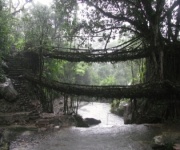
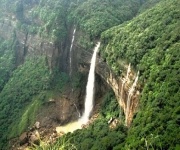
A practical itinerary starts with two or three nights in Cherrapunjee. This gives you time for Nohkalikai Falls, Seven Sisters Falls, Mawsmai Cave, Arwah Cave and nearby viewpoints. The living root bridges around Nongriat require a demanding descent and climb, so they deserve a full day rather than being squeezed between long drives.
After exploring Sohra, continue towards Mawlynnong, Pynursla or Dawki, depending on road conditions and your accommodation. Mawlynnong is known for village cleanliness and landscaped paths, while Dawki is associated with the clear Umngot River and the international border. The exact route should be adjusted according to the season and the driver’s advice.
Choosing A Border Experience
The simplest option is an Indian-side border visit. At Dawki, travellers can view the international crossing area, see transport activity near the land port and spend time beside the Umngot River. This suits visitors who want border scenery without adding another country, visa application or immigration process to their holiday.
A formal crossing into Bangladesh requires a valid passport, the appropriate Bangladeshi visa and compliance with the rules of the relevant crossing point. Indian and Bangladeshi immigration procedures apply independently, and a driver who takes you to the border is not automatically authorised to take you across. Confirm current opening arrangements, document requirements and onward transport before committing to the plan.
| Travel style | What it involves | Best suited to | Main planning point |
|---|---|---|---|
| Dawki day visit | Indian-side river scenery and border area | Travellers with limited time | Allow for a long hill-road journey |
| Border viewpoint and local villages | Dawki combined with Mawlynnong or Pynursla | Visitors interested in landscapes and rural life | Arrange a private vehicle and flexible timing |
| Land crossing to Bangladesh | Indian exit, Bangladeshi entry and onward travel | Travellers with valid visas and a wider itinerary | Check immigration rules and pre-arrange transport |
| Bangladesh extension | Sylhet and nearby attractions after crossing | Visitors with several extra days | Confirm accommodation, currency and return plans |
| Cherrapunjee-focused trip | Waterfalls, caves and root bridges without crossing | First-time Meghalaya visitors | Reserve enough time for walking and weather delays |
The right choice depends on how much of the trip you want to spend in transit. An Australian traveller flying a long distance to reach Meghalaya may prefer an unhurried Indian-side excursion, while someone already planning time in Sylhet could find a land crossing worthwhile.
Border Formalities And Crossing Practicalities
Australian passport holders should check the latest Indian visa requirements before departure. Many visitors use an Indian e-Visa when eligible, though the permitted entry points, length of stay and visa category must match the itinerary. If you intend to leave India by land, confirm that the chosen border post accepts your visa and nationality for that type of exit.
Bangladesh has its own visa rules, and approval for entry should be obtained before arriving at the frontier. Carry a passport with sufficient validity, printed or offline copies of visas and bookings, travel insurance details, and backup copies of important documents. Phone reception and internet access can be inconsistent in rural sections of Meghalaya.
Dawki is a working border crossing, not a staged tourist attraction. Trucks, customs checks and local commercial activity can affect movement around the area. Immigration officers may take time to process documents, especially when traffic is busy or systems are slow. Your itinerary should contain a buffer rather than a tightly timed connection.
A local operator can help coordinate vehicles on each side, but responsibilities should be clear. Ask whether the quoted service includes transport to the border, assistance with permitted formalities, transfers after immigration and accommodation in Bangladesh. Keep Indian rupees and suitable payment options available before leaving Indian-side services, since currency exchange opportunities may be limited around the crossing.
Building A Comfortable Multi-Day Itinerary
A five- or six-night journey gives a good balance between Cherrapunjee and the border region. The first night can be spent in Shillong after arrival, followed by two nights in Sohra. A further night near Mawlynnong or Dawki allows the border excursion to happen without returning to the same hotel after a tiring drive.
If crossing into Bangladesh, add at least two nights beyond the border. Sylhet offers a useful base for exploring tea gardens, shrines, riverside areas and nearby countryside. Returning across the same land route on the same day may be technically possible in some circumstances, but it creates unnecessary pressure and leaves little room for immigration delays.
Travellers arriving through Guwahati should consider the drive from the airport to Shillong and then onward to Cherrapunjee. A late flight followed by a long road transfer can be uncomfortable, particularly after international travel. Spending the first night in Guwahati or Shillong may create a smoother start.
Australians are accustomed to planning around large distances, whether driving from Melbourne to regional Victoria or taking a long Queensland road trip. Meghalaya requires the same respect for travel time, although the distances look shorter on a map. A 70-kilometre hill journey may take far longer than an equivalent drive on an Australian motorway.
Weather, Roads And What To Pack
Cherrapunjee is famous for heavy rainfall, especially during the monsoon months. Waterfalls become dramatic and the hills turn intensely green, yet slippery paths, low cloud and road disruption are more likely. The drier months generally provide easier walking and clearer viewpoints, though showers can occur at any time in the hills.
Pack a waterproof outer layer, quick-drying clothing, comfortable walking shoes with reliable grip and a small day bag. A lightweight torch is helpful for caves and power interruptions, while dry bags or sealed pouches protect phones, passports and cameras. Bring modest clothing for villages, religious sites and interactions with local communities.
The border route can feel cooler than expected in the evening, particularly after rain. Australians travelling from Brisbane, Sydney or Perth may be used to strong sun and air-conditioned interiors, so a light fleece or warm layer is useful. In local conversation, “jumper” is commonly understood for a warm top, while “thongs” mean flip-flops; for wet cave paths, proper sandals or hiking shoes are much safer.
Road conditions also influence river activities. The Umngot is celebrated for exceptionally clear water at favourable times of year, but boating availability and river conditions can change after rain. Use authorised operators, follow local instructions and avoid treating a beautiful viewpoint as a safe swimming area without guidance.
Food, Culture And Responsible Travel
The Khasi communities around Sohra and Dawki have distinctive traditions, architecture and foodways. Rice, pork, chicken, fish, seasonal vegetables and fermented ingredients appear in local meals, while vegetarian choices are available in many hotels and restaurants. Tell your host about allergies clearly, as rural kitchens may have limited alternatives.
At the border, commercial movement is part of everyday life. Treat customs areas, security posts and residents with discretion. Photography may be restricted near official facilities, and asking before photographing people, homes, market stalls or religious places is a simple sign of respect.
The living root bridges are extraordinary examples of long-term community knowledge. Visitors should stay on established paths, avoid pulling or climbing on roots, carry waste back out and pay local guides when a community system is in place. The same care applies to caves, waterfalls and village lanes, where a quiet presence makes the experience better for everyone.
Australians often use a relaxed “no worries” style when travelling, but local hospitality should not be mistaken for permission to ignore rules. A friendly greeting, patient bargaining and a few respectful words can go a long way. Supporting locally owned guesthouses, guides and drivers keeps more tourism income in the communities along the route.
Practical Booking And Transport Choices
Private vehicle travel is usually the most comfortable way to combine Sohra with Dawki. It gives you control over photo stops, walking breaks and weather-related changes. Shared vehicles may cost less, but they can be less convenient when carrying luggage or trying to meet immigration timings.
Accommodation ranges from resorts with valley views to simple guesthouses and homestays. In peak periods, especially around Indian public holidays and popular travel months, rooms near Cherrapunjee and Dawki can fill quickly. Australian travellers planning around school holidays should book early, since those dates often overlap with higher demand across regional India.
Before booking, review what the package includes. Airport transfers, meals, permits, entry fees, guide services and border-side transport may be treated separately. The visual trip preview can help you understand the landscapes and accommodation style before choosing between a resort-based holiday and a more active village itinerary.
Useful planning priorities include:
- Allow at least one flexible day for heavy rain, road delays or a changed border schedule.
- Confirm Indian and Bangladeshi visa conditions using current official sources.
- Choose accommodation with secure luggage storage and reliable vehicle access.
- Carry printed documents as well as offline digital copies of passports and bookings.
- Use a local driver familiar with the Sohra–Dawki road and seasonal conditions.
- Book guides for Nongriat and other walks where route knowledge adds safety and context.
Making The Most Of The Border Region
The India–Bangladesh frontier is most rewarding when treated as part of a broader cultural and landscape journey. Cherrapunjee provides the dramatic waterfalls and limestone caves, while the road to Dawki reveals farming villages, forested ridges and the movement of people and goods through a historic regional corridor.
Avoid planning the border as a rushed photo stop between two distant hotels. A slower schedule gives you time to see Mawlynnong, pause near the Umngot River, eat locally and understand how the international boundary fits into everyday life. If you cross into Bangladesh, the extra days allow the transition to feel like travel rather than a bureaucratic interruption.
A well-organised package can combine accommodation, road transport, sightseeing and local assistance while leaving room for personal interests. Whether your priority is photography, walking, food, village life or a first visit to Bangladesh, the route can be adapted around your passport, travel dates and comfort level.
Begin with your preferred length of stay, then match the border experience to your visa position and road tolerance. Contact Cherrapunjee.net to discuss a Meghalaya itinerary that connects Sohra’s waterfalls and living root bridges with Dawki, the India–Bangladesh frontier and the landscapes beyond.