





A practical day trip from Shillong to Cherrapunjee
A day trip from Shillong to Cherrapunjee, also known as Sohra or Cherrapunji, is one of Meghalaya’s most rewarding outings. The route passes through green hills, dramatic valleys, misty viewpoints, waterfalls, caves, and villages with distinctive Khasi culture. Since the two destinations are roughly 54 kilometres apart, the journey is manageable in a single day when planned with realistic timing.
The drive usually takes around two to two and a half hours each way, although rain, road repairs, traffic, and sightseeing stops can extend the schedule. A private taxi gives you the greatest flexibility, especially if you want to visit several attractions around Sohra rather than simply travel between the two towns.
The key is to choose a few experiences instead of trying to cover every waterfall and cave. Start early, group nearby sights together, allow time for meals and short walks, and keep enough daylight for the return to Shillong.
Set realistic expectations
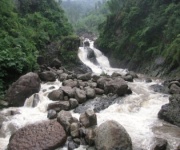
Cherrapunjee is often described as a land of waterfalls, but the appearance of each cascade changes with the season. During the monsoon, Nohkalikai Falls and the Seven Sisters Falls can be spectacular, while heavy rain may reduce visibility and make trails slippery. In the drier months, some waterfalls may be less powerful, but viewpoints and caves are often easier to enjoy.
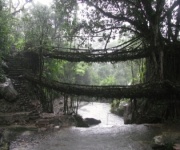
A one-day excursion works best for major viewpoints, one cave, and one or two waterfalls. Reaching the famous double-decker living root bridge at Nongriat is a different undertaking because it requires a long descent and climb through a large number of steps. It is better suited to an overnight visit or a dedicated trekking day.
Sohra itself has restaurants, fuel stations, small shops, and places to pause, but facilities become more limited near remote attractions. Carry water and some snacks, particularly if your route includes walking trails or less-developed viewpoints.
Choose the route and departure time
Leave Shillong between 6:00 and 7:00 a.m. This gives you a better chance of reaching the first viewpoint before the busiest period and leaves room for weather delays. The usual route travels through Mylliem and the rolling landscapes near Mawkdok Dympep Valley before continuing toward Sohra.
Mawkdok Dympep Valley is a natural first stop because it lies along the main road and offers a broad view over steep, forested hills. The glass-floored skywalk and zipline activities may be available depending on local operations and weather. A short stop of 20 to 40 minutes is usually enough for photographs and refreshments.
After the valley, continue toward the main Sohra attractions. The exact sequence depends on your driver, road conditions, and opening hours. Ask for a route that avoids unnecessary backtracking; this matters when daylight is limited and every extra detour reduces time at the main sights.
The return drive should begin by around 4:00 or 5:00 p.m. in clear weather. During the rainy season, leaving earlier is wiser because fog and wet roads can slow the journey considerably after sunset.
Build a balanced sightseeing plan
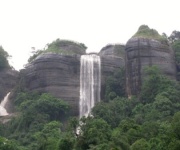
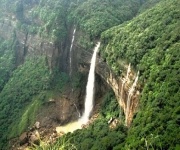
A practical itinerary may begin with Mawkdok Dympep Valley, followed by Nohkalikai Falls. Nohkalikai is the tallest plunge waterfall in India, and the main viewing area is easy to access from the road. The water flow and colour vary with rainfall, but the surrounding cliffs make the stop worthwhile throughout the year.
From there, choose between Mawsmai Cave and Arwah Cave. Mawsmai is the more accessible option, with a shorter route through limestone formations and a well-known entrance. Arwah Cave involves a walk through forest and can feel quieter and more adventurous. Trying to visit both may make the day rushed, particularly during wet weather.
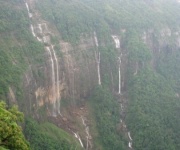
Seven Sisters Falls, also called Nohsngithiang Falls, is another prominent stop near Sohra. Its multiple streams are most impressive during the monsoon and soon afterward. Visibility can change quickly, so do not be discouraged if mist temporarily covers the valley. A nearby viewpoint often makes this a convenient late-morning or afternoon visit.
For travellers interested in local culture and landscapes, add a village stop, a small Khasi meal, or a short walk rather than filling the itinerary with distant attractions. A useful way to find additional places and planning information is to browse the Sohra travel resources before finalising the route.
Compare transport and pacing
A private vehicle is generally the most convenient choice for a Shillong–Sohra day tour. You can start early, leave luggage safely in the car, stop at roadside viewpoints, and change the order of attractions when clouds or rain affect visibility. Confirm whether the quoted fare includes fuel, driver charges, parking, and the full return journey.
Shared taxis and local buses may cost less, but they operate on fixed routes and schedules. They can be useful for travellers who want to reach Sohra town and arrange local transport there, although this approach may leave less time for several dispersed attractions. A hired local taxi from Shillong is usually easier for first-time visitors.
| Travel option | Best for | Advantages | Limitations |
|---|---|---|---|
| Private taxi or car | Families, couples, small groups | Flexible departure, direct sightseeing, luggage space | Higher total cost |
| Shared taxi | Budget-conscious travellers | Lower fare and regular local connections | Fixed timing and limited stops |
| Bus service | Travellers focused on Sohra town | Economical and straightforward | Less suitable for a multi-attraction route |
| Organised day tour | Visitors wanting a simple package | Driver, route, and schedule arranged in advance | Less freedom to change the itinerary |
When booking a car, discuss the day’s destinations in advance. Some drivers may suggest a standard circuit, while others can tailor the route around caves, waterfalls, photography, or short walks. Request a vehicle with good tyres and experienced hill-road driving, especially if travelling during the monsoon.
Prepare for weather and walking
Meghalaya’s weather can change within minutes. Pack a light waterproof jacket, quick-drying clothing, and shoes with firm grip. An umbrella can help in town, but it is less practical on uneven paths and around cave entrances. Keep phones, cameras, and documents in waterproof pouches or sealed bags.
Even a sightseeing day includes more walking than the distances on a map suggest. Viewpoints may involve sloping paths, cave floors can be wet and uneven, and waterfall areas may have steps. Carry modest amounts of cash because card and mobile payment access can be inconsistent in remote locations.
Eat breakfast before leaving Shillong or carry something for the drive. Have lunch in Sohra or at a suitable roadside restaurant rather than waiting until late afternoon. Avoid scheduling a demanding trek after a heavy meal, and leave a buffer for stops where service is slow.
Visitors from outside India should check current Indian visa requirements before arrival. Domestic travellers generally do not need a separate permit for a standard Shillong–Sohra excursion, but travel rules and local access arrangements can change. Confirm current conditions with an official source or your accommodation before departure.
Respect the landscape and local communities
Waterfall viewpoints and caves are shared public spaces, so follow marked paths and any instructions from local staff. Do not climb barriers, enter closed cave sections, or approach cliff edges for photographs. Wet rock can be dangerously slippery even when it appears stable.
Carry rubbish back to a bin or keep it with you until one is available. Avoid loud music near villages, forests, and sacred natural areas. Asking before photographing residents, homes, or local ceremonies is a simple way to travel respectfully.
The living root bridges and surrounding forests are living cultural landscapes rather than ordinary sightseeing props. Their maintenance depends on local knowledge and community care. If you visit one, use designated routes, avoid damaging roots, and consider hiring a local guide when the trail is unfamiliar.
Prioritise these experiences
A well-planned day trip does not require a long checklist. Select sights that match your interests and allow space for weather, meals, and unexpected viewpoints along the road.
- Start with Mawkdok Dympep Valley for an easy scenic stop.
- Visit Nohkalikai Falls when visibility is reasonable and the viewing area is open.
- Choose Mawsmai Cave for accessibility or Arwah Cave for a more active outing.
- Add Seven Sisters Falls during the monsoon or soon afterward.
- Begin the return to Shillong before darkness and heavy evening mist.
Photography enthusiasts may prefer an early start and longer stops at the valleys, while families may value shorter walks and accessible viewing areas. Travellers who enjoy geology can devote more time to the caves, whereas those seeking local experiences can include a village meal or craft stop.
If the forecast shows continuous heavy rain, adjust the plan rather than forcing every stop. A shorter route focused on safe viewpoints can be more enjoyable than spending the day in traffic or walking through flooded paths. The best Shillong to Cherrapunjee itinerary is flexible enough to respond to actual conditions.
Book your car, driver, or Cherrapunjee holiday package in advance during weekends, public holidays, and the peak monsoon period. With an early departure, a carefully chosen route, and sensible weather preparation, the journey from Shillong to Sohra can deliver waterfalls, forests, caves, and memorable hill views in one rewarding day. Reach out to Cherrapunjee.net for current travel details and assistance arranging a stay or sightseeing package.