





How to Enjoy Cherrapunjee’s Monsoon Magic Without Getting Soaked
Cherrapunjee, also known as Sohra or Cherrapunji, is one of the most atmospheric places to visit during India’s wet season. From June to September, rain rolls across the Khasi Hills, waterfalls swell dramatically, clouds drift through forested valleys, and the living root bridges seem to belong to a world shaped by water. A monsoon holiday here is less about avoiding every raindrop and more about staying comfortable while enjoying the landscape at its most powerful.
For travellers from Australia, the conditions may feel very different from a tropical downpour in Cairns or Darwin. Rain can arrive repeatedly throughout the day, paths become slippery, visibility can change quickly, and some attractions involve uneven steps or forest trails. With thoughtful planning, suitable clothing and a flexible itinerary, you can experience Sohra’s waterfalls, caves, viewpoints and villages without spending the entire trip wet and uncomfortable.
Plan Around the Weather
The monsoon forecast should influence your daily schedule, but it should not control every decision. In Cherrapunjee, rain can be intense in one valley while another viewpoint remains relatively clear. Early mornings often provide useful windows for outdoor visits, so consider starting with a waterfall, bridge or scenic lookout before the heaviest showers arrive. Keep indoor or sheltered activities available for later, such as exploring caves, relaxing at your resort or visiting local cultural sites.
Allow extra time between attractions. Roads around Sohra wind through hills, and wet conditions can slow vehicles considerably. A journey that looks short on a map may take much longer when drivers need to reduce speed, visibility is poor or traffic builds near popular attractions. If you are travelling from Sydney, Melbourne or Perth, remember that reaching Cherrapunjee usually involves a flight to Guwahati followed by a road transfer into Meghalaya. Avoid scheduling an important attraction immediately after arrival.
It is useful to check a site map of attractions before booking activities, especially if you are comparing waterfalls, caves, parks, accommodation and multi-day tour options. Group nearby sights together rather than crossing the same roads repeatedly. A two- to seven-night package can make this easier because local operators generally understand seasonal driving conditions and can adjust the order of visits when rain becomes persistent.
Dress For Warmth, Water And Walking
The most practical monsoon outfit is lightweight, quick-drying and easy to layer. A waterproof jacket with a hood is more useful than a small fashion umbrella, particularly on exposed viewpoints or narrow walking paths. Wear moisture-wicking shirts, comfortable trousers or hiking pants, and socks that can dry overnight. Cotton can feel pleasant at first but stays damp for a long time, so synthetic or merino layers are usually more comfortable.
Footwear deserves special attention. Choose shoes with firm grip, ankle support and some water resistance. Trainers with smooth soles are risky on wet stone steps, while heavy leather boots may take too long to dry. Many walks include mud, roots, moss and puddles, so pack a second pair of shoes or lightweight sandals for use around your accommodation. A few spare pairs of socks can make an unexpectedly large difference to your comfort.
Pack electronics in a dry bag or waterproof pouch, even when they are inside your daypack. Zip-lock bags can protect a phone, camera batteries, travel documents and medication during sudden showers. Bring a small microfibre towel, insect repellent, blister treatment and a reusable water bottle. Australians often travel with a wide-brimmed hat and high-SPF sunscreen for outdoor trips; both remain useful in Meghalaya because cloud cover does not eliminate ultraviolet exposure.
When returning to Australia, clean and completely dry your hiking shoes, tent equipment and other outdoor gear before flying home. Australian biosecurity rules are strict about soil, seeds and organic material. Mud left in shoe treads can cause delays at the border, so inspect your footwear carefully and declare anything that may be contaminated.
Choose Safer Ways To Explore
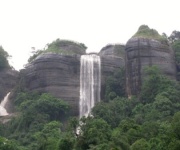
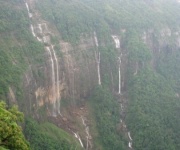
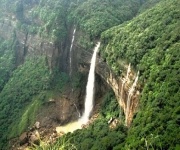
Monsoon sightseeing rewards patience. Waterfalls such as Nohkalikai and the Seven Sisters can become spectacular after rain, but forceful water, spray and slippery viewing areas also create genuine hazards. Stay behind barriers, follow local instructions and avoid climbing onto wet rocks for photographs. A dramatic image is never worth standing near an unstable edge or entering a swollen stream.
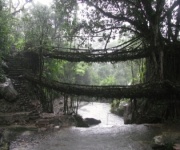
The living root bridges are memorable but physically demanding in wet conditions. Steps may be steep, narrow and uneven, and the rainforest can be dim even during daylight. Take short breaks, keep both hands free where possible and use a walking pole if balance is a concern. Visitors who are accustomed to well-maintained paths in Australian national parks should expect less uniform surfaces here. Local guides can point out safer footholds and help you judge whether a route is suitable after heavy rain.
Caves require similar care. Surfaces inside and around the entrances can be slick, and water levels may change. Wear shoes with grip, carry a reliable torch and do not separate from your group. Avoid entering restricted areas or attempting a cave visit when local staff advise against it. Conditions can change faster than a standard weather app suggests, especially in forested or rocky terrain.
Choose a licensed driver or reputable tour company for transfers and day trips. Seat belts should be used whenever available, and it is sensible to discuss the day’s route before departing. If you hire a vehicle, check that your travel insurance covers driving in India and understand local licence requirements before taking the wheel. Most visitors will find that a local driver is less stressful, particularly on rain-soaked hill roads.
Make Comfort Part Of The Itinerary
A good monsoon holiday includes deliberate pauses. Select accommodation with a comfortable common area, reliable hot water and somewhere to dry clothing. Ask whether the property has backup power, internet access and covered outdoor space. These details matter when rain keeps you indoors for several hours. Resorts and hotels around Sohra vary considerably, so confirm facilities before booking rather than assuming every property offers the same level of service.
Food and hydration also affect how well you handle wet-weather days. Eat regular meals before long walks, carry snacks and drink safe water even when the air feels cool. Khasi cuisine may include rice, meat, vegetables and warming soups, while cafés and hotels often provide familiar options for international visitors. If you have allergies or dietary restrictions, bring a simple translation note and explain them clearly when ordering.
Cash remains useful in smaller towns and near rural attractions, even though cards and mobile payments are common in many Indian businesses. Carry modest amounts of Indian rupees in a secure wallet, but do not display large sums. Australian dollars are not a practical payment method for everyday purchases in Meghalaya, and exchanging money in a major Indian city or at an established bank is usually easier than relying on an informal exchange.
Use a local SIM or a reliable roaming plan, but expect patchy coverage in valleys and remote walking areas. Download maps, booking details and emergency contacts before leaving your accommodation. Let someone know your day’s route, especially if you are travelling independently. This is a simple habit for Australians who regularly share hiking plans at home, and it becomes even more valuable when weather can disrupt transport or phone coverage.
Practical Choices For A Smoother Trip
A flexible itinerary is the best way to enjoy the wet season. Give yourself permission to postpone a viewpoint if cloud completely obscures it, then return when visibility improves. Some of the most beautiful moments happen between showers: sunlight breaking through mist, water streaming over a cliff or a quiet village road shining after rain. You do not need clear skies all day for a rewarding experience.
Before departure, check your Indian visa requirements and make sure your passport has sufficient validity and spare pages. Australian citizens should use official government sources for current visa information and travel advisories. Requirements can change, and a tour booking does not replace responsibility for having the correct documents. Keep digital and printed copies of your passport, visa, insurance policy and important contact numbers.
Keep your plans considerate of local communities. Ask permission before photographing people, dress respectfully when visiting villages or religious places, and follow instructions at sacred natural sites. Meghalaya’s landscapes are shared living environments rather than theme-park attractions. Carry rubbish back with you, avoid single-use plastic where possible and never leave food packaging along forest paths.
Use these practical habits to make the most of your stay:
- Start outdoor sightseeing early and keep a sheltered activity available for the afternoon.
- Carry a waterproof daypack cover, dry bags, spare socks and a compact quick-drying towel.
- Wear grippy footwear and avoid wet rocks, unsecured edges and swollen streams.
- Book accommodation with hot water, drying space and dependable transport support.
- Carry Indian rupees for rural stops while keeping cards and documents secure.
- Download maps and booking information before travelling beyond reliable mobile coverage.
- Clean and dry all outdoor equipment before returning to Australia under biosecurity rules.
A monsoon visit can be especially rewarding for travellers who enjoy nature at full volume. Waterfalls are stronger, forests are greener and mist gives familiar viewpoints a constantly changing character. The key is to plan for wet conditions without treating them as a problem to solve. Choose a well-paced package or arrange a local driver, pack intelligently and leave enough flexibility for the landscape to set the rhythm.
Browse the available Cherrapunjee tours, accommodation information and local attractions, then contact India Beacons Sojourn to shape a rain-ready Meghalaya holiday around your travel dates and interests. With the right preparation, you can return to Australia with dry documents, memorable photographs and a much deeper appreciation of Sohra’s remarkable monsoon scenery.