





How to find a reliable guide for off-the-beaten-path treks
Choosing the right trekking companion in Meghalaya can determine whether an unfamiliar route feels genuinely rewarding or needlessly risky. A dependable guide reads the weather, knows when a cave or gorge is unsafe, manages slippery steps and tired walkers, and explains the communities encountered along the way. That practical judgement matters on lesser-known paths, where signage, mobile coverage and easy onward transport cannot be assumed.
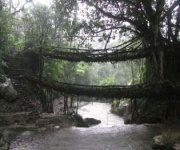
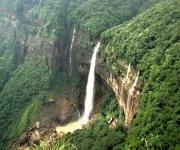
Begin with the precise trek rather than a generic “Meghalaya package.” Sohra, Arwah Cave, Nohkalikai and the living root bridges near Nongriat each demand different skills, timing and equipment. A guide who has walked one part of the region may not know the current condition of another. Define the route, expected walking time, group size and comfort level before comparing people, prices or itineraries.
What a dependable guide should provide
A reliable guide should know the route recently, not simply know its name. Ask how often they lead that trail, in which seasons, and what alternatives they use after heavy rain. For caves, ask about water depth, helmets, torches and swimming ability. For Nongriat, the descent is physically demanding and the return can take several hours, so experience with wet, uneven root-bridge paths is more valuable than a general claim of being a “local expert.”
Look for sound safety systems rather than expensive branding. A sensible plan includes a first-aid kit, a charged phone and portable charger, an emergency contact, a weather check and a clear turnaround time. The guide should know the closest clinic or hospital and explain what happens if a walker cannot continue. On remote sections, ask whether satellite communication is available and whether the group carries a local helper who knows the terrain.
A sound briefing should also cover culture, food and photography. Khasi and English are widely used in Meghalaya, and Garo is spoken in parts of the state, but a guide who speaks the local language can navigate village protocols and explain why certain paths are private or closed. Ask whether the proposed activity affects residents or uses community guides. Comparing wider compare tour packages can help identify standard inclusions, but it cannot replace a conversation with the person who will lead your trek.
Checks to complete before paying
Begin by verifying the guide’s identity, local association or operator, and experience on your exact route. Training in first aid or wilderness response is useful, while recognised outdoor qualifications can be a bonus; neither replaces recent route knowledge. Ask for a reference from a recent traveller and read reviews that mention punctuality, safety decisions, communication and group handling, not only scenery and hospitality.
Use these practical checks before committing to a deposit:
- Request a day-by-day itinerary naming the lead guide, backup guide, transport, accommodation, meals and trail time.
- Confirm the total price in writing, including permits, entry fees, parking, tips, equipment hire and any charge for a delayed return.
- Ask about maximum group size and whether the quoted guide stays with the group throughout.
- Check that first-aid equipment, emergency communication and wet-weather gear are carried on every departure.
- Obtain details of cancellations, refunds, weather delays and extra-night charges in the booking terms.
- Confirm visa and local permit responsibilities, carrying a copy of your passport approval and relevant permissions.
A video call can reveal a great deal. You should be able to hear clearly, see the guide in daylight, discuss your fitness honestly and receive specific answers without pressure. Reviews should be recent and spread across different travel platforms; a wall of identical short comments may not indicate genuine history. Personal references from past clients are particularly useful when they can describe an actual delay, injury or change of plan.
Keep the agreement between you and the actual service provider. Paying a stranger’s personal account creates avoidable problems if the guide changes or the trip is cancelled. Use a traceable booking channel, pay by a documented method, and ensure the receipt identifies the operator. A modest deposit is normal, while an insistence on cash, secrecy or immediate transfer of the full amount is a reason to pause.
Planning the journey for Australian travellers
Australian travellers from Sydney, Melbourne or Brisbane generally connect through an Indian gateway before reaching Guwahati, with Delhi or Mumbai the most common hubs. From Guwahati airport, the road to Sohra covers roughly 100 kilometres and can take four to five hours depending on traffic and monsoon rain. Some itineraries include Shillong, but adding a night there can make the final drive more comfortable rather than turning the trek into a rushed coach journey.
The Australian booking market often combines international flights, an online platform or a travel agency with services supplied by an Indian ground operator. That arrangement can provide useful after-hours support, yet the agent may never meet the guide. Ask who contracts the local team, which costs are locked in Australian dollars, whether GST or taxes are included and what assistance is available if the ground operator cannot deliver. Australian travellers also need to account for school-holiday peaks in July and from late December into January, when Guwahati flights and Sohra accommodation fill early.
Timing affects both safety and the chance of a quiet trail. Meghalaya is usually wettest from May into September, when landslips, swollen streams and slippery steps can close routes. Winter brings clearer views but cold mornings, fog and short daylight. If you want a resort as a base, compare valley-view resorts, then confirm how far the trailhead is, whether the property can store wet gear and whether transport is included. Weekday starts often produce fewer walkers at major viewpoints.
Comparing guide and package options carefully
The lowest quotation may exclude the items that make the trip workable. Compare the route, group limit, guide-to-walker ratio, vehicle, permits, meals, equipment and emergency cover line by line. A higher price can be justified by a genuine backup guide and reliable transport; it is not automatically better. Equally, a low-cost local guide may provide excellent route knowledge but no commercial protection, so the financial and safety differences need to be understood before booking.
Independent travellers should inspect recent photographs, request a live video walk-through and build an emergency plan that does not depend entirely on the operator. Travel insurance should cover the activities and altitude named in the policy, trekking up to the planned elevation, medical evacuation and the full value of gear. Undeclared activity can invalidate cover, particularly for cave wading or a long descent. Keep the policy number offline, along with the guide’s number and local emergency contacts.
Weather flexibility is another sign of quality. A guide should be willing to shorten a route, replace a hazardous cave visit with a safer viewpoint or wait out intense rain, and should explain costs before changing the plan. This is especially important if the operator is also selling a holiday package: commercial pressure should never decide whether conditions are acceptable.
| Choice of guide or operator | Best suited to | Main strength | Main caution | Essential confirmation |
|---|---|---|---|---|
| Independent local guide | Flexible, experienced walkers | Direct route advice and lower overheads | Backup systems may be limited | Identity, recent route experience, equipment and emergency plan |
| Experienced local operator | Visitors wanting full logistics | Transport, permits and coordinated support | Quality varies between assigned guides | Named guide, actual inclusions, subcontracting and cancellation terms |
| Australian travel agency | Travellers wanting one point of contact | Familiar contracting and Australian-dollar quotes | The agency may not vet the ground guide personally | Who employs the guide and who handles problems after arrival |
| Small-group trekking specialist | Hikers prioritising safety and pacing | Small groups, stronger briefing and equipment | Higher cost and fixed departures | Maximum size, guide ratio, actual route and weather policy |
| Resort-recommended guide | Guests wanting simple convenience | Easy booking from the property | Depth of knowledge and availability vary | Price, hours, duties, cancellation and independent reviews |
Securing the trip and preparing for the trail
Ask for a written booking summary that identifies the lead guide, exact route, dates, accommodation, vehicle, permits, meals, insurance requirements and payment schedule. It should also state when the guide will meet you, what happens if the driver is late, and how weather-related changes are handled. For a multi-day Meghalaya trip, confirm whether rest days, meal stops and alternative activities are genuinely included rather than listed vaguely as “flexible options.”
Prepare as if communications may fail. Carry a charged phone, power bank, offline map, small torch, water, basic first-aid supplies and waterproof layers. Add modest cash in rupees because guides, village shops and roadside stalls may not accept cards, even when hotels do. Wear footwear with grip, pack dry clothing for cool caves and carry medication for heat, rain or minor injuries. Australian travellers commonly use “no worries” or “all good” to soften concern, but your guide should replace those reassurances with measurable details: distance, gradient, water depth, cutoff time and backup route.
Send your final itinerary to a family member or travel companion, and note that Nohkalikai has a long staircase while Arwah can involve wading or swimming. Most Australian passport holders need an Indian visa, and eligibility for an electronic visa can change with purpose and nationality. Confirm the current process through official channels, print the approval and carry proof of any Meghalaya or community-area permissions where applicable. For routes into sensitive or restricted areas, let the operator verify access before payment rather than assuming a standard tourist entry covers every village.
Contact India Beacons Sojourn through the booking details published on Cherrapunjee.net, providing your dates, group size, fitness level and preferred route. A precise enquiry allows the team to match you with an experienced local guide, clarify inclusions and build a safe itinerary around Sohra’s waterfalls, caves, forests and living root bridges without losing sight of the practical details that make the journey work.