





How to Stay Comfortable in Cherrapunjee’s Altitude and Humidity
Cherrapunjee, also known as Sohra or Cherrapunji, stands on the dramatic Meghalaya plateau at roughly 1,400–1,500 metres above sea level. This elevation is moderate rather than extreme, so most visitors do not experience serious altitude sickness. Still, the thinner, cooler air can feel different if you arrive from a hot lowland city, especially when combined with long walks, steep steps, and full-day sightseeing.
Humidity is often the bigger influence on comfort. Sohra is famous for intense monsoon rainfall, mist-covered hills, damp paths, and quickly changing weather. Moist air can make mild temperatures feel heavy, while rain, wind, and wet clothing may leave you chilled later in the day.
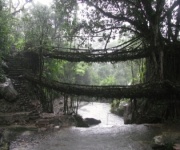
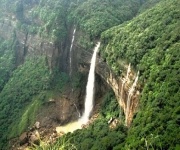
A little preparation helps you enjoy waterfalls, caves, viewpoints, parks, and living root bridges without tiring too quickly. The key is to pace yourself, drink regularly, protect your feet and skin, and pack clothing that works for both rain and cool air.
Understand The Local Climate
Cherrapunjee’s weather can shift several times within a few hours. A bright morning may give way to cloud, drizzle, thick fog, or a strong shower by afternoon. During the monsoon, rainfall is frequent and paths can remain wet for days. In the drier months, mornings and evenings are often more comfortable, but shaded areas may still feel cool and damp.
Humidity affects how your body regulates temperature. In moist air, sweat evaporates slowly, so you may feel overheated during a climb even when the thermometer shows a mild reading. At the same time, wet clothes lose warmth quickly when wind reaches exposed viewpoints or you stop moving.
Plan sightseeing around conditions rather than trying to follow a rigid schedule. Early starts often provide clearer views and cooler walking temperatures. Keep a flexible afternoon plan for caves, museums, cafés, or resort rest time in case heavy rain makes a trail uncomfortable.
Adjust Gradually To The Elevation
The elevation around Sohra is unlikely to cause the severe altitude problems associated with high mountain destinations. However, visitors may notice mild breathlessness, a faster heartbeat, headache, fatigue, or light-headedness during the first day. These sensations are more likely after a long journey, poor sleep, dehydration, or sudden exertion.
Spend your first few hours at an easy pace. Walk slowly between viewpoints, take breaks before you feel exhausted, and avoid scheduling several demanding trails on your arrival day. A relaxed visit to a nearby attraction can help your body settle before you attempt steep stairs or a long route to a root bridge.
Do not treat a headache or unusual weakness as something to push through. Sit in a shaded or sheltered place, drink water, eat a light snack, and rest. If symptoms become intense, continue after resting, or include vomiting, confusion, fainting, chest pain, or severe breathing difficulty, seek medical help promptly and avoid further climbing.
Alcohol can worsen dehydration and disturb sleep, which may make adjustment harder. Large, heavy meals immediately before a climb can also cause discomfort. Smaller meals with carbohydrates, protein, and fruit are generally easier to manage during active days.
Balance Fluids, Food, And Clothing
Regular hydration matters even when the weather feels cool. Humidity can conceal fluid loss because sweat does not always evaporate visibly. Take small sips throughout the day instead of waiting until you feel thirsty. Carry a reusable bottle, and refill it only from a safe, treated source.
For long walks or repeated sweating, an oral rehydration solution or electrolyte drink can be useful. Avoid relying exclusively on very sugary beverages, which may leave you feeling sluggish. Tea is easy to find in Meghalaya, but caffeinated drinks should complement rather than replace water.
Dress in light, breathable layers that can be added or removed. A quick-drying base layer, comfortable trousers, a warm mid-layer, and a waterproof outer shell are more practical than one thick garment. Cotton may feel pleasant at first but stays wet for a long time, so synthetic or moisture-wicking fabrics are preferable for trails.
Keep spare socks and a dry shirt in a waterproof bag. Wet feet are more vulnerable to blisters, fungal irritation, and loss of warmth. A compact umbrella can help in town, while a rain jacket leaves both hands free on uneven paths.
| Situation | What you may notice | A practical response |
|---|---|---|
| First day at the plateau elevation | Mild headache, tiredness, faster breathing on stairs | Slow down, rest, hydrate, and choose an easy itinerary |
| Warm, humid afternoon | Heavy sweating, low energy, sticky clothing | Take shaded breaks, drink regularly, and wear breathable layers |
| Sudden rain or mist | Wet shoes, reduced visibility, chills after stopping | Use waterproof layers, protect electronics, and shorten exposed walks |
| Steep trail or root bridge route | Muscle fatigue, breathlessness, slippery footing | Start early, use proper footwear, and pause before exhaustion |
| Cool evening after rainfall | Damp clothing and a rapid drop in comfort | Change into dry layers and keep a warm jacket accessible |
Make Walking And Sightseeing Safer
Many Cherrapunjee attractions involve stairs, narrow paths, slopes, or slippery rocks. Waterfalls and living root bridges can demand more energy than their distance suggests. Count the return journey as part of the effort, since climbing back after a descent may be tiring.
Wear shoes with secure grip, ankle support, and drainage. Smooth casual soles are risky on wet stone, particularly near waterfalls and cave entrances. Trekking poles can provide extra stability for visitors who are less confident on steep or muddy paths.
Rest in places where you are protected from falling rain and direct exposure. A short pause every 30–45 minutes is often more effective than waiting until your legs shake or your breathing becomes uncomfortable. Keep your phone, camera, medicines, and documents in waterproof pouches.
Weather can affect visibility as well as footing. If you are driving between attractions, slow down when mist settles over the road and use headlights appropriately. The guidance on driving through fog and mist is especially useful during sudden visibility changes, when familiar roads can become difficult to judge.
Protect Your Breathing And Skin
Moist air is not automatically harmful, but people with asthma, allergies, sinus problems, or other respiratory conditions may find changing weather uncomfortable. Carry prescribed inhalers and medicines in an accessible, dry pouch. Avoid waiting until a familiar symptom becomes severe before taking the steps recommended by your doctor.
Mould, damp rooms, smoke, and strong fragrances can aggravate sensitive airways. Choose well-ventilated accommodation and tell the property staff about relevant medical needs. If a room feels persistently musty, ask whether a drier option is available.
Rain and humidity can also affect skin. Chafing is more likely around the feet, thighs, waistband, and areas covered by wet clothing. Change out of damp garments as soon as practical, dry your feet carefully, and use a simple barrier cream on areas prone to rubbing.
Apply sunscreen even on cloudy days because ultraviolet exposure still reaches the ground through breaks in the cloud. Lip balm, insect repellent, and a small personal first-aid kit are useful additions. Keep medicines in original packaging and bring enough for the entire trip, since particular brands may not be readily available nearby.
Choose A Comfortable Daily Rhythm
A satisfying itinerary leaves room for weather delays and recovery. Rather than visiting every attraction in one demanding day, group nearby sights and allow extra time for meals, changing clothes, and drying equipment. A two- to seven-night holiday can be arranged at a gentler pace when the schedule includes rest periods between longer excursions.
Use your accommodation as a practical base. Ask about drying space, hot water, local weather, road conditions, and the current state of walking routes. Resorts and hotels can often advise whether a trail is suitable after heavy rain, but conditions may change quickly, so confirm again before leaving.
Eat before strenuous sightseeing, but choose food that feels familiar and easy to digest. Local Khasi dishes can be a rewarding part of the trip, while fruit, rice, soup, eggs, and snacks provide dependable energy for active days. Carry a small snack in case a viewpoint or trail has no nearby food stall.
At night, remove wet footwear from the sleeping area and hang damp layers where air can circulate. A dry room and uninterrupted sleep make the next day’s altitude adjustment and physical activity much easier.
Pack For Rain, Cool Air, And Recovery
A thoughtful packing list prevents small discomforts from becoming trip-ending problems. Waterproof protection should cover both your body and the items you carry. A backpack rain cover is useful, but valuables still benefit from individual dry bags because water can enter through zippers and seams.
Include lightweight clothing for warm, humid periods and insulating layers for misty evenings. Quick-drying trousers, extra socks, a compact towel, sturdy walking shoes, a rain jacket, and a warm fleece are more versatile than bulky luggage. Pack sandals only for indoor use or dry accommodation areas; they are not a substitute for trail shoes.
Personal comfort items can be just as important as outdoor equipment. Bring prescription medicines, electrolyte sachets, sunscreen, lip balm, insect repellent, tissues, hand sanitiser, and basic blister care. A refillable bottle reduces the need to buy disposable water bottles throughout the trip.
Use this practical checklist when preparing for Sohra:
- Drink water regularly and carry a safe refillable bottle.
- Wear breathable layers with a waterproof outer shell.
- Pack spare socks, dry clothes, and secure footwear.
- Schedule breaks before steep trails and long viewpoints visits.
- Keep medication, documents, and electronics protected from rain.
Know When To Rest Or Get Help
Normal exertion usually improves after a short rest, hydration, and a slower pace. A mild headache can also result from travel fatigue, missed meals, sun exposure, or dehydration rather than elevation alone. Pay attention to patterns: symptoms that steadily improve are less concerning than symptoms that intensify.
Move indoors or to a sheltered area if you become chilled, soaked, dizzy, or unusually weak. Change wet clothing, eat something light, and allow yourself time to recover. Do not continue a remote trail simply because it is included in the day’s plan.
Seek professional care for severe or worsening headache, repeated vomiting, fainting, confusion, blue lips, serious chest discomfort, or breathlessness that does not settle with rest. Visitors with heart, lung, or other chronic conditions should discuss travel and exertion plans with a medical professional before departure.
The most comfortable Cherrapunjee experience is one that respects the plateau’s weather and terrain. Build your days around steady hydration, layered clothing, sensible pacing, and flexible sightseeing. When you are ready to plan a stay that combines waterfalls, caves, viewpoints, and living root bridges, explore the vacation packages on Cherrapunjee.net and contact India Beacons Sojourn for booking assistance.