





How to pack for a rainy season trip to Cherrapunjee
Cherrapunjee, also known as Sohra or Cherrapunji, is famous for dramatic monsoon weather, mist-covered hills, roaring waterfalls and living root bridges shaped by generations of Khasi knowledge. Rain here is part of the landscape rather than an occasional inconvenience, so your luggage needs to support walking, damp conditions and changing temperatures.
Travellers arriving from Australia may be used to summer storms in Brisbane, winter rain in Melbourne or sudden showers in Sydney, but Meghalaya’s wet season has a different rhythm. Rain can continue for hours, paths may become slippery, and humidity can make clothing feel wet even between showers. A carefully chosen travel wardrobe will make sightseeing much more comfortable.
The best approach is to pack light, use quick-drying layers and protect the items that must stay dry. A seven-night holiday does not require seven complete outfits when you can wash small items, rotate clothing and choose fabrics that dry quickly. Your priority should be reliable footwear, waterproof storage and practical clothing rather than fashion.
Your packing list should also reflect the activities included in a Cherrapunjee tour. A day visiting Nohkalikai Falls is different from a trek to a living root bridge, while cave exploration requires different equipment again. Resorts and hotels can provide a comfortable base, but wet trails and rural roads still demand preparation.
Choose clothing for warmth, humidity and movement
Pack lightweight, breathable tops made from polyester, merino wool or another quick-drying fabric. Cotton is comfortable in dry weather, but it absorbs moisture and can remain clammy for a long time in Cherrapunjee’s rain. Two or three short-sleeved shirts, a long-sleeved shirt and a thin fleece or jumper should cover most conditions.
Temperatures can feel cool in the cloud and rain, particularly in the early morning and evening. A light insulating layer is more useful than a bulky winter jacket. Travellers from Hobart or Melbourne may already own a packable fleece, while visitors from Perth or Brisbane should avoid assuming that tropical Meghalaya will always feel hot.
Choose trousers that allow easy movement and dry quickly. One pair of lightweight hiking trousers and one spare pair are usually more practical than denim jeans, which become heavy when wet. A pair of modest, loose-fitting trousers or a long skirt is also useful when visiting villages, religious sites and local communities.
Bring a compact rain jacket with a hood, even if your tour operator supplies umbrellas. An umbrella can help around accommodation and during short walks, but it is awkward on exposed viewpoints or forest trails. A poncho is another useful option because it can cover both your body and a small daypack.
Protect shoes and feet on wet trails
Footwear is one of the most important decisions for a monsoon holiday in Meghalaya. Pack waterproof or highly water-resistant hiking shoes with firm grip, especially if you plan to visit living root bridges, caves, forest paths and waterfalls. Deep tread helps on wet stone, mud and uneven steps.
Avoid relying on brand-new boots for a long itinerary. Wear them around home first, whether you live in Adelaide, Canberra or regional New South Wales, and check that they do not rub. Blisters are much harder to manage when socks and shoes are repeatedly exposed to rain.
A second pair of lightweight sandals or quick-drying shoes gives your feet a break at the hotel or resort. Sandals with a secure heel strap can work for short, less demanding walks, but open footwear is unsuitable for slippery trails, caves or routes with sharp rocks. Pack several pairs of synthetic or merino socks and keep one dry pair reserved for evenings.
A small foot-care kit is worthwhile. Include blister pads, antiseptic wipes, a little antifungal powder and plastic bags for wet socks. Dry your footwear overnight with newspaper or absorbent paper, but do not place shoes directly against a strong heater, as excessive heat can damage glue and waterproof membranes.
Keep electronics, documents and luggage dry
Use a waterproof daypack cover and pack important belongings inside separate dry bags. A rain cover protects the outside of a backpack, but water can still enter through zips or soaked fabric. Roll-top pouches are particularly useful for your phone, wallet, passport, camera and spare clothing.
Keep digital and travel documents in a sealed pouch. Carry photocopies of your passport, visa, insurance details and accommodation information separately from the originals, and store encrypted digital copies online where possible. Indian entry requirements can vary by nationality and itinerary, so check current official information well before departure rather than relying on an old checklist.
A rugged phone case, portable power bank and short charging cable are practical additions. Heavy rain, long drives between attractions and occasional power interruptions can make a full battery valuable. A small dry bag also protects a camera when you stop at viewpoints above waterfalls or travel in an open-sided vehicle.
Australian visitors should pack a universal travel adaptor that supports Indian socket types, rather than assuming an Australian three-pin plug will fit. Add a headlamp or compact torch for power cuts, early departures and cave visits. Keep electronics in your cabin luggage during flights and use protective sleeves to prevent condensation damage when moving between cool, air-conditioned rooms and humid outdoor air.
Build a practical daypack for sightseeing
Your daily bag should contain a refillable water bottle, a rain layer, sunscreen, insect repellent, tissues, hand sanitiser and a small first-aid kit. Add snacks such as muesli bars or dried fruit if you have dietary requirements, though local shops and markets can provide simple food along many routes. A reusable bottle reduces the need for single-use plastic.
A microfiber towel is useful for wiping rain from your hands, face or camera. Pack a few resealable bags for wet socks, muddy belongings and rubbish until you find a suitable bin. A lightweight sitting mat can be handy at viewpoints or during breaks when benches are damp.
The sun can still be strong through breaks in the cloud, so bring sunglasses and broad-spectrum sunscreen. Australian travellers familiar with Cancer Council sunscreen habits should continue using them in Meghalaya, even on grey days. Insect repellent is especially valuable near forested areas, streams and accommodation surrounded by vegetation.
Cash in Indian rupees is worth carrying in small denominations because card facilities and reliable mobile connections may be limited outside larger centres. Australian dollars are not a substitute for local currency at village stalls. Keep money divided between your wallet, daypack and secure luggage, and avoid displaying large amounts when purchasing snacks or handmade products.
Prepare for waterfalls, caves and village walks
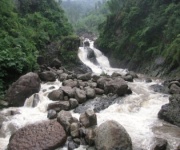
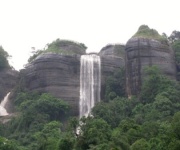
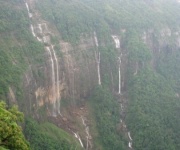
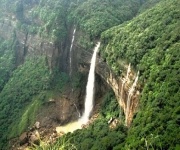
Waterfalls are among Cherrapunjee’s main attractions, but spray, mist and rain can make viewing platforms slippery. Wear shoes with grip, carry a waterproof layer and keep cameras secured with a wrist strap. Nohkalikai Falls and other scenic locations can be spectacular in the wet season, yet visibility may change quickly as cloud moves across the plateau.
Cave visits call for closed shoes, clothing that can tolerate mud and a reliable torch. Avoid wearing loose jewellery or carrying delicate bags that can snag on rock. A small towel, spare socks and a change of clothes in a dry bag can make the return journey much more pleasant.
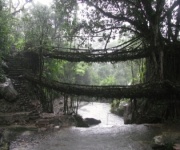
Living root bridge walks often involve steep steps, forest paths and humid conditions. Trekking poles can assist travellers who are less confident on uneven ground, although they may be inconvenient on crowded routes. Keep your hands free, pack modestly and leave room for a lightweight waterproof layer that can be put on quickly.
A respectful wardrobe matters when visiting Khasi villages and community spaces. Clothing that covers the shoulders and knees is a sensible choice, particularly away from tourist viewpoints. Pack a scarf or light shawl for flexible coverage, and ask before photographing residents, homes, ceremonies or workers. This is a small gesture that supports responsible travel.
Match your luggage to your itinerary
Soft-sided luggage or a durable backpack is easier to manage on winding roads, stairs and smaller accommodation entrances than a large hard-shell case. Choose bags with strong zips and handles, then place valuables in an internal compartment. A waterproof liner or large pack liner provides an extra barrier during transfers in heavy rain.
For a two- or three-night stay, one small suitcase or travel backpack is enough. Longer packages of up to seven nights still do not require much more if you pack layers, wash lightweight clothing and use laundry services where available. Keep one complete dry outfit in your hand luggage in case checked baggage is delayed or your main bag becomes wet.
Before leaving Australia, organise travel insurance that covers trekking, wet-weather activities and medical evacuation where appropriate. Read the exclusions carefully, since some policies treat cave exploration, motorbike travel or guided walks differently. Carry a list of regular medicines in their original packaging, along with prescriptions and basic health supplies.
The local travel team can help match your packing choices to the length of your tour, accommodation and planned sightseeing. It is sensible to confirm whether your package includes transfers, guided walks, meals or equipment, so you do not carry items that are already supplied.
A useful final check is to lay everything out before packing it. Remove duplicate shoes, heavy denim, unnecessary gadgets and clothing that cannot dry quickly. Keep rain protection, medication, documents, one change of clothes and essential toiletries accessible rather than buried beneath the rest of your luggage.
Cherrapunjee rewards travellers who are ready to embrace wet weather rather than fight it. With breathable layers, secure footwear, dry storage and a flexible daypack, rain becomes part of the experience: mist in the forest, water rushing over rock and green hills appearing between showers. Review your route, prepare your documents and book a Meghalaya escape with luggage designed for the landscape.