





How to plan a family holiday in Cherrapunjee with kids
Cherrapunjee, also known as Sohra or Cherrapunji, is a rewarding destination for families who enjoy waterfalls, forest walks, caves and cultural experiences. Located in Meghalaya in northeast India, it offers a very different pace from a beach holiday on the Gold Coast or a city break in Sydney. Children can see living root bridges, walk through misty hills and discover landscapes that feel almost otherworldly.
A successful family trip depends on realistic timing and a flexible itinerary. Roads are winding, rain can alter plans quickly, and many attractions involve steps, uneven ground or short hikes. With suitable accommodation, comfortable transport and activities matched to your children’s ages, Cherrapunjee can become an adventurous but manageable holiday for Australian families.
Choose the right season for your family
Cherrapunjee is famous for heavy rainfall, especially between June and September. The monsoon creates powerful waterfalls, vivid greenery and dramatic clouds, but intense rain may close walking routes or make cave and bridge visits slippery. Families travelling during this period should allow spare time each day rather than scheduling several distant attractions back to back.
October to April is generally easier for sightseeing. Waterfalls may be less forceful, yet the weather is often more comfortable for outdoor activities, photography and village visits. December and January can feel cool in the mornings and evenings, particularly for children accustomed to Brisbane or northern Australian temperatures. Light jumpers, long trousers and a waterproof layer are useful even when the daytime forecast looks mild.
Australian school holidays can make international airfares and family accommodation more expensive. Travellers from Melbourne, Adelaide or Perth should also account for a long journey, usually involving a major Indian gateway before continuing towards Guwahati and then travelling by road to Sohra. Booking flights, airport transfers and a suitable room well ahead is especially sensible for July, September and the December-January period.
Build a comfortable family itinerary
A two-night stay may suit families using Cherrapunjee as part of a broader Meghalaya journey, but three to five nights gives children more time to settle in. A longer holiday can include Shillong, Mawlynnong, Dawki or nearby villages without turning every day into a long drive. The best family itinerary alternates active outings with slower mornings and time at the resort.
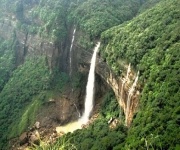
Begin with attractions that require less physical effort, such as viewpoints, gardens and accessible waterfalls. Once children are comfortable with the climate and roads, plan a living root bridge walk or cave visit. Nohkalikai Falls, Seven Sisters Falls, Mawsmai Cave and Arwah Cave are popular choices, although conditions and access can vary by season. Confirm current local advice before setting out, particularly after heavy rain.
A private vehicle with an experienced local driver is usually more practical than relying on public transport. Driving distances can look short on a map but take longer because of mountain roads, village traffic and weather. A driver familiar with the area can adjust the order of attractions, identify safe stopping points and help the family avoid arriving at a trail after daylight has faded.
Match attractions to children’s ages
Young children may enjoy viewpoints, short nature walks, waterfall overlooks and hands-on village experiences more than a demanding trek. Keep a small day bag with snacks, water, tissues, a change of clothes and a light rain jacket. Familiar food can make the first few days easier, particularly for children who are cautious about spicy meals or unfamiliar ingredients.
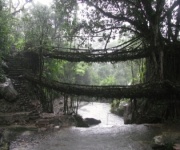
Older children and teenagers can take part in more active sightseeing. The trek to a living root bridge is memorable because the bridge is grown and strengthened from tree roots over many years. Some routes involve hundreds of steps, steep sections and humid conditions, so sturdy footwear and regular breaks matter. Adults should supervise closely near streams, cliff edges and wet rocks.
Cave exploration needs extra care. Mawsmai Cave is relatively well known and often included in family tours, while other caves may be darker, narrower or more physically demanding. Children who dislike confined spaces may prefer a waterfall or forest walk instead. Helmets are not always provided consistently, so ask the tour operator what safety equipment and local guidance are available before choosing a cave activity.
Families can use the Cherrapunjee travel website to compare multi-day packages, accommodation information and practical details about attractions. A planned package may be particularly helpful when travelling with younger children because transport, sightseeing order and hotel arrangements are coordinated in advance.
Select accommodation with family needs in mind
A comfortable base can make a significant difference after a wet day of sightseeing. Look for family rooms, heating or extra blankets, hot water, reliable meals and indoor space where children can relax. In smaller properties, facilities may be more basic than those expected in Australian hotels, so confirm room size, bed configuration and bathroom arrangements before paying a deposit.
Resorts near Sohra may offer attractive views and gardens, while hotels closer to the town centre can make access to shops and restaurants easier. Neither location is automatically best for every family. A quiet property may suit toddlers, whereas families with teenagers may appreciate easier access to local cafés or a more active resort environment.
Food planning deserves attention. Many Meghalaya meals include rice, vegetables, lentils, chicken or pork, and spice levels can vary. Ask staff to prepare mild portions for children and carry sealed snacks from a reputable shop. Australian families are accustomed to supermarkets, takeaway options and clear allergen labelling, but those systems may be less consistent in rural areas. Parents should explain allergies clearly and pack essential backup foods.
Prepare health, packing and travel documents
Pack lightweight rainwear, quick-drying clothing, non-slip walking shoes, socks, insect repellent, sunscreen and a small first-aid kit. Waterproof pouches protect phones, passports and medication during sudden showers. A reusable bottle is useful, but fill it only from a safe treated source. Children should drink regularly because walking in humid weather can cause fatigue before they recognise they are thirsty.
Travel insurance is important for an overseas family holiday. Australia’s Medicare system does not generally cover medical treatment in India, so a policy should include medical expenses, evacuation, cancellations and activities such as hiking or cave visits where relevant. Check exclusions carefully rather than assuming a standard policy covers every planned excursion.
Australian passport holders need the correct Indian visa before travel, and every family member, including infants, requires their own passport and travel authorisation. Passports should normally have sufficient validity and blank pages according to current Indian requirements. Parents travelling alone with children should carry consent documentation and copies of birth certificates or custody records where applicable, as airlines and immigration authorities may request supporting evidence.
Local driving conditions differ considerably from Australia. Traffic keeps to the left in India, yet roads may be crowded with motorbikes, pedestrians, livestock and large vehicles. Do not assume an Australian child restraint will be easy to install in a local taxi. Ask the tour company about available restraints before arrival, use seat belts whenever provided and keep children seated away from open doors or the edge of steep roadside drop-offs.
Make the holiday enjoyable and responsible
Children usually remember participation more vividly than a packed sightseeing list. Let them photograph unusual plants, help choose a fruit at a market, learn a few local words or keep a simple waterfall and wildlife journal. Khasi culture is an important part of Meghalaya, so explain that villages, homes, churches and sacred places deserve respectful behaviour and permission before photography.
Sustainable travel is especially relevant in a high-rainfall region where streams and forests support local communities. Carry rubbish back to the vehicle, avoid single-use plastic where possible and never scratch caves or climb on root bridges. Choose local guides and businesses when practical. Their knowledge improves safety while helping tourism income remain within the destination.
Australian families may be used to tap-and-go payments, late-opening supermarkets and predictable public facilities, but rural Meghalaya works differently. Carry some Indian rupees in small denominations, as card terminals and mobile coverage may fail outside larger towns. Shops may close earlier than expected, and a planned stop for nappies, snacks or medication is wiser than assuming the next village will have a well-stocked store.
Family planning checklist
A well-prepared holiday can remain flexible when rain, tiredness or road delays change the day. Use the following priorities when arranging flights, accommodation and sightseeing:
- Allow at least three nights in or around Sohra if Cherrapunjee is a central part of the trip.
- Reserve a private vehicle and confirm child seating, luggage space and a driver experienced with local mountain roads.
- Choose attractions according to age, fitness and weather rather than trying to visit every famous site.
- Pack waterproof layers, spare clothes, grippy footwear, medication, snacks and protective cases for electronics.
- Arrange Indian visas, travel insurance and copies of family documents before leaving Australia.
- Carry small Indian notes, offline maps and emergency contact details when travelling beyond town centres.
- Build an unplanned half-day into the itinerary for rest, weather changes or a spontaneous village visit.
Families should also share the full plan with their accommodation provider. Staff can advise whether a trail is currently muddy, whether a waterfall viewpoint is safe after rain and which local guide is suitable for children. This simple communication can prevent an ambitious day from becoming stressful.
With thoughtful planning, a family vacation in Cherrapunjee can combine nature, learning and genuine time together. Review package options, check current travel requirements and speak with a local booking team about dates, children’s ages, room needs and preferred activities. Reserve the trip early so the route, accommodation and family-friendly experiences are ready before departure.