





How to Plan a Family-Friendly 4-Day Cherrapunjee Tour
Cherrapunjee, also known as Cherrapunji or Sohra, is an excellent destination for a family holiday in Meghalaya. Dramatic waterfalls, misty hills, limestone caves, green valleys, living root bridges, and Khasi food create a varied experience for adults and children. A four-day itinerary is long enough to see the major highlights without turning every day into a tiring transfer.
The best family plans balance sightseeing with unhurried meals, rest at the resort, and realistic travel times. Roads between attractions can be winding, while several viewpoints and waterfalls involve steps or uneven paths. Choosing activities according to the age and energy of your children will make the trip safer and more enjoyable.
Families can reach Cherrapunjee from Guwahati or Shillong, usually by private vehicle or a pre-arranged tour. Since local drivers know the road conditions and attraction timings, a package from a specialist operator such as India Beacons Sojourn can simplify transport, accommodation, and day planning.
Choose the Right Season and Travel Pace
The monsoon, generally from June to September, brings Cherrapunjee’s most powerful waterfalls and intensely green scenery. It also brings heavy rain, slippery trails, limited visibility, and occasional road delays. Families travelling during this period should keep the itinerary flexible and avoid scheduling several remote attractions on the same day.
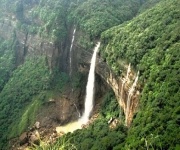
October to May usually offers clearer views and more manageable walking conditions. November through February can feel cool, particularly in the mornings and evenings, while March to May is pleasant for outdoor sightseeing. Waterfalls may be less forceful outside the rainy season, though Nohkalikai, Seven Sisters, and the surrounding landscapes remain impressive.
Plan one major activity and one or two nearby stops per day. A schedule that looks efficient on a map can become exhausting when it includes winding roads, queues, stairways, and time for photographs. Children will appreciate returning to the resort before dinner instead of rushing through a final attraction in fading light.
Arrange Transport, Accommodation, and Permissions
A private car with an experienced local driver is generally the most comfortable choice for families. It allows you to stop for snacks, adjust the timing around naps, and leave early for popular sites. Shared transport may cost less, but it provides less flexibility and can be difficult with small children, luggage, or elderly relatives.
Select accommodation in or near Sohra with clean rooms, reliable hot water, parking, and an on-site restaurant or nearby dining options. A family room or adjoining rooms are useful, especially when the trip includes wet clothing and outdoor equipment. Confirm whether the property has power backup and whether mobile connectivity is dependable before arrival.
Indian travellers usually need standard identification for hotel check-in. International visitors should carry passports, valid Indian visas, and any required registration or protected-area documentation. Requirements can change, so verify current rules with the relevant authorities or your tour provider before travelling. Keep digital and printed copies of bookings, identity documents, emergency contacts, and insurance details.
Build a Balanced Four-Day Itinerary
On the first day, travel from Guwahati or Shillong to Cherrapunjee and begin with stops that require little walking. From Shillong, the route can include Mawkdok Dympep Valley viewpoint, where children can enjoy wide mountain views, and a roadside tea break. After checking in, visit Nohkalikai Falls if visibility is good. The viewpoint is easy to access, although adults should supervise children carefully around railings and wet surfaces.
Day two can focus on the classic Sohra waterfall and cave circuit. Mawsmai Cave is close to the main tourist area and offers a short introduction to Meghalaya’s limestone formations, though narrow passages may feel uncomfortable for very young children. Dainthlen Falls and Seven Sisters Falls can be added according to weather and seasonal water flow. Leave time for lunch and a relaxed evening at the hotel.
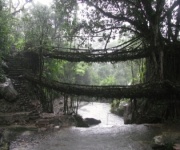
Day three should be chosen according to your family’s fitness level. The trek to Nongriat and the famous Double-Decker Living Root Bridge is memorable, but it includes a long descent and ascent of thousands of steps. It is better suited to older children and teenagers who are comfortable hiking. Families with toddlers or limited mobility can visit the shorter Riwai Living Root Bridge near Mawlynnong instead, perhaps combining it with the village and nearby viewpoints.
On day four, enjoy a slower morning with a final local visit, photographs, and breakfast before departing. Depending on the route, you could stop at the Eco Park, Ramakrishna Mission area, a scenic viewpoint, or a local market. If returning to Shillong, allow extra time for traffic and road conditions. Those travelling to Guwahati should leave early because the transfer can take much of the day.
The following plan shows how to match activities with different family needs:
| Day | Main plan | Walking level | Best suited to |
|---|---|---|---|
| Day 1 | Arrival, Mawkdok viewpoint, Nohkalikai Falls | Low | All age groups |
| Day 2 | Mawsmai Cave, Dainthlen Falls, Seven Sisters Falls | Low to moderate | Families with school-age children |
| Day 3 | Nongriat and Double-Decker Bridge | High | Active older children and teenagers |
| Day 3 alternative | Mawlynnong and Riwai Living Root Bridge | Low to moderate | Families with younger children |
| Day 4 | Eco Park, local visit, departure | Low | All age groups |
Prepare Children for Outdoor Conditions
Pack lightweight layers rather than relying on one heavy jacket. Weather in the Khasi Hills can change quickly, and a warm afternoon may become cool and damp after rain. Each child should have a waterproof jacket, quick-drying trousers, extra socks, and comfortable shoes with good grip. Sandals are useful at the hotel but are unsafe for cave visits and slippery trails.
A small daypack should include drinking water, snacks, tissues, hand sanitiser, sunscreen, insect repellent, a basic first-aid kit, and waterproof covers for phones. Children often become hungry between attractions, so fruit, biscuits, sandwiches, or locally purchased snacks can prevent unnecessary stops. Carry prescribed medicines and motion-sickness remedies if winding roads are likely to affect your family.
Avoid overpacking for the day. Heavy bags become inconvenient on steps and trails, while umbrellas can be difficult to manage in strong wind. A compact rain cover, reusable water bottle, and dry bag for electronics are more practical. Check the forecast each morning, but remember that conditions can vary between Shillong, Sohra, and individual valleys.
Make Food and Local Culture Part of the Holiday
Meghalaya’s Khasi cuisine gives families an opportunity to try food beyond standard hotel menus. Rice, seasonal vegetables, smoked or grilled preparations, local herbs, and mild broths are common. Restaurants may offer simple noodles, eggs, sandwiches, and familiar dishes for younger travellers, so parents can combine new flavours with dependable options.
Introduce regional treats in small portions and ask about ingredients, especially if anyone has allergies or dietary restrictions. The Khasi sweet guide can help families learn about lokpob and other local delicacies before ordering. Carrying a written note about allergies is useful when communicating in busy cafés or markets.
Respect local communities when visiting villages, root bridges, and religious or cultural sites. Dress comfortably but modestly, ask before photographing residents, and avoid touching plants or structures unnecessarily. Children can learn from the trip by observing how living root bridges are grown and maintained, rather than treating them as ordinary photo backdrops.
Keep the Main Attractions Safe and Enjoyable
Water is central to a Sohra holiday, but waterfalls and viewpoints require careful supervision. Stay behind barriers, keep children away from stream edges, and do not enter water unless the site clearly permits swimming. Rocks that appear dry can be slippery, particularly after rain or mist. A local guide is valuable on forest trails and during longer walks.
Caves deserve extra attention. Mawsmai is relatively accessible, but its passages may be dark, wet, and uneven. Children should wear closed shoes and remain with an adult. Avoid exploring unmarked caves without a trained guide, since mobile reception can be unreliable and underground conditions can change quickly.
The living root bridges reward patience and steady movement. Start early to avoid heat, crowds, and afternoon rain, and use the services of a local guide where available. For the Nongriat trek, carry enough water and snacks, schedule frequent breaks, and allow plenty of time for the return climb. Families should choose the Riwai alternative without treating it as a lesser experience; it offers a more relaxed way to see Meghalaya’s remarkable traditional bridge-making.
Create a Simple Family Booking Checklist
Before confirming a four-day Cherrapunjee holiday, check the following details with your hotel or tour operator:
- Confirm the arrival and departure point, total driving time, vehicle type, and whether child seats are available.
- Ask which meals are included and whether vegetarian, allergy-friendly, or child-friendly food can be arranged.
- Verify room arrangements, hot water, power backup, parking, cancellation terms, and check-in timing.
- Match every planned walk with your children’s ages, fitness levels, footwear, and comfort in rain.
- Keep an emergency contact list, travel insurance information, identification copies, and prescribed medicines accessible.
A package can be particularly helpful when it includes a local driver, accommodation, sightseeing, and support during weather-related changes. Families who want to compare pacing and inclusions can also review this five-day vacation guide, then shorten the route by removing a less suitable stop rather than cramming the full programme into four days.
A good plan leaves room for unplanned pleasures: a cloud-filled viewpoint, a conversation with a local host, or a longer stop beside a waterfall. Confirm the final itinerary a few days before departure, while keeping the daily schedule flexible enough to respond to rain and road conditions.
Reserve your family’s Cherrapunjee package with India Beacons Sojourn through Cherrapunjee.net, and organise the vehicle, resort, sightseeing, and practical travel details before you arrive. With thoughtful pacing and age-appropriate activities, four days in Sohra can become a comfortable family adventure filled with waterfalls, forests, Khasi culture, and lasting memories.